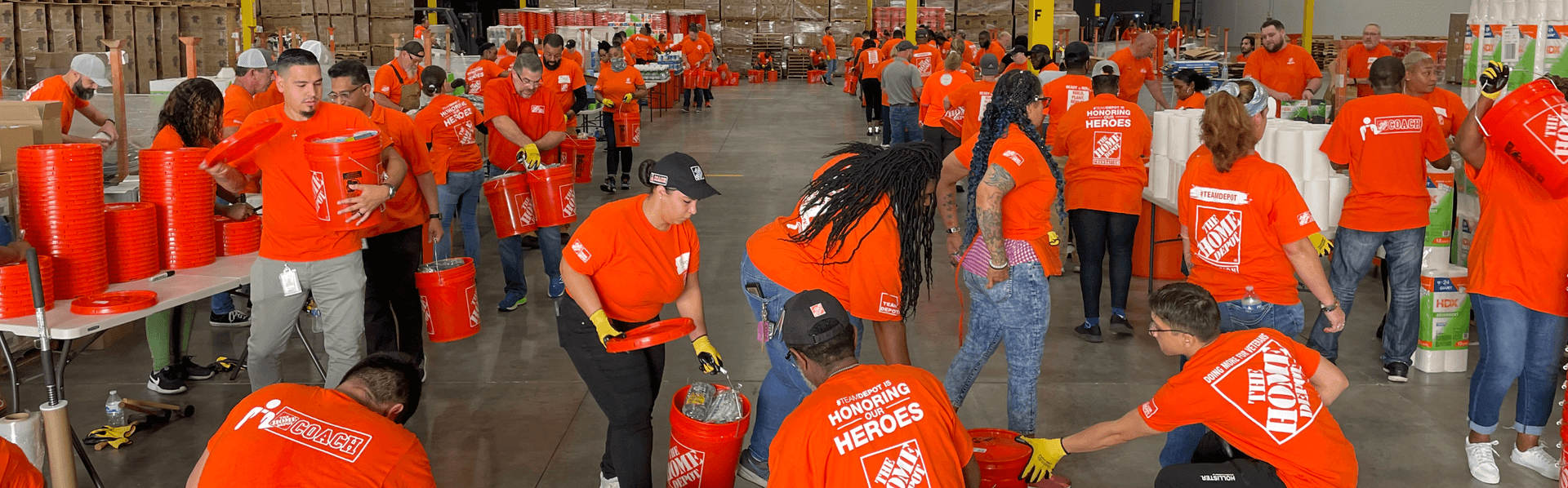
Home Depot braces for storm-season rush, safety, and recovery demand
Storm season can turn a Home Depot store into a rapid-response hub overnight. The winners are the teams that stage generators, tarps, plywood, and cleanup gear before the first rush.
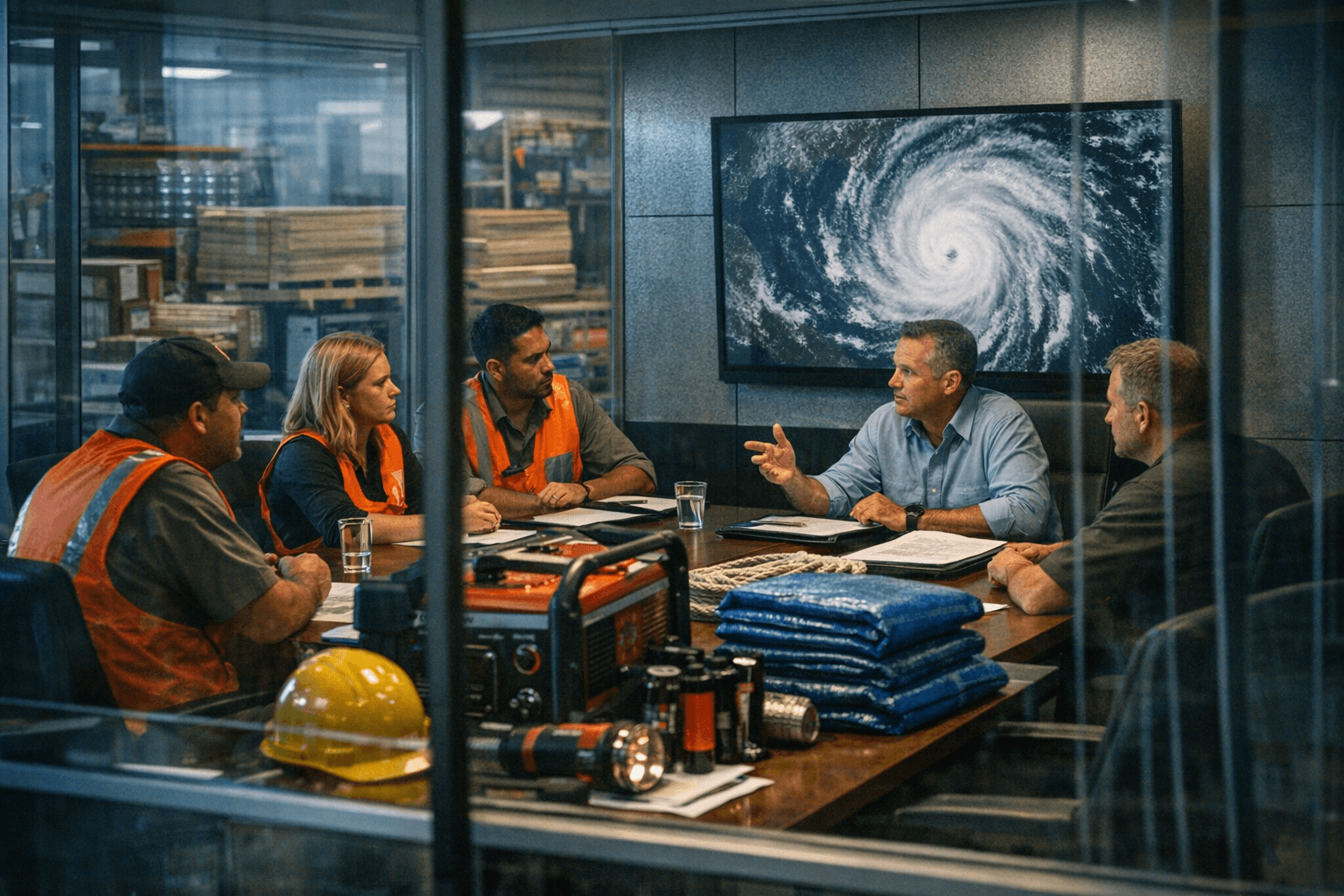
Storm season changes the store before the storm arrives
Severe-weather season is when a Home Depot store has to operate like a fast-moving emergency hub, not a normal retail floor. Customers often start shopping the forecast, not the damage, so the first wave usually shows up for batteries, flashlights, tarps, generators, wet-dry vacs, fuel cans, extension cords, and cleanup supplies. That early demand means the store needs more than inventory on hand. It needs associates who can move quickly, answer clearly, and keep the most urgent items easy to find.
The timing is part of the challenge. Storm traffic does not always follow a neat weekend pattern, and a rush can hit hard and unevenly as soon as weather alerts change. For department leads and managers, the job is to anticipate that spike before it lands, stage product early, and keep aisles from turning into a scramble zone. In storm season, the store that plans ahead can look calm right when the neighborhood is getting anxious.
What has to be in place before the rush
The most useful storm-season stores do not wait for the first customer to ask where the generators are. They make sure the fastest-moving emergency items are already visible, accessible, and replenished, with front-end associates and floor associates aligned on where to send people. That matters because storm shoppers are rarely browsing. They are usually looking for one or two specific items, and they want answers fast.
The pro desk and service desk also become critical touchpoints. Contractors and serious DIY customers often need a quick read on stock, pickup timing, or what will actually solve the problem at hand. When those desks are informed and the floor knows what is moving, the store can route traffic instead of letting every question become a delay.
After the storm, the questions get narrower
Once wind, hail, flooding, or heavy rain hits, the customer need changes fast. The conversation shifts from preparation to recovery, and the list of questions gets very specific: how do I dry out a room, how do I patch a roof, how do I protect a window, and how do I get power back safely? That is where product knowledge matters as much as inventory depth.
Associates who can explain the difference between a temporary fix and a permanent fix help customers avoid buying the wrong solution for damaged property. A roof patch, for example, is not the same as a full repair plan, and a window cover for immediate protection is not the same as a long-term replacement strategy. The right guidance saves time, money, and frustration, which is exactly what customers are trying to preserve after a storm.
The recovery aisle becomes a decision-making aisle
Storm recovery changes the way the sales floor works. Tarps and plywood stop being general-purpose products and become immediate priorities. Cleanup supplies take on new urgency. Wet-dry vacs, fuel cans, extension cords, and generators all move from routine seasonal items to problem-solving tools.
That is why product placement matters so much. If the store keeps the recovery basics easy to see, associates can get customers in and out faster, and the store can keep up with demand without turning the building into a bottleneck. The goal is not just to sell more. It is to make sure the right item is in the right hands before the customer heads back to a house that may already be taking on water, debris, or power loss.
Safety becomes part of the service model
Storm traffic brings its own hazards. Parking lots get crowded. Curbside pickup can back up. Heavy or awkward merchandise moves through the building more often, especially when customers are loading generators, plywood, tarps, and cleanup gear into vehicles under pressure. In those moments, simple task discipline matters more than ever.
That means team communication cannot be loose. Associates need to know where congestion is building, where loading help is needed, and how to move product without creating avoidable risks. It also means managers have to watch the floor differently than they do on a normal day, because the pressure points shift fast when a storm brings a burst of demand. Safety is not separate from the operation during severe-weather season. It is part of the operation.
The leadership lesson: stage early or fall behind
Storm season rewards the store that prepares before the first customer reaches the entrance. Staging product early is not just a merchandising move, it is a labor decision and a service decision. When the best-selling emergency items are already in place, associates can spend less time hunting and more time helping.
That preparation also depends on keeping the right people informed. Managers need the front end, floor teams, pro desk, and service desk working from the same playbook. If one area knows where the generators are and another does not, the store loses time exactly when customers are least patient. The same is true for recovery items: the faster associates can point a customer to the right aisle, the better the store functions under pressure.
Why the work feels different in storm season
For Home Depot employees, severe-weather season is one of the clearest reminders that the store can become a neighborhood resource in a very short time. A regular sales floor can suddenly become the place where people try to protect their homes, clean up after damage, and get power back on safely. That changes the pace of the work, but it also changes its meaning.
This is the kind of retail moment where skilled-trades knowledge and associate pride matter. Customers are not just shopping. They are trying to solve urgent problems, and they rely on employees who understand the difference between a quick patch and a real fix. When the weather turns, the store is not only selling supplies. It is helping a community recover one tarpaulin, one wet-dry vac, and one careful conversation at a time.
This article was produced by Prism’s automated news system from verified source data, official records, and press releases, then run through automated quality and moderation checks before publishing. The system is built and supervised by the people who set the standards it runs under. Read our full AI policy.
Did this article answer your question?