Home Depot careers site maps paths from stores to corporate roles
Home Depot’s site is more than a job board. It lays out store-to-corporate routes that can turn a first shift into distribution, Pro, or office work.

The first job is not the finish line
At a company with more than 2,300 stores and fiscal 2025 sales of $164.7 billion, Home Depot is using its careers site to make one thing plain: a store job can be the start of a much longer path. The site breaks work into stores, distribution centers, outside sales, drivers, home services, corporate, technology, e-commerce and marketing, which is a useful map for anyone trying to move without leaving the company ecosystem.
That matters because the company says stores remain the core of the business, and it is investing in associates through training, product knowledge, process simplification and technology. In other words, the message is not just “apply here.” It is “learn here, grow here, and then move to the next lane.”
What the store floor is really teaching you
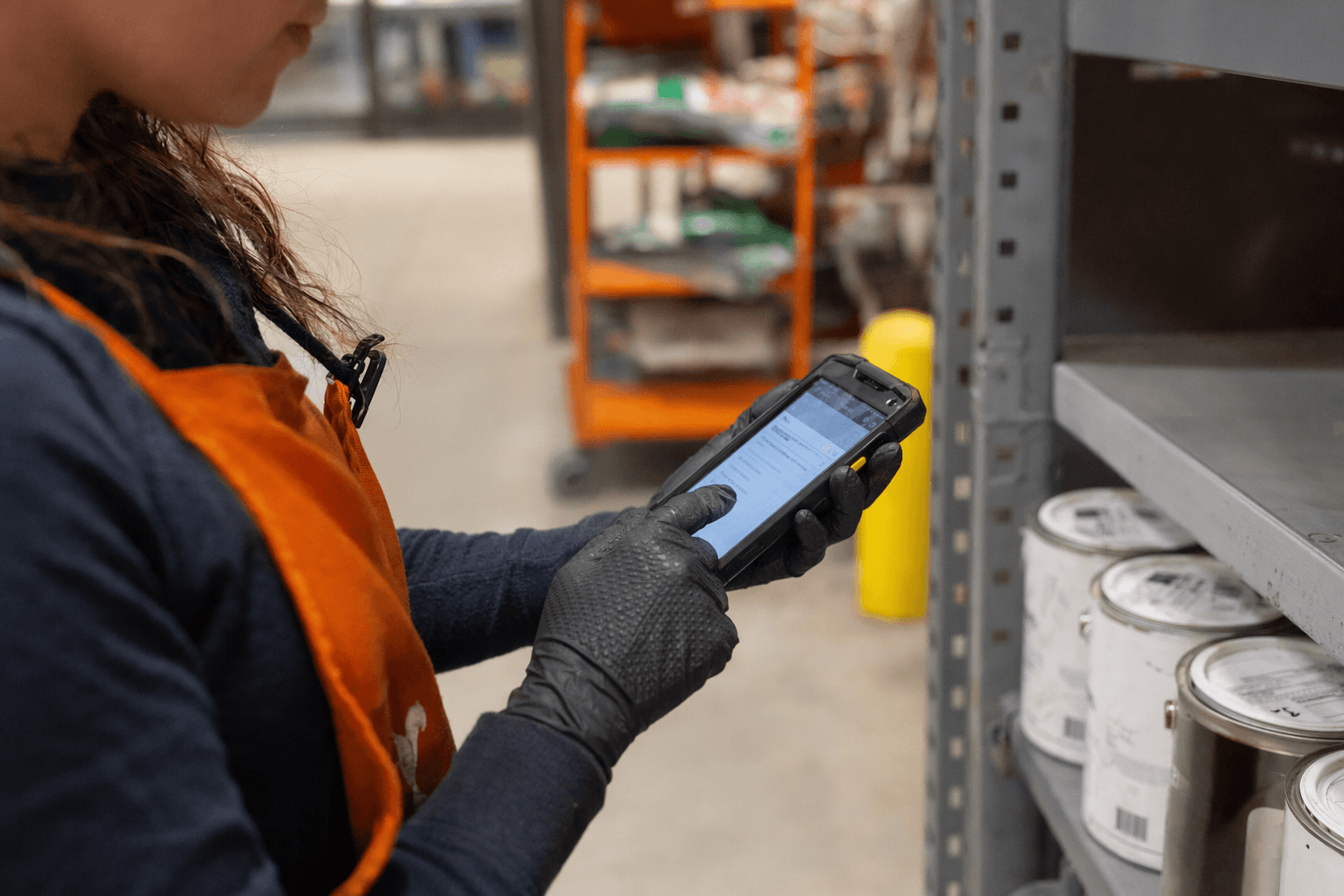
The retail side of the careers site is more specific than most job boards. Customer service and sales associates help customers find the product and tools they need. Cashiers maintain a safe and organized area. Freight associates keep the store stocked, and merchandising associates focus on safety, accuracy and efficiency.
Those are not just task lists. They are the building blocks for the next move. If you spend your day keeping aisles full and product moving, you are already learning the kind of inventory discipline that shows up in distribution. If you spend your shift solving customer problems at the register or on the floor, you are building the product knowledge and judgment that can lead into Pro support or specialty sales.
Where the next step can lead
Home Depot’s “Navigate Your Growth” page shows progression across hourly store and distribution roles, but also into corporate and support functions. That includes assistant store manager, store manager, delivery driver, Pro team positions, supply chain operations, marketing, communications and technology. The useful part is not the jargon. It is the fact that the company is drawing lines between lanes that many retail workers are told are separate.
Some of those lanes are easier to picture than others. Assistant store managers are described as the people implementing store standards, monitoring department reporting and coaching associates. That is a different job from running a register or stocking freight, but the skills overlap: knowing what good looks like, keeping the floor tight, and giving feedback in real time.
The Pro side is another clear stepping-stone. A Pro Customer Service/Sales posting says those teammates support contractors, property owners and commercial clients, handling order fulfillment, safe loading, expert product recommendations, delivery solutions and monthly sales goals. For a sales associate who already knows how contractors buy, that can be a realistic next move, not a leap into a completely new world.
How to read the careers site without getting lost
The trick is to stop reading titles like a newcomer and start reading them like an insider. Home Depot’s site is telling you what kind of work you already know how to do, then showing where that work can travel next.
- If you are in freight, look at distribution center jobs, area supervisor roles and supply chain operations.
- If you are on the sales floor, look at Pro team roles, outside sales and specialty support.
- If you are interested in trucks and delivery, look at driver and driver helper associate openings.
- If you have leadership experience, compare assistant store manager and store manager postings against your current responsibilities.
- If you want an office path, scan corporate, technology, e-commerce, marketing and communications for skills you already use.
A practical way to use it:
Home Depot’s driver pages make that ladder even more concrete. Drivers and driver helper associates deliver products from warehouses and stores directly to customers, while area supervisors are manager-level associates responsible for helping inventory flow through distribution centers. That is the kind of language workers should notice, because it shows the company is not hiding the operational reality behind vague phrases.
Why this matters to the business, not just the applicant
Home Depot is big enough that internal mobility is not a nice extra, it is a staffing strategy. The company said it completed 37 new stores over the prior three years and planned to build about 80 new stores over a five-year period, then keep adding 15 to 20 stores a year after that. Growth at that pace means more frontline openings, more shift leadership, more supply-chain demand and more chances for associates to move before they have to leave.
The company’s 2025 Living Our Values report makes the same point in corporate language, but the message is clear: Home Depot says it remains committed to the development, well-being and long-term success of associates. The report also organizes that commitment around learning and development, veteran support, benefits and compensation, and trades training through Path to Pro.
The trades pipeline is part of the story too
Path to Pro shows that Home Depot is thinking beyond the store. In 2020, the company said the program was expanding to address about 300,000 skilled labor openings, and it cited a U.S. Chamber of Commerce Construction Index finding that 83% of contractors had trouble finding skilled workers. That is a striking number, and it explains why the company keeps leaning into trades training instead of treating it like a side project.
The momentum continued. In 2021, the Home Depot Foundation granted $5 million to expand Path to Pro to more than 250 schools in over 30 states. In 2023, it added more than $6 million in skilled trades training and new scholarship and entrepreneurship partnerships to address nearly 400,000 construction job openings. By March 2026, the foundation was funding Shop Class grants as the skilled trades industry faced what it called a “massive retirement cliff” over the next decade.
For associates, that matters because it reveals how Home Depot thinks about talent. The company is not only building a ladder from cashier to store manager or from freight to distribution. It is also helping create the broader labor pool that feeds the contractors, builders and service pros who shop the stores every day.
A career ecosystem, not a single job
The military careers page says Home Depot has roles in stores, distribution centers and corporate offices, and it offers free Mission Transition courses to help veterans translate service experience into civilian terms. That same page includes a line that captures the company’s pitch to workers who want to keep moving: “the sky is the limit.”
That is the real takeaway from the careers site. A new hire may begin as a cashier, freight associate or sales associate, but the company is explicitly laying out routes into Pro support, delivery, supply chain, store leadership and corporate functions like marketing and technology. For anyone trying to turn a first retail job into a durable career, the path is not hidden. It is already on the map.
Know something we missed? Have a correction or additional information?
Submit a Tip