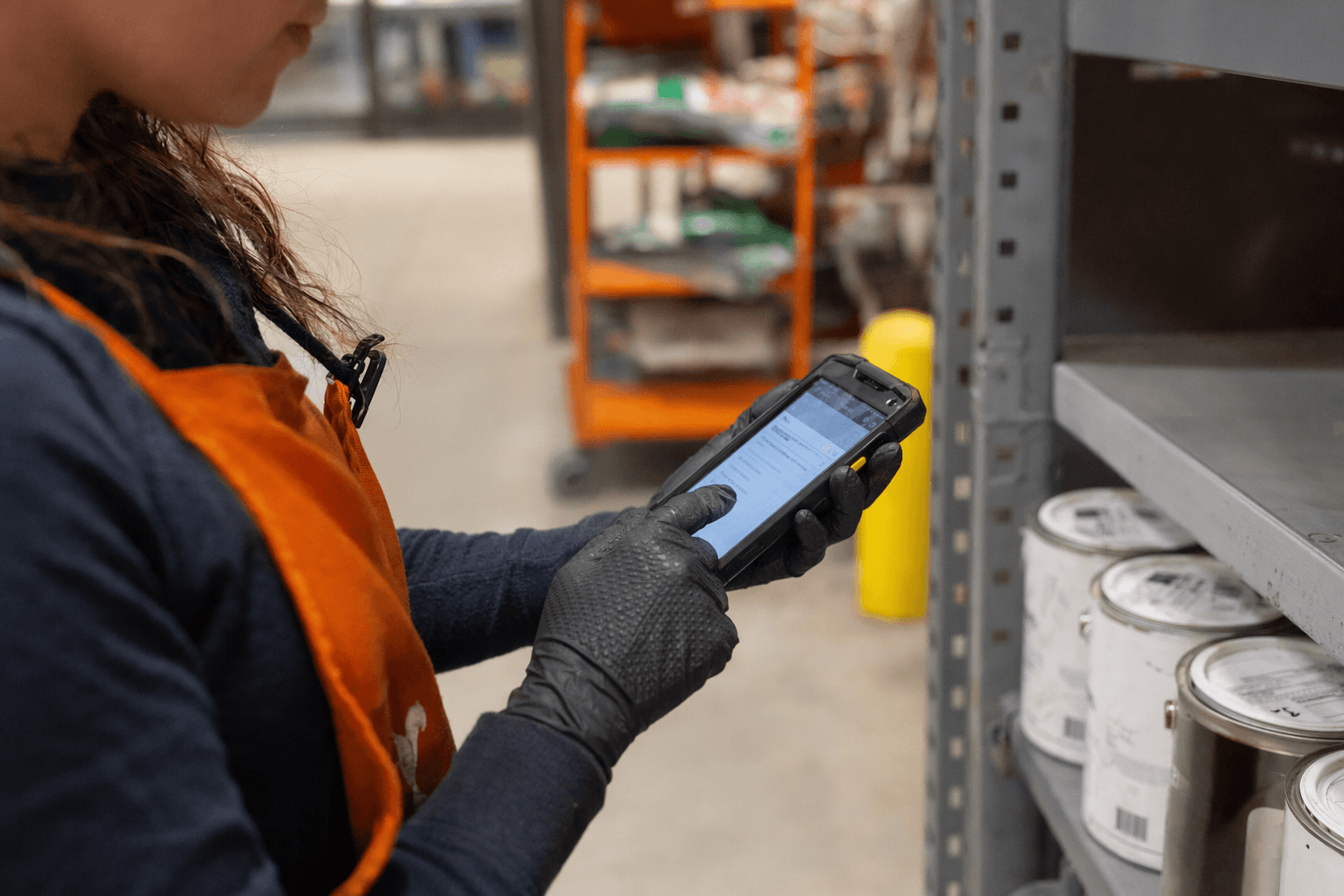
Home Depot links values, associate investment, and community strategy
Home Depot is turning values into operating expectations, with training, safety, pay, and community work tied directly to store performance.
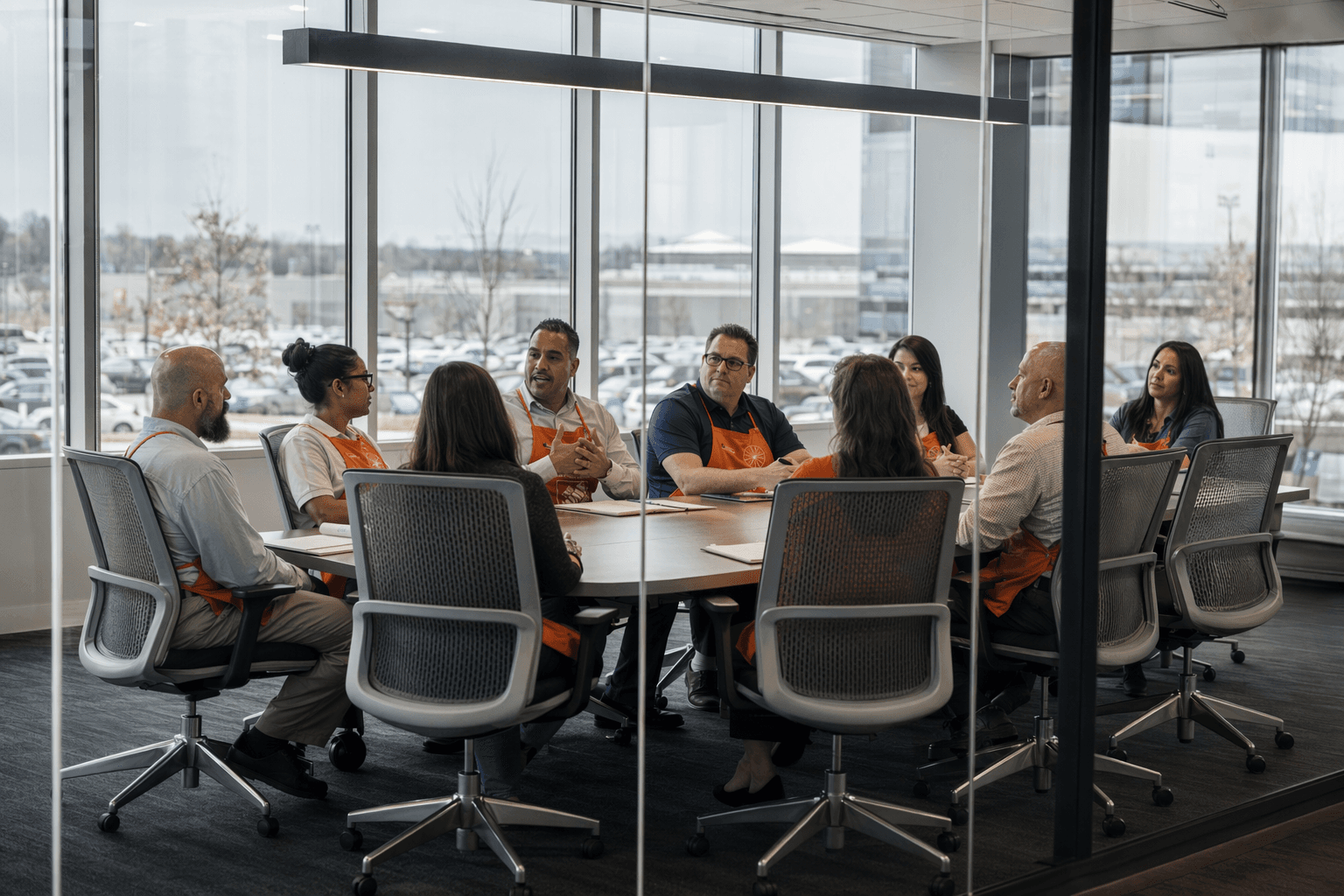
Home Depot’s values now function like an operating manual
Home Depot says it has already hit a big workforce milestone four years early: 10 million hours of frontline associate training and 2.5 million hours of leadership training. That is the clearest sign that the company’s values are not just wall art for the break room, but part of how it wants stores to run.
For associates, that matters because the company is linking culture to day-to-day execution. The message in the Living Our Values materials is simple enough: if Home Depot says it is serious about safety, learning, benefits, and community, then those ideas should show up in how managers schedule, coach, recognize, and develop people on the store floor.
What the people pillar should mean in the store
Home Depot says its work is guided by three pillars: Focus on Our People, Operate Sustainably, and Strengthen Our Communities. The people pillar includes associate experience, safety, learning and development, and benefits and compensation. That is a broad list, but it is also a practical one. It tells department leads and store managers that the company wants the associate experience to be measured in concrete ways, not just through culture language.
The company also says its success has been driven for more than 45 years by eight core values, including Respect for All People and Taking Care of Our People. That is not a new slogan layered on top of the business. In the company’s own framing, the values are part of why it believes it can keep customers coming back and keep associates engaged. In a business as large as Home Depot, where stores remain the core of the model, those ideas translate into whether the right people are on the floor, whether they know the product, and whether they can solve problems quickly for pros and DIY customers.
Home Depot says it has more than 2,300 retail stores in the United States, Canada, and Mexico, and in fiscal 2025 it reported net sales of $164.7 billion and earnings of $14.2 billion. At that scale, even small changes in training or associate retention can ripple across the whole business. The company’s annual report makes that link explicit by saying it is investing in associates and store experience to improve customer service through better training and product knowledge, simpler tasks, and more technology.
What associates should expect from training and development
If you work in a store, the training numbers are the clearest clue about what management will keep emphasizing. Home Depot says it reached its goal of 10 million hours of training for frontline associates and 2.5 million hours for leaders four years early. That suggests the company sees learning as a continuing requirement, not a one-time onboarding box to check.
The practical takeaway is that stores should continue to push product knowledge, safety habits, and coaching for leads and supervisors. For associates, that can mean more formal development paths, more expectations around understanding specialty aisles, and more pressure to turn training into faster service on the floor. For managers, it means development cannot sit apart from daily operations. It needs to be visible in how teams are staffed, how new hires are brought up to speed, and how experienced associates are prepared for more responsibility.
The company’s board-level Leadership Development and Compensation Committee also shows how seriously these issues are treated. That committee oversees associate compensation and benefits, engagement, development and training, and diversity, inclusion, and pay equity. In plain terms, the people function is not just a store-level concern. It sits inside governance, where the company says it sets policies around human resources and employment matters.
Pay, benefits, and the signals managers should watch
Home Depot’s values materials do not read like a pay memo, but they do signal that compensation and benefits are part of the worker experience the company wants to protect. When a company places pay, safety, and development under the same people pillar, it is signaling that retention and performance are supposed to reinforce each other.
That should shape what associates watch for now. A store manager who treats training as optional or compensation as separate from culture is missing the point of the company’s own framework. The values language suggests that good leadership should be visible in clean scheduling, clear expectations, fair coaching, and a workplace that does not force associates to choose between speed and safety.
There is also a real operational reason for that emphasis. Home Depot says knowledgeable associates and on-shelf availability are critical to the business. That means a well-trained associate is not just a nice-to-have. It is part of the chain that gets a contractor the right lumber, helps a homeowner finish a weekend repair, and keeps the store moving during seasonal rushes.

The Homer Fund is still one of the most concrete forms of support
The most tangible proof of the company’s “taking care of our people” claim is The Homer Fund. Home Depot says the fund has awarded nearly $285 million to approximately 200,000 associates in need since it began. That kind of number matters because it turns a broad value into a real safety net.
For associates, the takeaway is not abstract philanthropy. It is that there is a company-backed support system that has been used at scale, and that it has lasted long enough to become part of Home Depot’s internal identity. In a retail job where an unexpected bill, medical issue, or family emergency can quickly destabilize a household, that support can be the difference between staying employed and falling out of the workforce.
Community strategy is also workforce strategy
Home Depot’s community work is not separate from the store business. The Home Depot Foundation says it has invested more than $650 million in veteran causes since 2011 and improved more than 70,000 veteran homes and facilities. Team Depot says it has worked with nearly 15,000 nonprofits since 2011 and averages five projects a day in local communities.
That matters inside stores because it explains why the company keeps linking local service to its broader identity. Associates are being asked to work for a retailer that sees community action as part of the brand, not a side project. The Foundation also focuses on disaster preparedness, short-term response, and long-term recovery, while Team Depot gives stores a route into local volunteering and nonprofit partnerships.
The company has also expanded its skilled trades emphasis. In 2024, Home Depot granted $1 million to Team Rubicon to help build a trades training program. In 2025, the Foundation followed with a $10 million investment in skilled trades training and education. For workers, that points to a business that wants to position itself not only as a seller of tools and materials, but as a participant in the labor pipeline that supplies the trades itself.
What to watch for on the floor now
The values report gives associates a useful way to judge whether the company’s promises are real.
- More training should mean better product knowledge, faster ramp-up for new hires, and clearer expectations for department leads.
- Safety should not be treated as a slogan if it sits alongside compensation and development in the people pillar.
- Community work, veteran support, and skilled trades investment should continue showing up in local store activity, not just in corporate messaging.
- Managers who connect coaching, recognition, and scheduling to the values framework are the ones most likely to make it operational.
Home Depot’s scale gives all of this weight. A retailer founded in 1978, with more than 2,300 stores and $164.7 billion in fiscal 2025 sales, is not just describing a culture. It is describing how it wants a vast workforce to operate. The real test is whether associates feel that same logic in the store, where training, safety, and customer service either hold together or fall apart in the rush of an ordinary shift.
Know something we missed? Have a correction or additional information?
Submit a Tip