Home Depot embeds hazardous materials handling into daily store operations
Hazmat handling at Home Depot is built into the floor work, from Garden Center to Receiving. The real tell: associates now have handheld guidance before cleanup, labeling, or disposal.
Hazmat is part of the workflow
A split fertilizer bag in Garden Center, a drum of used oil in Tool Rental, or a box of aerosol cans in Receiving is the kind of routine moment that can turn into a compliance decision fast. At The Home Depot, hazardous materials handling is not treated as a side policy for rare emergencies. It is folded into standard operating procedures, which means the pause point is part of the job, not an exception to it.
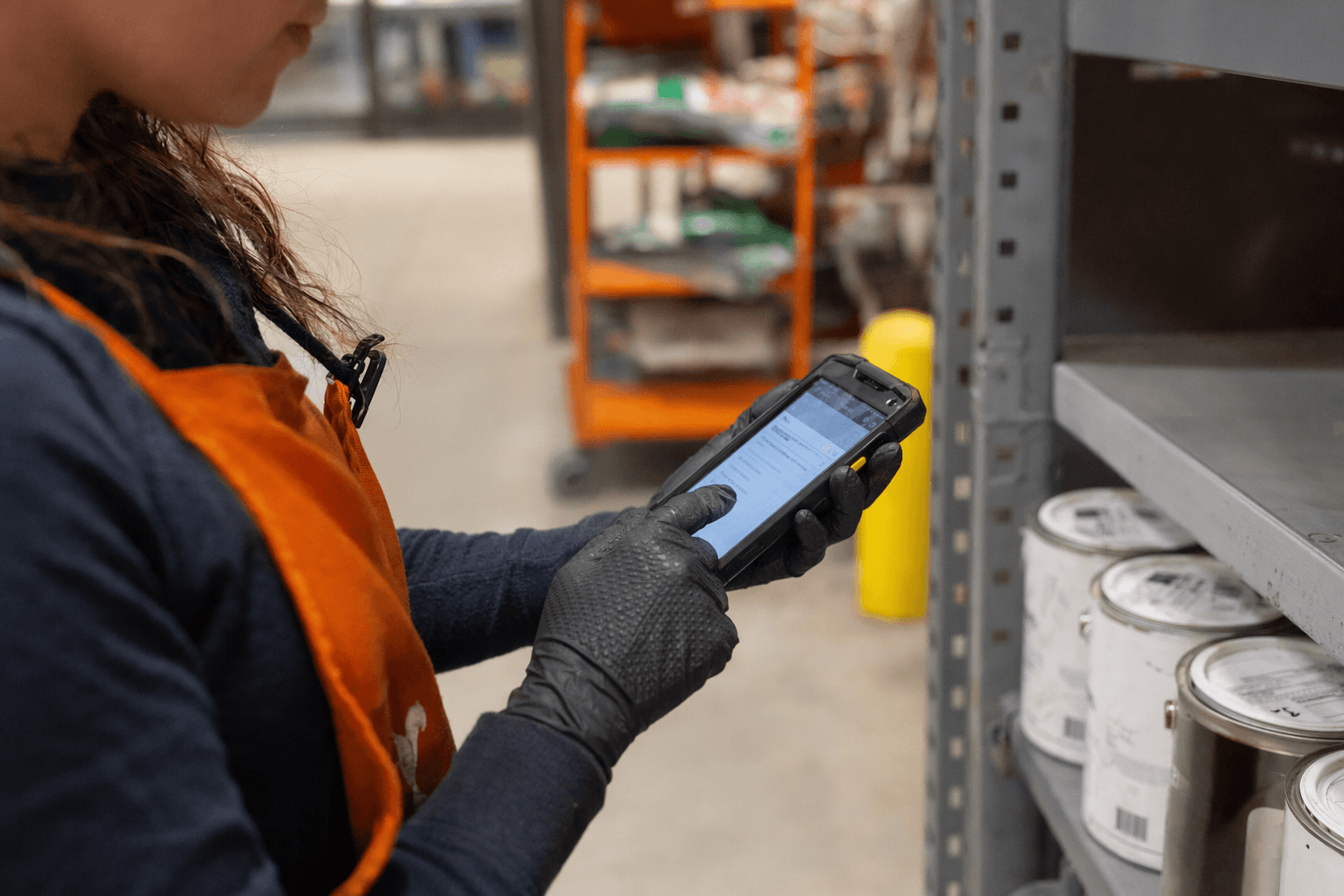
The company says associates have an online Handling Hazardous Materials and Waste Automation system on handheld devices and the associate intranet, giving them step-by-step guidance on cleanup, classification, labeling, and storage. That matters because in a big-box store, the line between ordinary freight and regulated waste can be thin, and a rushed decision on the floor can create a back-room problem later.
Where the rules touch the store
The most useful way to understand the policy is by department. Home Depot’s SOPs specifically call out Garden Center handling for fertilizer and pesticides, Tool Rental handling for used oil and fuel, Paint department cleanup and disposal of paint debris and containers, Plumbing requirements for oily rags, and Receiving and Central Storage requirements for accumulating, labeling, storing, separating incompatible materials, and tracking hazardous waste.
That list tells managers where the real friction points are. It is not just about spills. It is also about returns, broken containers, mixed stock, and anything that has to be moved, stored, or documented before it leaves the store or the supply chain facility. For associates, the practical rule is simple: if the material falls into one of those buckets, the usual rhythm of stocking and selling stops until the right procedure is followed.
The moments when associates need to slow down
The policy is built around decision points, and those are usually the moments that matter most on the floor. In Garden Center, that could mean pausing before tossing damaged fertilizer or pesticide packaging into ordinary waste. In Paint, it means treating debris and containers as something that needs specific cleanup and disposal handling, not just a quick sweep and dump.
Tool Rental is another place where the workflow gets stricter. Used oil and fuel do not move like typical merchandise, and Plumbing has its own rule set for oily rags. Receiving and Central Storage are the pressure points at the back of the store, where material can sit, get labeled incorrectly, or be mixed with something it should not touch. The company’s structure suggests that the right response is not improvisation, but escalation to the procedure already built into the system.
For customer-facing associates, that also means knowing when a question should not be answered casually. If a customer brings in material that may belong in one of those categories, the store’s response has to follow the hazmat process, not the fastest possible transaction.
Why the company is treating this as operations, not just safety
That operational approach mirrors the federal rules Home Depot has to navigate. The Occupational Safety and Health Administration says hazardous-waste operations require a written safety and health program that identifies, evaluates, and controls hazards and provides emergency response procedures. The U.S. Environmental Protection Agency’s universal-waste framework covers items commonly generated by many types of businesses, including batteries, lamps, pesticides, mercury-containing equipment, and aerosol cans.

That framework matters to retail because it gives stores a structured way to handle materials that show up often enough to be operationally significant, but still need specialized care. EPA’s 2024 rule adding aerosol cans to universal waste was designed to reduce regulatory costs, including for the retail sector, while keeping handling under a clearer protective system. For store teams, that translates into a less ad hoc, more repeatable process for the kinds of items that can pile up quickly in a high-volume chain.
Why the stakes feel bigger at Home Depot
Home Depot is not a small operator that can treat hazmat as a local exception. The company says it is the world’s largest home improvement retailer based on fiscal 2025 net sales, with more than 2,300 stores across the United States, Canada, and Mexico. When a policy touches that many locations, consistency becomes the point. A process that works in one store but breaks in another is not a process at scale.
That is also why the company’s annual reporting language matters. Home Depot says it is empowering associates through training, product knowledge, process simplification, and technology. The hazmat automation system fits that model: it puts instructions in the same devices associates already use, instead of burying compliance in a binder in the back room. The message to managers is clear: coaching on hazmat handling is part of daily execution, not just something to review after an incident.
The history behind the caution
The company’s current emphasis on procedure also lands against a hard history. In 2007, Home Depot agreed to a $9.9 million settlement over allegations tied to hazardous-waste storage and transport. In 2018, Alameda County Superior Court ordered Home Depot U.S.A. to pay $27.84 million in a case involving hazardous-waste disposal and discarded records allegations.
Those cases help explain why the modern policy is built for repeatability and recordkeeping, not just cleanup. If waste is being accumulated, labeled, separated, and tracked in Receiving and Central Storage, that is not paperwork for its own sake. It is part of the company’s defense against the kind of failures that can become expensive fast.
What workers should notice in practice
The day-to-day takeaway is less about memorizing regulations and more about recognizing stop signs in the workflow. If the product is in Garden Center, Tool Rental, Paint, Plumbing, Receiving, or Central Storage and it involves fertilizer, pesticides, used oil, fuel, paint debris, oily rags, or other regulated waste, the associate should slow down and use the procedure already built into the system.
- Cleanup is not automatic if the material may be hazardous.
- Labeling matters as much as storage.
- Incompatible materials cannot be treated like ordinary back-room inventory.
- Tracking is part of the job, especially when waste is moving toward disposal or pickup.
That is the real story here. Home Depot is embedding hazardous-materials handling into the same routines that keep freight moving and shelves stocked, because in a chain this large, safety only works if it shows up in ordinary tasks.
This article was produced by Prism’s automated news system from verified source data, official records, and press releases, then run through automated quality and moderation checks before publishing. The system is built and supervised by the people who set the standards it runs under. Read our full AI policy.
Know something we missed? Have a correction or additional information?
Submit a Tip