Home Depot ESG report highlights safety, training and benefits strategy
The Home Depot’s ESG report puts safety, training and benefits on the record, but the clearest hard numbers are the Homer Fund’s 11,706 grants worth $18.7 million in 2024.
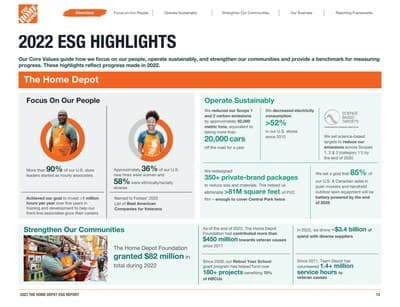
The Home Depot’s 2024 ESG report is less a branding exercise than a map of what the company wants to measure inside stores. It covers fiscal 2023 and puts associate safety, engagement, learning and development, and benefits in the same section as governance, risk management and strategy, which tells you these are being treated as operating priorities, not side programs. For anyone on a sales floor, in a pro aisle, or managing seasonal staffing, that structure matters because it shows where corporate attention is supposed to land.
What the report puts on the record
The report’s table of contents is the clearest clue to how Home Depot is organizing its people strategy. Under “Focus on Our People,” it includes Associate Safety, Associate Engagement, The Homer Fund, Learning & Development and Benefits. That is a useful signal for store leaders because it connects day-to-day labor issues to formal corporate reporting, the same way the company tracks strategy and risk management.
Home Depot’s Resources & Reports page reinforces that this is not a one-off document. It lists the 2024 ESG Report alongside the 2023 ESG Report and the 2025 Living Our Values Report, which shows a continuing annual reporting line rather than a single splashy publication. The later 2025 report uses a similar framework for fiscal 2024, with sections on associate safety, learning and development, benefits and compensation, and The Homer Fund, so the company is clearly keeping the same core themes in rotation.
Safety and training are framed as core operating issues
The part that matters most for associates is not just that safety appears in the report, but that it sits at the center of the company’s people agenda. The report’s structure puts Associate Safety immediately alongside learning and benefits, which suggests Home Depot sees injuries, training and retention as linked rather than separate problems. In a store where a power aisle can turn chaotic during spring rush or a lumber department can get overloaded with contractor traffic, that linkage is the practical takeaway.
Home Depot’s public release on the ESG report adds a concrete business cue: the company said it was investing more in training for frontline associates and leaders. That makes the learning-and-development section more than a generic promise. For department supervisors and store managers, it means training is being presented as part of execution, not just onboarding, and it gives a corporate backstop when you need to justify coaching time, compliance refreshers or skills development on the floor.
The broader business backdrop helps explain why that emphasis exists. In Home Depot’s 2023 annual report, fiscal 2023 is described as “a year of moderation” after three years of unprecedented growth. Total sales declined 3.0 percent to $152.7 billion, while comparable sales fell 3.2 percent overall and 3.5 percent in the U.S. When growth slows and customer traffic softens, the pressure shifts toward sharper execution, cleaner safety practices and more dependable staffing, especially in stores that still have to handle pro customers, seasonal peaks and a wide range of project complexity.
The Homer Fund is the most measurable support program
If you want the most concrete benefit story in the materials, it is The Homer Fund. Home Depot says the fund was founded in 1999 as a 501(c)(3) nonprofit, and the company marked its 25th year in 2024. Its purpose is straightforward: financial assistance for associates facing unexpected hardships, plus scholarships for associates’ children based on financial need and academic performance.
The numbers behind it are substantial. Older Homer Fund materials say more than 138,000 associates have received support totaling more than $176 million. A 2024 nonprofit filing summary goes further, showing that The Homer Fund provided 11,706 grants totaling $18.7 million in 2024 alone. That is the sort of number associates can actually use to gauge whether the program is active and consequential, not just symbolic.
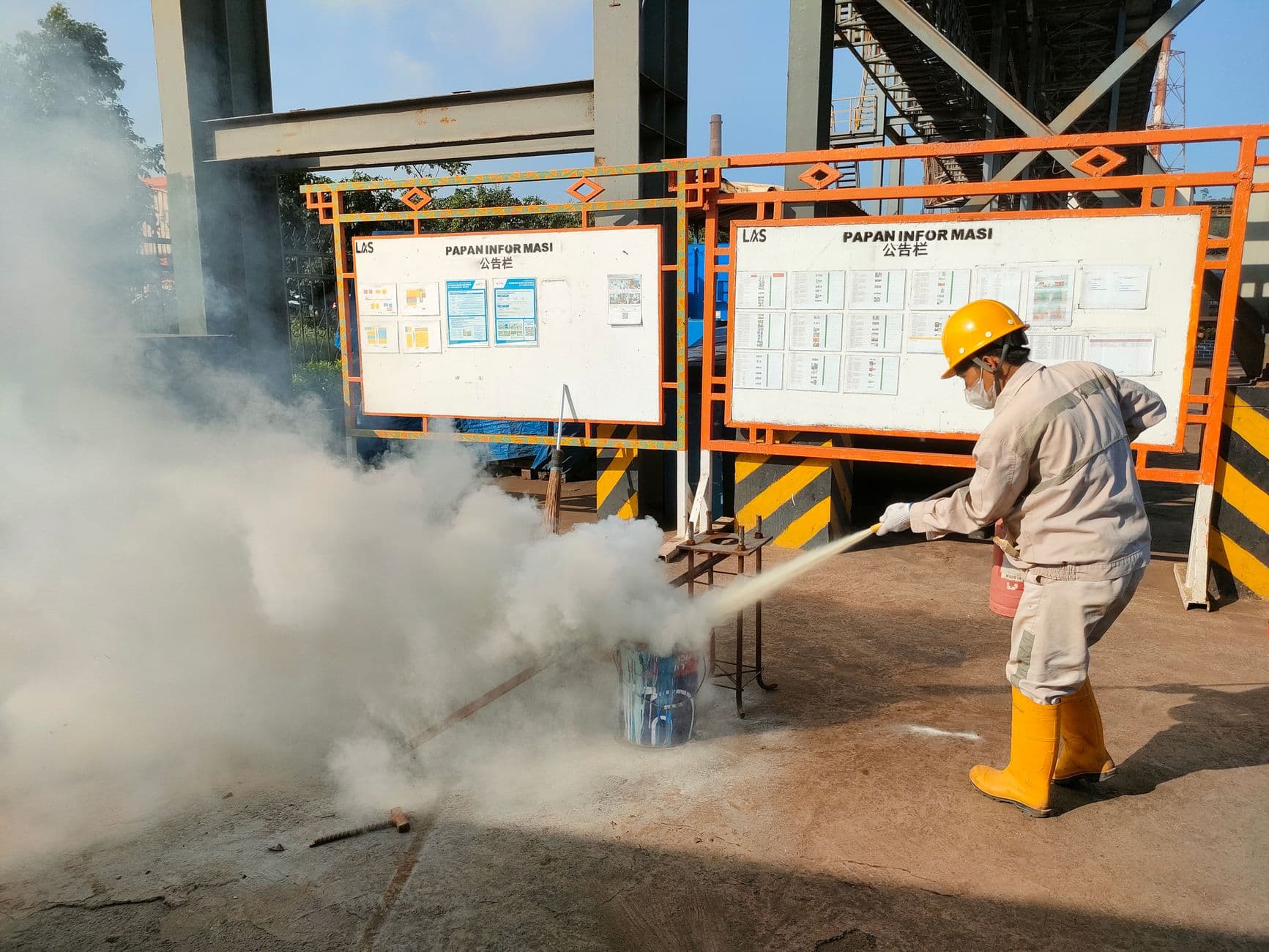
For store leaders, that matters because emergency support often becomes part of the real retention conversation. A car repair, medical bill or family crisis can knock out an hourly worker faster than any formal policy memo can help. The Homer Fund gives Home Depot a response mechanism that goes beyond pay and benefits, and it is one of the few parts of the company’s people strategy with hard, public totals attached to it.
What associates can verify in the store
The ESG report does not give associates a simple scoreboard for every safety or benefits issue, but it does show where to look. If you are a department lead, the report tells you that safety, engagement, learning and benefits are not optional side notes. They are part of the company’s formal reporting structure, which makes them fair game in coaching, staffing talks and conversations about what gets prioritized when the store gets busy.
The most practical way to read it is this: the report gives you the corporate language, while the Homer Fund numbers give you something measurable. When the company says its sustainability work runs through three pillars, Focus on Our People, Operate Sustainably and Strengthen Our Communities, it is making a broad promise. The useful part for associates is the proof points underneath that promise, especially the annual report series, the training emphasis, and the documented scale of emergency aid.
That is why the ESG report is worth more than a skim. It shows that safety, learning, benefits and hardship support are part of the same operating system Home Depot wants to project across its stores, and the clearest evidence you can verify today is the money, the grants and the continuing reporting trail.
This article was produced by Prism’s automated news system from verified source data, official records, and press releases, then run through automated quality and moderation checks before publishing. The system is built and supervised by the people who set the standards it runs under. Read our full AI policy.
Did this article answer your question?