Home Depot faces supply chain strain as import tariffs keep shifting
A 10% temporary import surcharge is nearing expiration as new tariffs and court rulings keep shifting the rules, raising the odds of slower Home Depot replenishment.
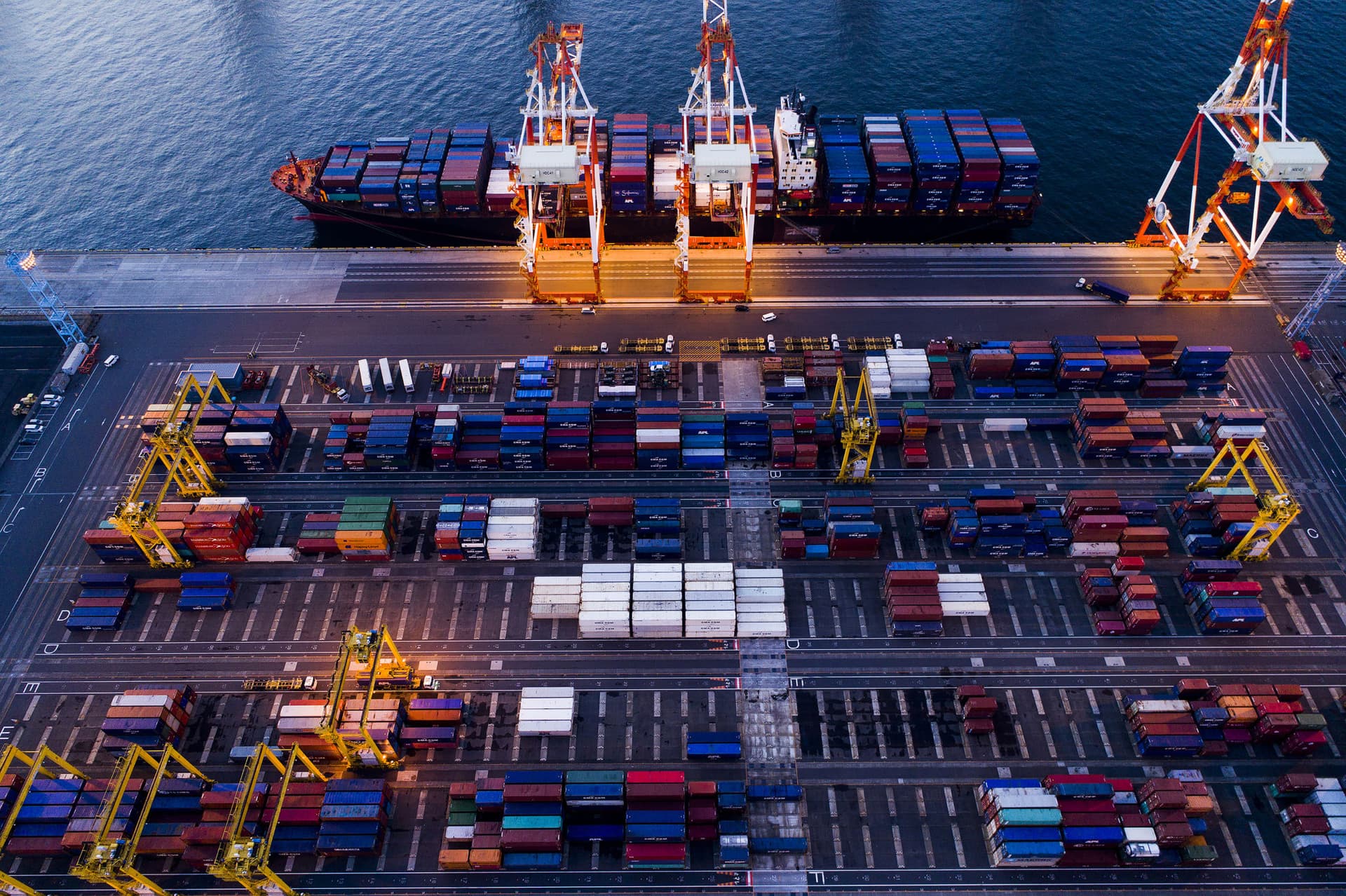
A delayed replenishment, a substituted product, or a shelf tag that moves before a customer does is likely to be the first sign of tariff volatility on a Home Depot floor. That is the practical takeaway from June, when import rules kept shifting and a temporary 10% surcharge moved closer to expiration, leaving supply-chain teams, merchants, and store leaders to absorb the uncertainty.
Wilson Sonsini said in its June 17 import update that businesses were dealing with “extraordinary uncertainty” because new and novel tariffs were running into court decisions that kept changing the rules. The firm said Section 122 of the Trade Act of 1974 can authorize import surcharges of up to 15% for 150 days in response to balance-of-payments issues, and that the temporary surcharge in force in 2026 was 10% and nearing expiration. For Home Depot, that kind of moving target can affect vendor costs, lead times, and what actually shows up in a store’s backroom.

The pressure matters because Home Depot has built its store experience around two things: knowledgeable associates and on-shelf availability. Its fiscal 2025 annual report said the company continued investing in its supply chain network, including 19 direct fulfillment centers, to speed delivery and reduce lead times. The company said it had more than 2,300 retail stores in the United States, Canada, and Mexico, fiscal 2025 net sales of $164.7 billion, and net earnings of $14.2 billion. Comparable sales grew 0.3% overall and 0.5% in the U.S.
On the sales floor, the tariff swings translate into basic but annoying questions: Why is one version of a product in stock while another is not? Why did a special order slow down? Why does a similar item now cost more? That is where product knowledge becomes operational, not just customer-facing. Associates do not need to explain trade law, but they do need to spot when the issue is bigger than one missed truck and steer customers toward compatible substitutions when a preferred item is delayed or repriced.
Home Depot’s own pricing history shows how fast the picture can change. In May 2025, executives said they expected to generally maintain current pricing levels because more than half of products were domestically sourced. By August 2025, the company was warning of modest price increases in certain categories as tariff rates rose. That shift is why June’s import-rule churn matters now: what starts as policy noise can land in aisle-level availability and pricing within weeks, and the associates who keep customers moving will feel it first.
This article was produced by Prism’s automated news system from verified source data, official records, and press releases, then run through automated quality and moderation checks before publishing. The system is built and supervised by the people who set the standards it runs under. Read our full AI policy.
Did this article answer your question?