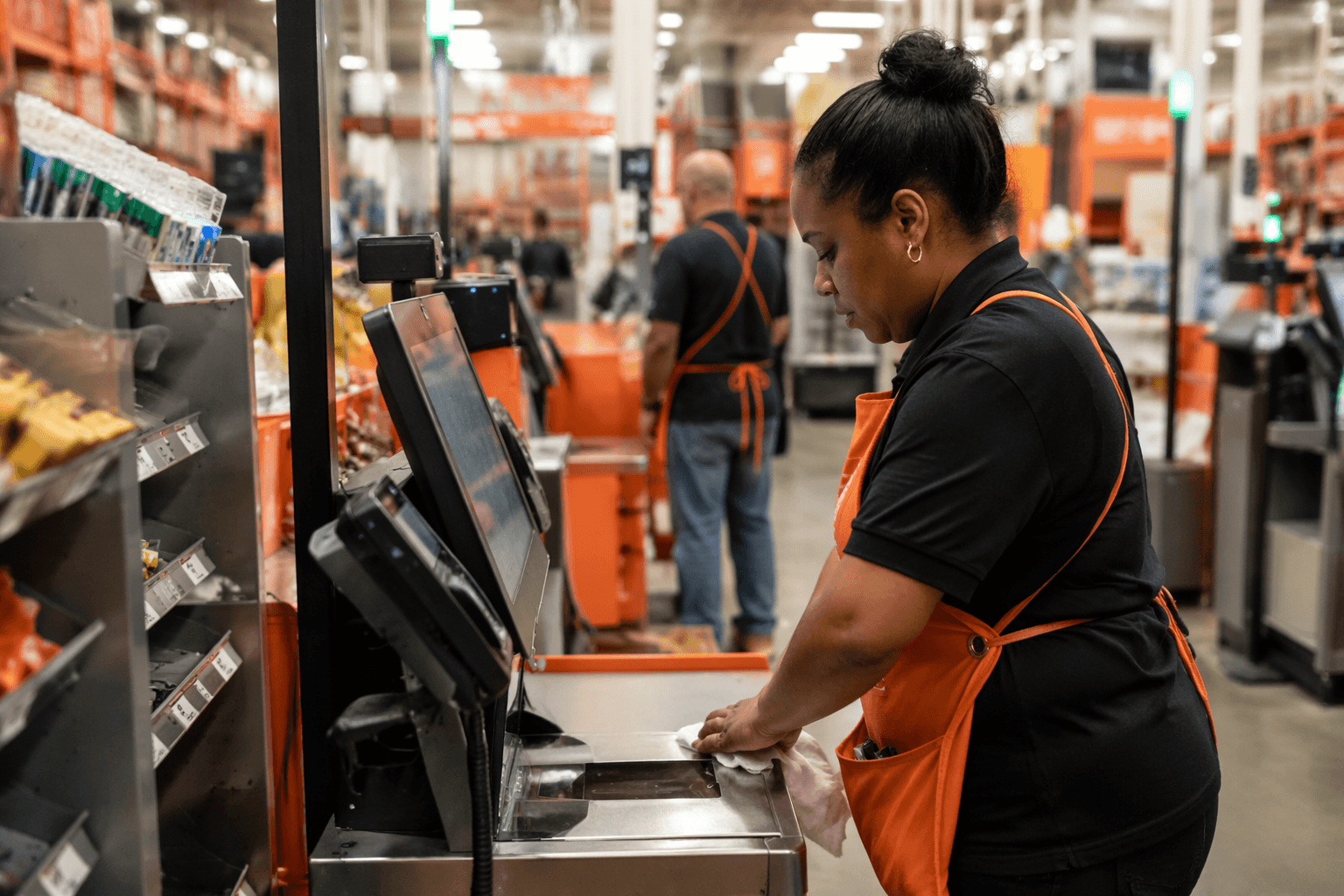
Home Depot highlights warehouse jobs as a path to career growth
Home Depot is positioning warehouse work as a climb, not a cul-de-sac: consistent schedules, on-the-job learning, and paths into retail, supply chain, outside sales, and tech.
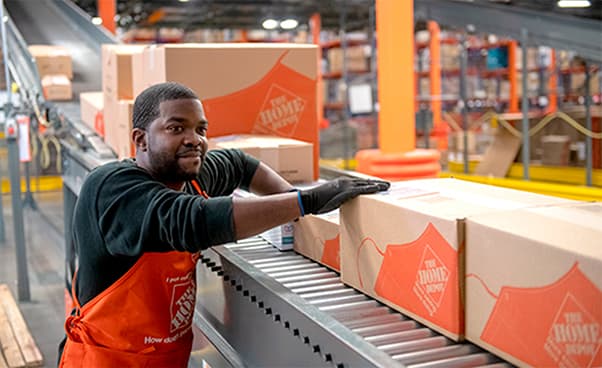
The Home Depot is selling warehouse work as more than a paycheck, and that matters because the company’s supply chain now sits at the center of how stores look and feel to customers. If you are weighing a distribution-center job, the real question is whether it builds skills you can carry upward, or just fills a shift until something better comes along.
What the company says the job can become
The company says it is hiring for full- and part-time positions in its stores and distribution centers, with warehouse jobs available across the country. It also says those roles come with consistent schedules, competitive pay, on-the-job learning, and room to expand a career inside a growing supply chain. That combination is the main signal here: Home Depot is not presenting DC work as a side door into retail, but as part of a larger operating system with room to move.
Its careers site goes further, saying employees can grow in retail, supply chain, outside sales, technology, and beyond. The career-growth hub backs that up with associate stories, including a distribution center operations manager. For workers, that matters because advancement is not just a slogan when the company is willing to put a DC leader in front of candidates as proof that the path exists.
Why warehouse work touches every store
Warehouse roles at a retailer like Home Depot are never isolated from the sales floor. Replenishment, product availability, and delivery timing all depend on whether distribution is running cleanly. When the flow works, stores see it in stronger in-stock levels and less scramble on the floor. When it does not, associates are left explaining delays, substitutions, and missing product to customers who came to finish a project that day.
That is why these jobs should be judged as operational jobs, not invisible labor. Home Depot’s own messaging ties warehouse work to the customer promise: the homeowner trying to get a Saturday project started, the pro customer trying to get materials to a jobsite before lunch, and the store team trying to keep aisles and loading zones from turning into bottlenecks. In practical terms, a good warehouse associate helps a store keep faith with both weekend DIY traffic and the contractor who cannot afford to wait.
The scale behind the opportunity
Home Depot’s annual reporting shows why the company is treating supply chain as a career track worth investing in. In fiscal 2024, it said knowledgeable associates and on-shelf availability are critical to the store experience, and it said it had invested in supply-chain improvements to speed delivery and reduce lead times. The company also said it had 19 direct fulfillment centers in that year, and that the result was the fastest delivery speeds across the greatest number of products in its history.
By fiscal 2025, the scale was even clearer. Home Depot said its supply chain includes multiple distribution-center platforms in the United States, Canada, and Mexico, and it reported more than 2,300 retail stores across those three countries. It also reported fiscal 2025 sales of $164.7 billion and net earnings of $14.2 billion. For an associate trying to map a future inside the company, those numbers matter because they show a giant operating network, not a narrow job lane.
Where the career path can open up
The strongest case for taking a warehouse job at Home Depot is that it can teach the language of the business. Associates who understand freight, receiving, replenishment, and order flow usually gain a better read on how the company really works, which can make them stronger candidates for more responsible roles. That operational literacy also travels well across the business, from store operations to supply chain and even into other functions the company says it hires into, such as outside sales and technology.
That does not mean every warehouse job turns into a promotion. It does mean workers should look for roles that build transferable habits: reliability, speed without sloppiness, comfort with systems and process, and the ability to work across teams when product is short or timing is tight. Home Depot’s own emphasis on on-the-job learning suggests that the company values people who can absorb procedures quickly and use them consistently.
For managers, the message is equally blunt. A strong supply-chain employee makes a store easier to run. A weak one creates friction all the way to the sales floor. If you are hiring, coaching, or planning succession, the warehouse is not just a labor pool. It is a training ground for people who may later understand the business better than the person who only knows one department.
Why the expansion matters to advancement
Home Depot’s growth strategy makes the career question more urgent. In March 2024, the company said it was opening four new distribution centers in Detroit, southern Los Angeles, San Antonio, and Toronto to support pro customers, especially for bulky merchandise such as lumber, insulation, and roofing shingles. It said the centers would enable jobsite deliveries, reduce congestion in local stores, and give pro customers more inventory on hand. It also said it expected 17 of its top pro markets to have new capabilities by the end of 2024.
That expansion tells workers something important: the company is building more specialized supply-chain work, not less. Bigger pro-focused facilities and faster delivery systems usually create more need for associates who can learn the operation deeply, not just show up and move boxes. The more Home Depot leans into jobsite delivery, bulky product handling, and cross-border distribution, the more valuable it becomes to know how those systems fit together.
How to judge whether the job is a short-term paycheck or a real step forward
The best test is simple: does the role give you skills that matter elsewhere in the company? If the answer is yes, the job has career value even if you do not stay in the warehouse forever. If the work is only repetitive labor with no exposure to process, inventory flow, or cross-functional coordination, then it is more likely to stay a paycheck than become a platform.
- chances to learn on the job rather than just follow a narrow routine
- exposure to receiving, replenishment, and inventory movement
- clear expectations around schedule reliability and performance
- evidence that managers promote from within, not just hire in from outside
- opportunities to understand how warehouse work affects stores, pro customers, and delivery timing
Look for signs that the role connects to the broader operation:
Home Depot is telling candidates that warehouse work can be a career path, and its scale backs that up. The real divide is not between warehouse and store work. It is between jobs that teach you the business and jobs that only use your labor. At a company this large, the workers who understand the flow of product are often the ones best positioned to move with it.
This article was produced by Prism’s automated news system from verified source data, official records, and press releases, then run through automated quality and moderation checks before publishing. The system is built and supervised by the people who set the standards it runs under. Read our full AI policy.
Know something we missed? Have a correction or additional information?
Submit a Tip