Home Depot leave benefits, what associates need to know about FMLA
Home Depot’s paid parental leave is only part of the picture: FMLA adds federal job protection, but only associates who meet the hours, tenure and worksite tests qualify.
Home Depot’s benefits messaging can make leave sound simpler than it is. Paid maternity or parental leave is available to eligible associates, but that is not the same thing as federal FMLA protection, and the difference matters the moment a family emergency, medical issue or new child changes a store schedule.
For associates, the real question is not whether Home Depot talks about leave. It is whether you clear the FMLA eligibility tests, how that leave interacts with any paid time off, and what managers are supposed to do once someone raises the issue. In a business built on shifts, departments and seasonal spikes, those details can decide whether an absence is handled cleanly or becomes a mess.

Paid leave and FMLA are not the same thing
Home Depot’s current benefits page says paid maternity or parental leave is available to eligible associates. It also lists six paid holidays, sick time, vacation, disability coverage and an employee assistance program as part of its time-off and support benefits. That is the company side of the ledger.
The federal side is different. The U.S. Department of Labor says FMLA leave is unpaid, job-protected leave that can run at the same time as employer-provided paid leave. In other words, FMLA is the protection layer, not the paycheck layer. For a Home Depot associate, that distinction is the whole ballgame: paid leave may help replace income, but FMLA is what helps protect the job.
The law also requires covered employers to maintain group health benefits during FMLA leave, and employees generally must be restored to the same or a virtually identical position when they return. That return-to-work rule matters in retail, where schedules can shift fast and teams can be reorganized around sales patterns, pro desks and seasonal rushes.
Who actually qualifies
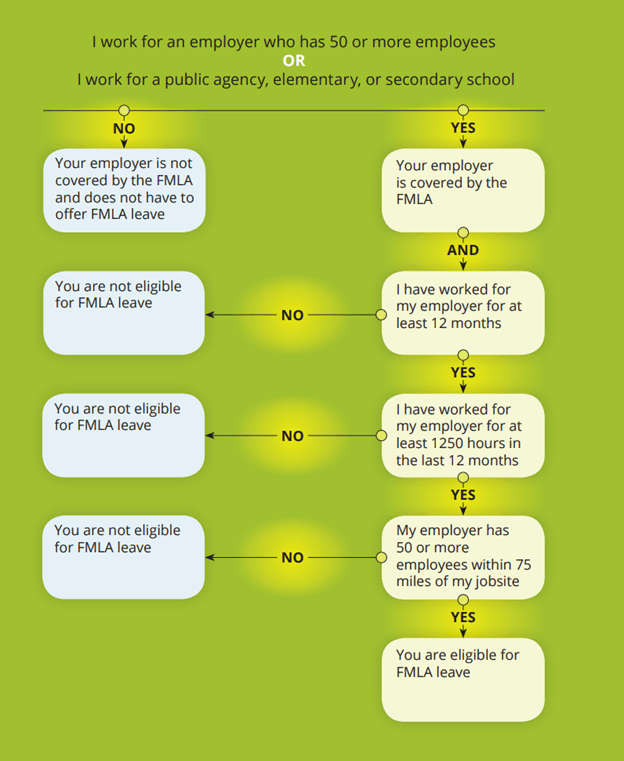
The eligibility test is straightforward, but it is easy to miss in a store environment. Under the Department of Labor’s rules, an employee generally must work for a covered employer, have worked there for at least 12 months, have logged at least 1,250 hours in the past 12 months and work at a site where the employer has at least 50 employees within 75 miles.
That last part is where retail gets tricky. Home Depot is a huge, geographically spread-out employer, and the company’s 2025 annual report says it has more than 2,300 stores in the United States, Canada and Mexico. But FMLA coverage is not based on the size of the whole company alone. It depends on the local worksite test too, which is why associates in smaller stores, lower-volume locations or part-time roles can get confused fast.
The Department of Labor also says most private-sector employers are covered if they employ 50 or more employees in 20 or more workweeks in the current or previous calendar year. Home Depot clearly falls into the category of a major employer, but the individual associate still has to meet the tenure, hours and worksite requirements before FMLA rights kick in.
How Home Depot’s paid parental leave fits in
Home Depot has been expanding its family-leave messaging for years. In 2018, the company said all associates were eligible for paid family leave after one year of service. A 2019 Home Depot culture story said an updated paid parental-leave policy began in July 2018 and gave eligible associates up to six weeks of paid leave when they welcomed a new child through birth, adoption or foster care, in addition to six weeks of paid maternity leave.
The company said something similar again in 2021, noting that paid family leave was part of a broader package of personal benefits. Current job postings still advertise paid parental leave, while also making clear that benefits vary by salaried or hourly status and by full-time or part-time status.
That variation is important. A benefits summary can make it sound like one policy covers everyone the same way, but the real question for an associate is whether the specific leave being requested is paid by the company, protected by federal law, or both. Those are related, but they are not interchangeable.
What managers should do when someone asks for leave
Store leaders should not improvise on protected time away. The safest move is to route questions to HR, document the leave conversation carefully and make sure the associate gets the right process rather than a casual verbal answer that never gets logged.
Managers also need to know that FMLA can run at the same time as company-paid leave. If an associate is eligible for both, the store should not treat the two as separate, competing buckets that get handled informally. The federal leave can overlap with paid leave, but the manager still has to respect the job-protection piece, keep the conversation documented and avoid sending the associate into limbo.
That matters in a place like Home Depot, where staffing is part logistics and part relationships. Department leads, ASMs and store managers are often juggling freight, pro customer demand, service desk coverage and seasonal project surges at the same time. When leave is handled loosely, the cost shows up later in scheduling confusion, missed paperwork or a return-to-work problem that should have been prevented.
What associates should check before a crisis hits
The best time to sort out leave is before you need it. Associates should know whether they meet the 12-month and 1,250-hour thresholds, whether their location satisfies the 50-employee-within-75-miles rule and what documentation may be required if a serious health condition, birth, adoption or foster-care placement triggers leave.
It also helps to understand how company benefits fit around FMLA. Home Depot’s current benefits page already points to paid maternity or parental leave, six paid holidays, sick time, vacation, disability coverage and an employee assistance program. That mix can matter as much as the leave itself, because the associate may need both time off and income support while the federal job protection runs in the background.
The wider legal backdrop explains why this still comes up so often. Congress enacted the FMLA on February 5, 1993, and the Department of Labor marked its 30th anniversary in 2023. The law was meant to answer a basic workplace problem: how to take time away for family or medical reasons without risking your job or health coverage. For Home Depot associates, that promise only works if the company side and the federal side are both understood clearly, before the leave starts and before the return date gets close.
This article was produced by Prism’s automated news system from verified source data, official records, and press releases, then run through automated quality and moderation checks before publishing. The system is built and supervised by the people who set the standards it runs under. Read our full AI policy.
Did this article answer your question?