Home Depot, Lowe’s use license plate readers to curb theft, spark privacy concerns
Home Depot says plate readers protect associates from theft, but the same lot data can map cars, times and places, raising alarms over surveillance and ICE access.

Home Depot says its parking-lot license plate readers are there to keep customers and associates safe, yet the same tools can turn a store lot into a record of who was there, when they arrived and where their car was seen. That is the tension now sitting inside a business that pulled in $164.7 billion in fiscal 2025 net sales and operates more than 2,300 stores across the United States, Canada and Mexico.
The company says it uses license plate readers in its parking lots to detect and prevent theft and to protect customers and associates. It also says it does not grant access to its license-plate readers to federal law enforcement. Lowe’s has taken a similar path, saying in its privacy statement that at some stores, and when allowed by law, it uses cameras with automated license plate reader technology near and around parking areas. Lowe’s says those systems capture vehicle images, license plate numbers, dates, times and general locations.
For store workers, the practical question is whether the technology makes the lot safer or simply adds another layer of scrutiny around ordinary daily traffic. Home Depot says maintaining a safe environment helps protect against inventory loss, or shrink, which the retailer treats as an ongoing operational risk. But once a vehicle is flagged, the expectations around who notices it, who responds and how far that response goes become part of the job, especially in a parking lot where contractors, customers and employees all move through the same space.
That scrutiny has sharpened in Connecticut, where lawmakers enacted Public Act No. 26-14 in 2026 to regulate automated license plate reader systems and data retention. The law has drawn attention to the gap between police use of plate data and the far less regulated use by private companies. Privacy advocates argue those systems can create broad tracking networks and raise concerns about retention, access, wrongful detention and civil-rights impacts.
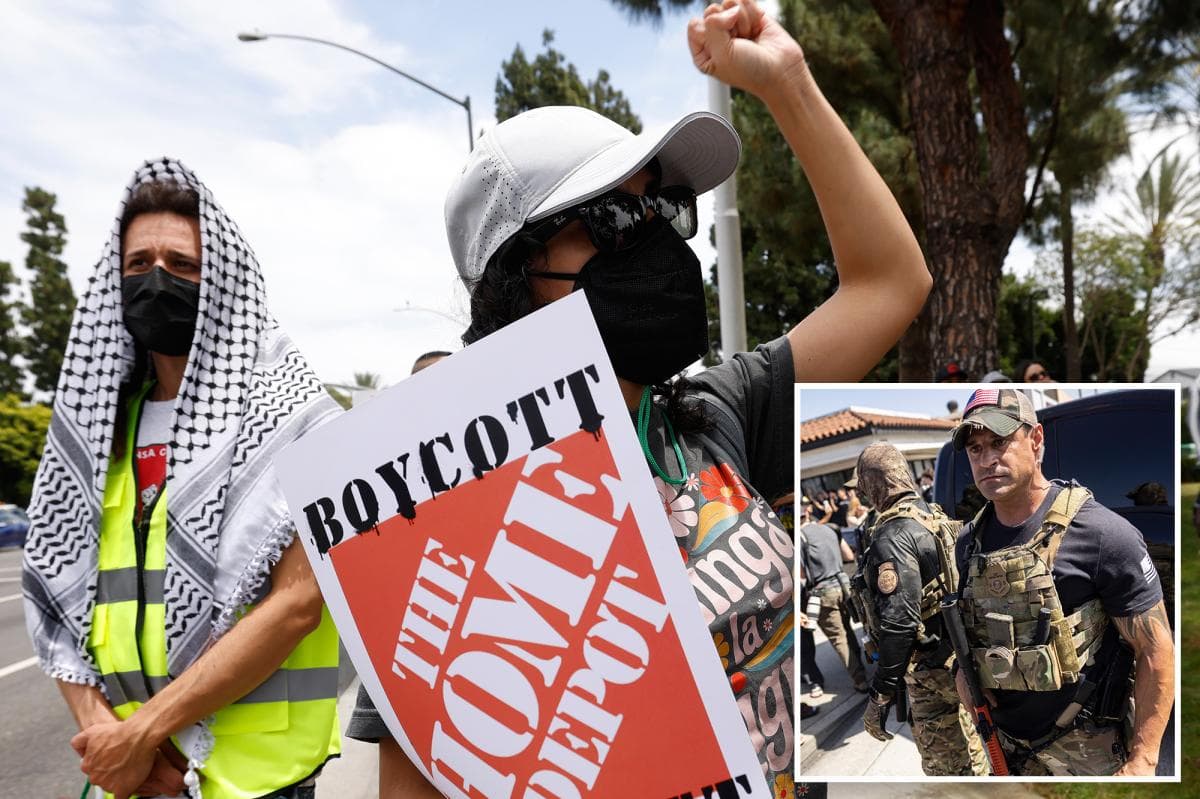
The debate has also reached Home Depot’s own investors. In January 2026, a group of shareholders asked the company to review its partnership with surveillance firm Flock Safety and explain how the data is used and shared with law enforcement, especially after reports that Flock data had been used in immigration-enforcement investigations. That concern lands hard in a setting where Home Depot parking lots have become a flashpoint for immigration activity, with day laborers and immigrant workers often gathering there seeking work.
The basic promise of ALPRs is narrow: catch theft, protect the lot, protect the store. The harder question is whether associates and managers are being asked to live with a wider surveillance net, one that may change how every flagged vehicle in the parking lot is treated.
This article was produced by Prism’s automated news system from verified source data, official records, and press releases, then run through automated quality and moderation checks before publishing. The system is built and supervised by the people who set the standards it runs under. Read our full AI policy.
Did this article answer your question?