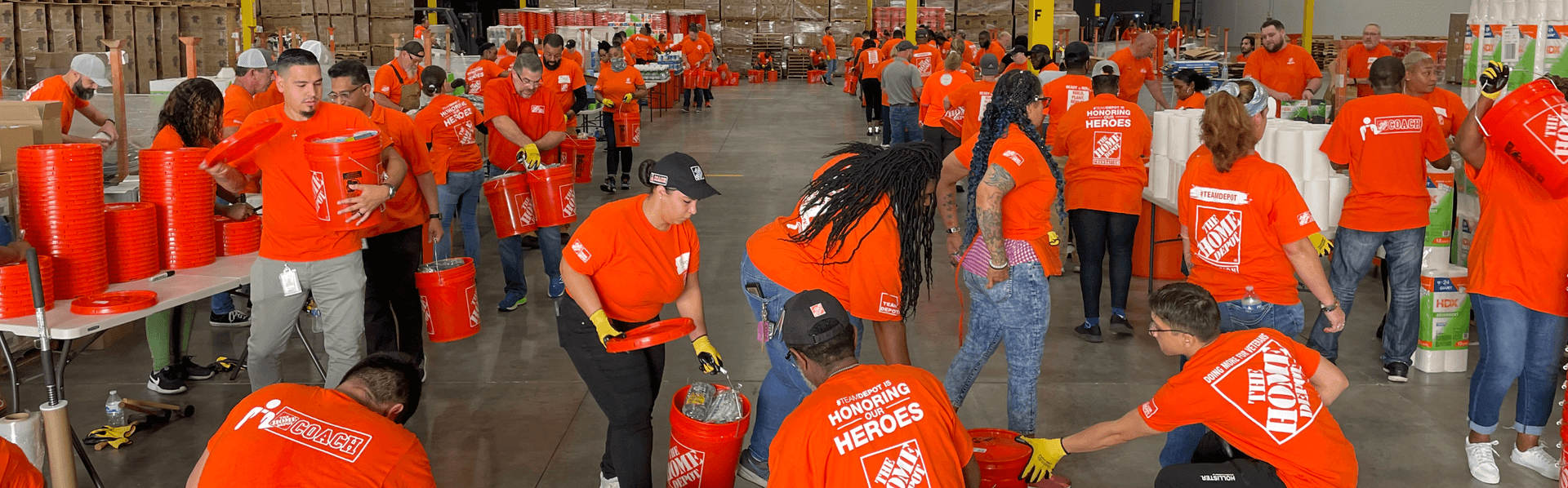
Home Depot’s founding mission still centers trained associates and project coaching
Home Depot was built on trained associates coaching customers through projects, and that original promise still defines what workers are expected to deliver.
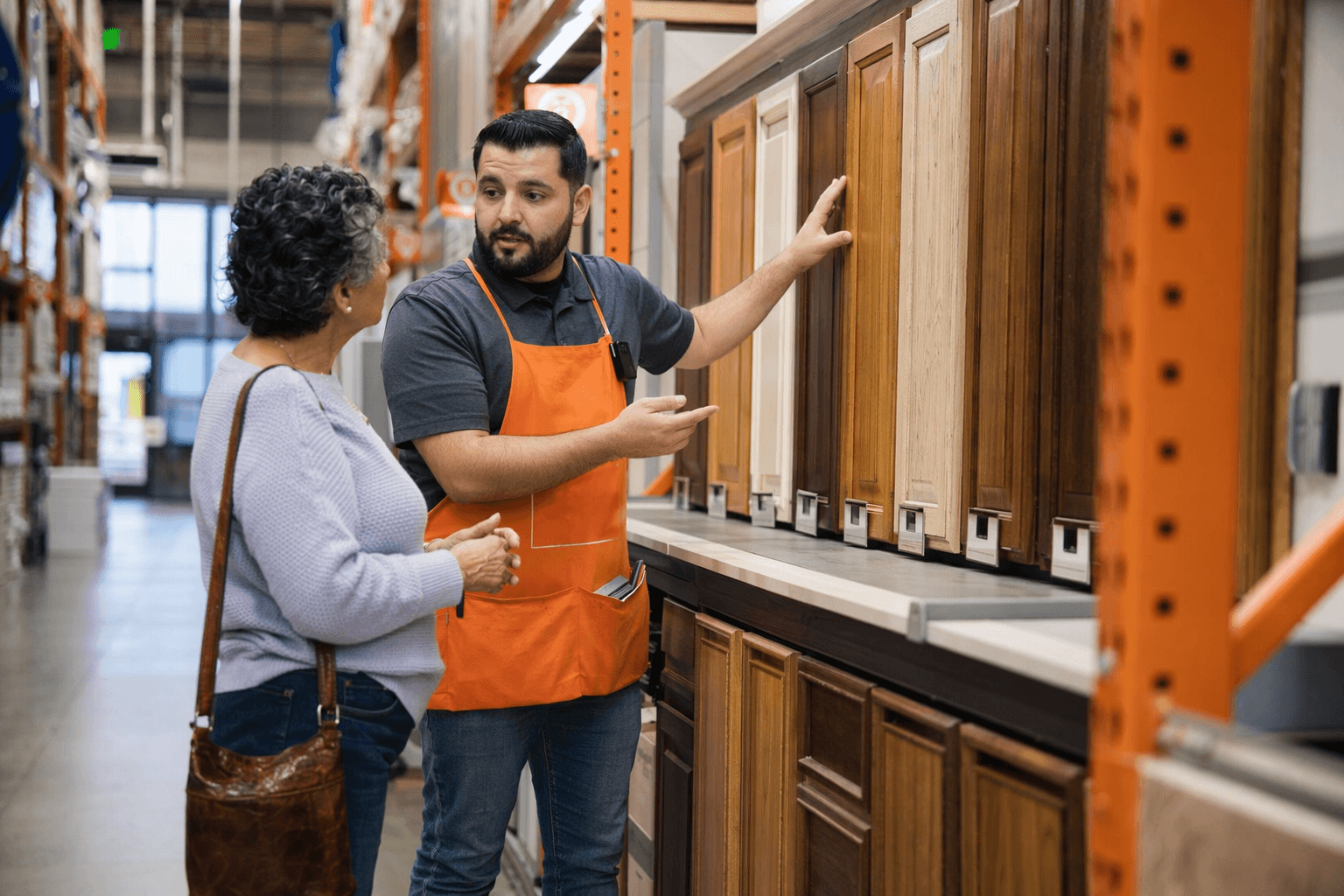
The founding model still shapes the floor
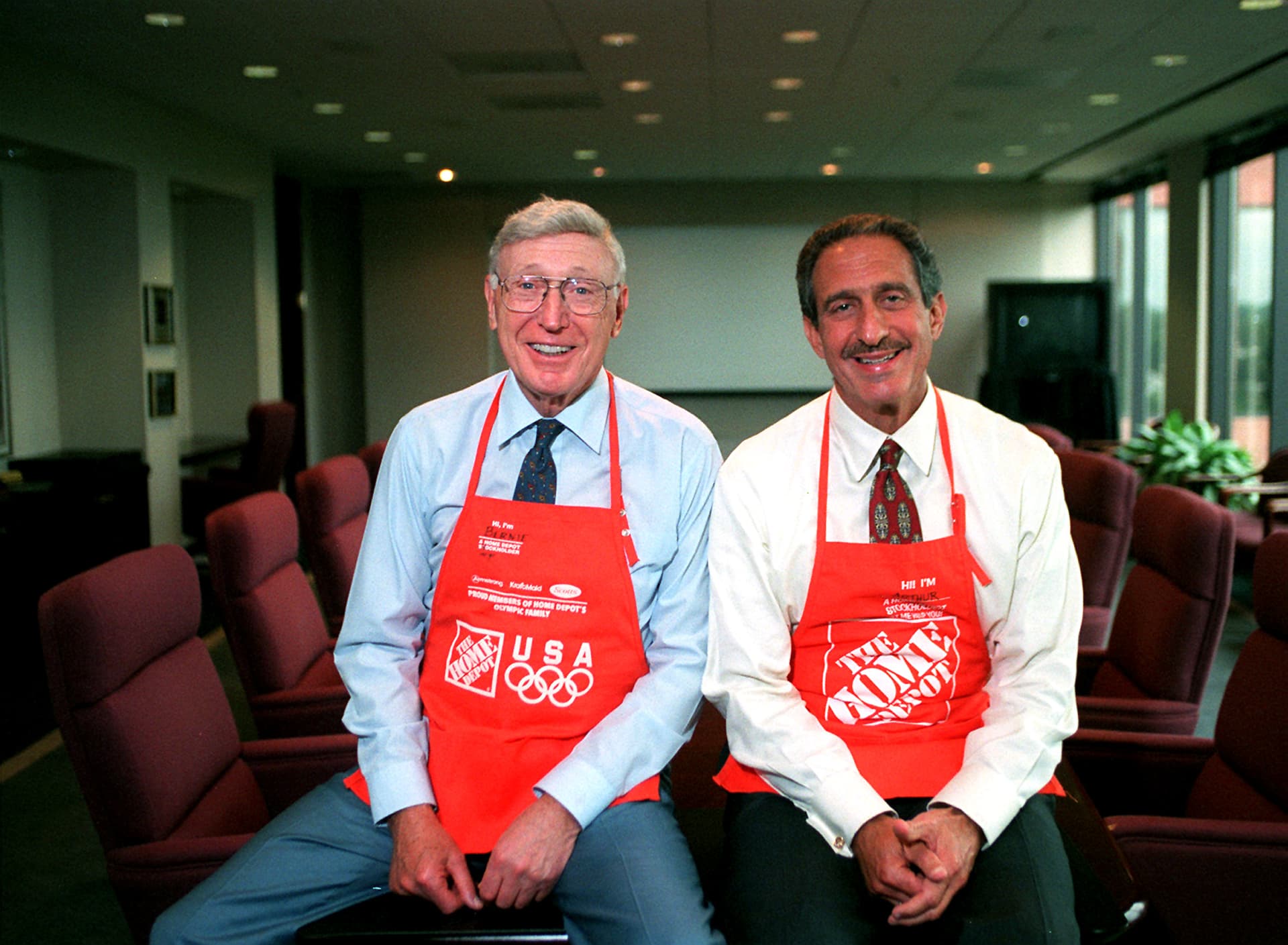
Home Depot did not begin as a simple box-moving operation. Bernie Marcus and Arthur Blank built the first stores around a bigger idea: customers would come in for more than products, they would come in for help finishing real projects. The company’s own history says the first two stores opened on June 22, 1979, on Memorial Drive and Buford Highway in Atlanta, and by the end of that year Home Depot already had three stores, about 200 associates, and average weekly sales of $81,700.
That origin story matters because it explains the operating logic still hanging over today’s stores. The founders created cavernous warehouses stocked with more merchandise than the typical hardware store, then paired that assortment with floor associates trained to teach customers how to handle a power tool, change a fill valve, or lay tile. The company also leaned into DIY clinics, customer workshops, and one-on-one sessions. In other words, Home Depot was built to sell confidence as much as lumber, paint, and hardware.
Why the associate role was never just “sales”
The founding-era customer bill of rights centered on assortment, quantity, price, and the help of a trained sales associate. That detail is still the cleanest test of whether the company is living up to its original promise. A customer may walk in thinking they need a box of parts, but what they really want is a way to finish the job without a second trip, a costly mistake, or a half-done project sitting in the driveway.
For associates, that means product knowledge is not a bonus skill. It is the job. The company’s history page makes clear that teaching, coaching, and problem-solving were built into the concept from the start, and that remains central to how store teams are supposed to work with DIY customers, contractors, and pro shoppers alike. The same is true for department leads and managers: the strongest store is not the one that simply rings up the most items, but the one where associates can guide someone through the next step with enough confidence to keep the project moving.
From Atlanta to a regional concept to a national chain
Home Depot’s growth story helps explain why training has to scale with the business. The company says it was founded in 1978, and after those first Atlanta openings it expanded quickly, including early stores in Hollywood, Florida, and Fort Lauderdale, Florida. Home Depot went public on September 22, 1981, giving the concept the capital and visibility to grow far beyond its Georgia roots.
That growth has been huge: Home Depot now says it operates more than 2,300 stores across the United States, Canada, and Mexico. Its fiscal 2025 annual report says the company is the world’s largest home improvement retailer and recorded fiscal 2025 net sales of $164.7 billion. Scale is a strength, but it also raises the bar. A customer in one market expects the same kind of project guidance as a customer in another, which is why the company keeps tying its identity to standards, training, and consistent execution.
What the company says it needs from stores now
Home Depot’s current investor materials still put associates near the center of the store experience. The annual report says knowledgeable associates and on-shelf availability are critical to the store experience. That pairing is important. Knowledge alone does not solve a customer’s problem if the needed product is not available; inventory alone does not help if no one can explain the difference between the parts on the shelf.
The company also says it is empowering associates through training, product knowledge, simplified processes, and technology. Its corporate culture page goes a step further, saying associates are essential to the customer experience and that Home Depot focuses on cultivating a compelling associate experience to attract and retain workers. That is more than a message for Wall Street. It is a signal to store teams that the company understands the labor side of service, even if the pressure of daily retail still makes that goal hard to sustain.
What workers gain when training is treated as a real investment
Home Depot has also pointed to promotion as proof that its model is supposed to reward growth. In a 2022 wage update, the company said more than 65,000 associates were promoted into positions of increased responsibility that year. That number matters because it shows advancement is part of the operating model, not an afterthought. For a store associate, the path from product knowledge to greater responsibility can be a meaningful part of the job, especially in a business where experience on the floor is often the difference between a rushed transaction and an actually useful answer.
That matters culturally too. After Bernie Marcus died in 2024, Home Depot called him a “master merchant” and said he helped create “a nation of doers.” That language reflects the company’s long-standing belief that customers want to finish projects themselves, but only after being shown how. It also reinforces why store associates carry such weight in the brand: they are the people who turn a warehouse into a place of coaching.
Where the promise gets tested in daily store life
The tension in Home Depot’s model is obvious to anyone who has worked a busy shift. The company’s founding promise depends on time, attention, and trained labor. When coverage is thin, those three things get squeezed at once. Associates can still be knowledgeable, but they have less room to walk a customer from question to solution, less time to explain the right part, and less bandwidth to keep up with the steady stream of project questions that define the sales floor.
That is where the original idea and the modern reality collide. The brand was built around expertise, yet the retail floor often runs on speed. Customers notice the gap quickly, especially during seasonal rushes or when pro traffic and DIY traffic hit at the same time. For workers, that gap can mean more interruptions, more pressure to answer technical questions fast, and more frustration when the store cannot deliver the hands-on help the brand says it stands for.
What the founding story still demands from today’s stores
Home Depot’s early history is not just a tribute to the past. It is a working blueprint for what the company still claims to sell: selection, value, and the confidence that comes from trained guidance. The first stores in Atlanta, the early workshops, the customer bill of rights, and the company’s current emphasis on knowledgeable associates all point to the same conclusion.
For managers, that means coaching should still be about teaching associates how to teach. For department leads, it means product expertise has to be protected as a store priority, not treated as something that appears only when labor allows. And for associates, the founding story is a reminder that the knowledge they carry on the floor is not extra credit. It is the core of what made Home Depot different from the beginning, and still the standard the company says it wants to keep.
This article was produced by Prism’s automated news system from verified source data, official records, and press releases, then run through automated quality and moderation checks before publishing. The system is built and supervised by the people who set the standards it runs under. Read our full AI policy.
Did this article answer your question?