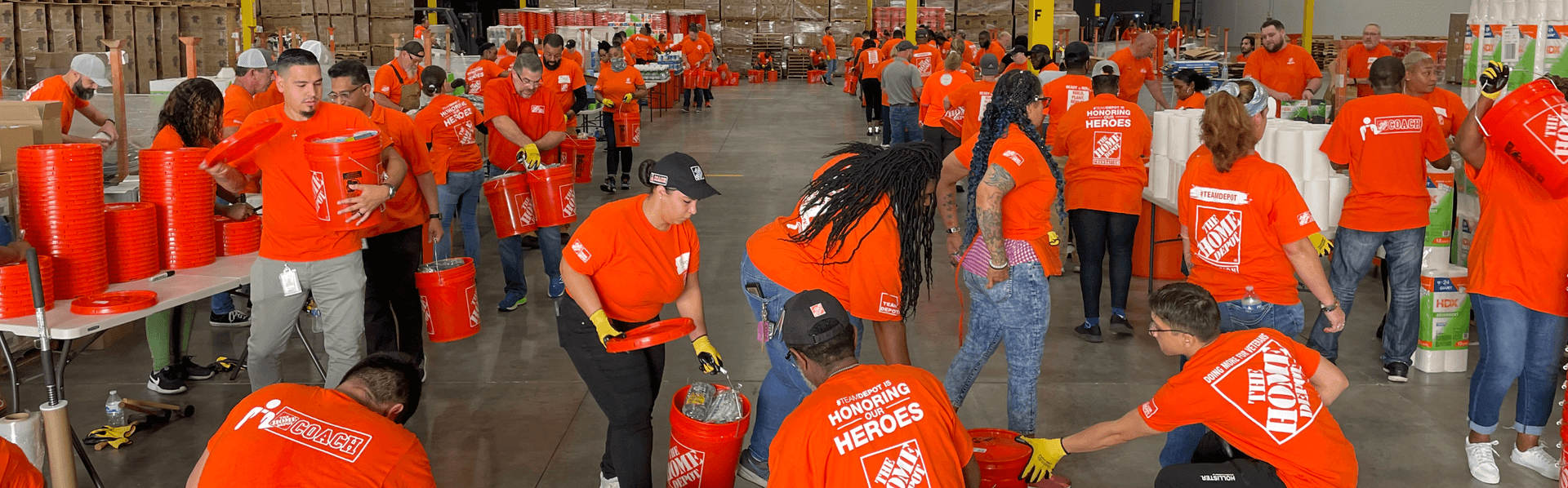
Home Depot managers can use automation to improve scheduling and onboarding
Home Depot’s scale makes even small automation gains matter. The test is simple: does software clear the scheduling and onboarding bottlenecks, or just shift the work to managers?
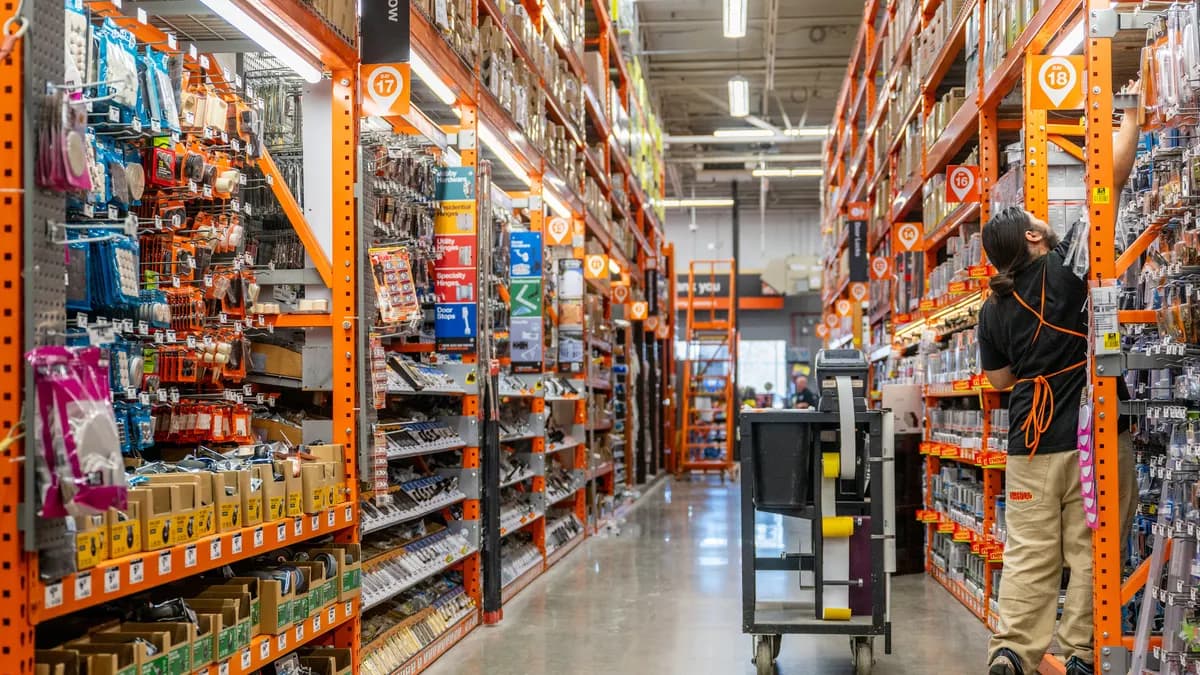
Automation can help a store manager catch up, but it will not replace the human judgment that keeps a Home Depot floor staffed, coached, and ready for a contractor rush.
When a company with more than 470,000 associates and $164.7 billion in fiscal 2025 sales tries to improve scheduling and onboarding, the stakes are not abstract. At Home Depot, every smoother shift handoff, every faster new-hire setup, and every clearer answer about time off can change whether a department stays covered or a manager spends the morning scrambling.

Why front-line automation matters in a store like Home Depot
The broader HR case for automation starts with the reality of hourly work: long hours, relatively low pay, and limited advancement make retention and engagement harder to sustain. SHRM’s front-line automation discussion argues that technology can ease those pressures by making hiring, onboarding, communication, and workforce management less clunky for the people doing the work and the managers supervising it.
That is especially relevant at Home Depot, where the labor model depends on quick scheduling decisions, seasonal coverage, and constant coordination across departments. A busy store is not a static office environment; the paint desk, the pro aisle, the lumber run, and the front end all pull on the same staffing pool, often at the same time. If automation can reduce friction in those handoffs, it is not just an HR upgrade. It is a way to keep the sales floor from feeling understaffed during the exact hours when customer traffic and project demand spike.
What automation can speed up right away
The biggest wins are practical, not flashy. Automation is most useful when it matches open shifts to available workers by skills and proximity, streamlines communication across locations, and standardizes training rollouts at scale. That matters in a retailer where managers are often balancing customer service, freight, recovery, and coaching while trying to fill next week’s schedule.
For Home Depot managers, the clearest gains would likely show up in four areas:
- Scheduling: software can surface which associates are available, which ones have the right skill sets, and where coverage gaps are opening before the day turns chaotic.
- Onboarding: new hires can get the same baseline orientation and task guidance instead of relying on whichever supervisor happens to be free.
- Time-off requests: automated workflows can make requests easier to submit and track, which cuts down on back-and-forth and missed approvals.
- Policy answers: associates can get faster clarification on routine rules, leaving managers to handle exceptions instead of repeating the same explanations all week.
That is the part of automation Home Depot can use to save time immediately. A store manager does not need a machine to decide whether a seasoned associate should be on the flooring desk during a weekend rush, but a good system can make that decision easier to see.
What still needs a manager’s judgment
The limit of automation is just as important as its promise. SHRM’s underlying point is that these tools work best when they connect business goals with people-management strategy, not when they try to replace it. In a Home Depot store, the software can organize information, but it cannot fully judge who needs coaching, who is ready for more responsibility, or when a customer issue calls for a human escalation.
That is where the store culture matters. Associates are expected to know products, projects, and the practical details that help a DIY customer or pro customer finish a job. A system can tell a manager which associate is available; it cannot reliably tell them which associate has the trust of a contractor who comes in every Thursday, or which newer hire needs an extra hour on the floor to build confidence.
This is also why the right question is not whether automation removes people from the process. It is whether it removes the most mechanical parts of the process so managers can spend more time training, coaching, and solving problems on the floor.
Home Depot has already been moving in this direction
The company has been building worker-facing technology for years, which makes front-line automation feel less like a theory and more like the next step in a longer rollout. In January 2023, Home Depot launched Sidekick, a machine-learning app for store associates that prioritizes tasks, identifies out-of-stocks, and tells workers what shelf to restock. At launch, the tool was in more than 600 stores, with a plan to reach all U.S. stores by the end of fiscal 2022.
That matters because Sidekick is not a back-office experiment. It is designed for the sales floor, where speed and clarity shape the customer experience. If an associate can get a faster prompt on what needs to be stocked or recovered, that frees up attention for the customer standing in aisle 12 with a complicated project and a cart full of lumber, fittings, or paint.
Home Depot has said it now offers more than a dozen AI-powered capabilities, with more in development. The company says those investments are meant to improve both the customer and associate experience, which is the right framing for a store business that depends on high-touch service. In May 2025, Ann-Marie Campbell said associates’ product and project knowledge is a key differentiator for Home Depot, and Billy Bastek said the company was deploying worker-facing generative AI tools to make its knowledge base easier to access.
What that means for associates and managers
For associates, the best version of automation is not surveillance or one more app to check. It is a cleaner path to the information that helps them do the job: who is working, what needs to be done, where to go for answers, and how to get trained without chasing down a manager for every detail. For department leads and store managers, it is the chance to spend less time on manual admin and more time on the leadership work that actually moves the store.
Home Depot’s scale makes this a high-stakes test. The company operates 2,359 retail stores and more than 1,250 SRS locations, and it says the stores remain the center of its ecosystem while it keeps building new ones. In a business that large, a little less paperwork and a lot more clarity can ripple fast.
The most useful automation will not promise to replace management. It will make the job more manageable, which is a different and more valuable thing.
This article was produced by Prism’s automated news system from verified source data, official records, and press releases, then run through automated quality and moderation checks before publishing. The system is built and supervised by the people who set the standards it runs under. Read our full AI policy.
Did this article answer your question?