Home Depot stores evolve as hybrid hubs for shopping and fulfillment
Physical stores are becoming fulfillment and service engines, and Home Depot is already built that way. For associates, that means more pickups, returns and pro advice at the front end.

The store is no longer just a place to browse
The fastest-growing job inside a Home Depot store is not always stocking a shelf. As online shopping keeps taking more of the market, the building itself is being pressed into service as a pickup point, a returns desk, a delivery node and a project-solving center, which changes what associates see all day on the floor.
That is the big operational lesson in McKinsey’s omnichannel analysis: stores are not fading away, they are changing jobs. Retailers can keep a traditional layout, convert a site into a dark store, or build a hybrid model that blends customer service with fulfillment. Home Depot already looks like that hybrid model in practice, and for store teams that means the real work is shifting toward speed, accuracy and customer confidence.
What the store is doing now
Home Depot’s own investor materials say the company has more than 2,300 stores across the United States, Canada and Mexico, and that stores sit at the center of its ecosystem. The company reported fiscal 2025 net sales of $164.7 billion and earnings of $14.2 billion, which makes clear that the store network is not a leftover from a previous era. It is still the engine.
On the floor, that engine now has several jobs at once. Stores are handling customer pickup, returns and delivery fulfillment, while also serving contractors and serious DIY customers who need advice, product confirmation and fast turnarounds. That means a cashier, department associate or supervisor is no longer just managing a transaction. They are helping decide whether a project starts on time or gets delayed by a missing part, a wrong item or a slow handoff.
Why the pressure on the floor feels different
Home Depot has been direct about using stores as convenient pickup, return and delivery fulfillment locations. It has also invested in 19 direct fulfillment centers, along with third-party last-mile providers and technology improvements across its 2,000-plus stores. The practical result is that the building itself is part of the supply chain, not separate from it.
That shift shows up in assortment and speed. In its 2025 investor conference presentation, Home Depot said it expanded from about 25 SKUs available for delivery from store to more than 100 SKUs available for same- or next-day delivery from various locations. By late 2025, the company said 55% of deliveries for in-stock SKUs were arriving same day or next day, more than triple 2022 levels. For store managers, that kind of pace makes labor planning, inventory visibility and layout discipline strategic issues, not just backroom housekeeping.
- A steady stream of online pickup traffic
- More returns and exchanges that need quick triage
- Staging product for same-day and next-day delivery
- Helping customers narrow down the right tool, finish or material before they leave
- Coordinating with pros whose timelines are tighter than a weekend DIY trip
For associates, the day can now include:
That is why the old idea of shelf replenishment as the main measure of store success no longer fits the full picture. Replenishment still matters, but it now sits alongside fulfillment accuracy and front-end service.
Home Depot is leaning into a hybrid model
McKinsey’s hybrid-store concept fits Home Depot unusually well because the company has never treated the store as a simple checkout lane. Its pro-facing materials describe dedicated Pro support both in store and online, exclusive contractor pricing and flexible supply delivery. That matters because the pro customer is not shopping casually. They are buying to keep a job moving, which means store speed and order accuracy carry real dollar consequences.
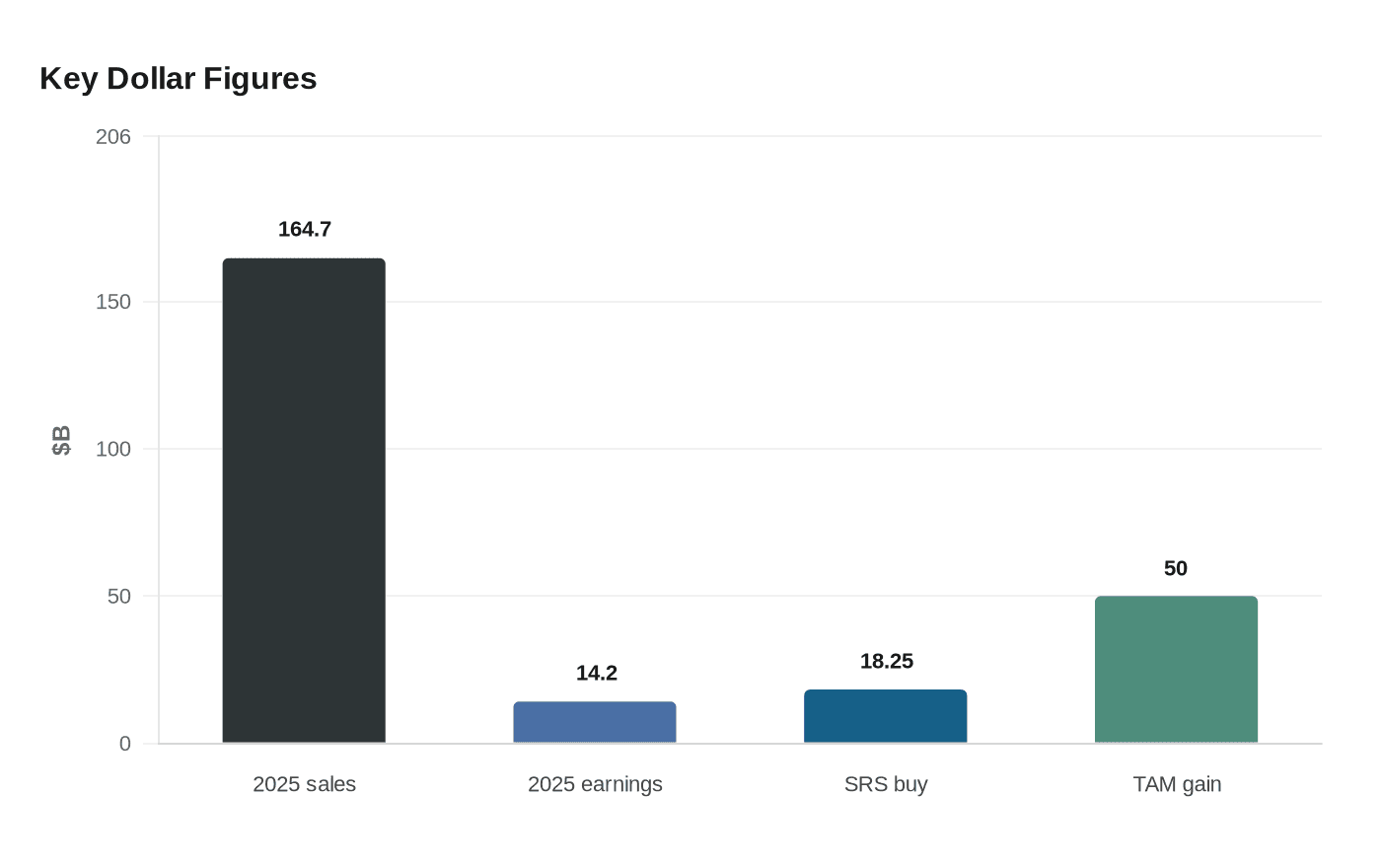
Home Depot reinforced that direction with its $18.25 billion acquisition of SRS Distribution, completed on June 18, 2024. The company said SRS expands its total addressable Pro market by about $50 billion, which tells store teams to expect even more pro-facing pressure across the network. More professional business usually means more special ordering, more delivery coordination and more customers who want a knowledgeable answer before they leave the counter.
The company’s growth plans also say a lot about how it views physical stores. In its 2025 annual report, Home Depot said the performance of the 37 new stores built over the prior three years had exceeded expectations. After completing its approximately 80-store plan in 2027, it expects to keep building 15 to 20 stores per year for the foreseeable future. That is not the behavior of a company treating stores as legacy costs. It is a company using stores as infrastructure.
What McKinsey says retailers should do, and why it matters here
McKinsey’s framework is useful because it gives store teams a way to think about the change instead of just reacting to it. The firm says retailers should follow four steps when optimizing their footprint:
1. Get up to speed on market and consumer trends
2. Assess in-store capability gaps
3. Start small
4. Plan for a longer-term transformation
For Home Depot, that translates into practical questions on every shift. Are pickup areas congested at the wrong time of day? Are returns clogging the front end? Are high-velocity items staged in a way that supports same-day promises? Are associates set up to answer project questions fast enough to keep a customer from walking?
Those are store-level questions, but they now have supply-chain consequences. If the store is the first and last mile of the customer experience, then its layout, staffing and inventory discipline influence delivery speed, customer satisfaction and repeat business.
What this means for the associate experience
The store’s new role raises the value of experience on the floor. A customer walking in for a simple lumber pickup may need advice on fastening, cutting or quantity. A pro customer picking up orders may need a quick correction and a reliable promise on the next load. A return at the service desk may be the moment that determines whether the customer trusts the store enough to come back tomorrow.
That is why Home Depot’s identity as a company of “orange-blooded associates and culture” matters as more than a slogan. The physical store is only as good as the people who can move product, solve problems and keep projects on track. In a retail environment where online channels keep growing, the store still wins by doing what the web cannot: staging inventory, resolving issues face to face and giving customers the confidence to keep working.
The future of the Home Depot store is not less important than before. It is more operationally loaded, more customer-facing and more tightly linked to the supply chain than ever.
This article was produced by Prism’s automated news system from verified source data, official records, and press releases, then run through automated quality and moderation checks before publishing. The system is built and supervised by the people who set the standards it runs under. Read our full AI policy.
Did this article answer your question?