Home Depot overtime rules, what associates and managers need to know
Small punch errors can turn into big pay disputes. Here is how Home Depot associates and managers can protect overtime pay, schedule control, and compliance.

In a Home Depot store, overtime disputes rarely start with a spreadsheet. They start with a few extra minutes at the top of a shift, a late punch at lunch, or one more call for coverage after the aisles are already busy.
What the overtime rule actually says
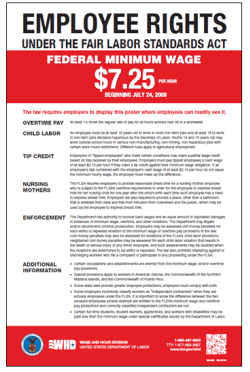
The baseline is federal wage law, not store preference. Under the Fair Labor Standards Act, covered nonexempt employees generally must be paid overtime at least one and one-half times their regular rate for hours worked over 40 in a workweek. The rule does not create extra pay just because the shift lands on a Saturday, Sunday, holiday, or regular day of rest, unless those hours push the worker past 40. It also does not cap the number of hours employees age 16 and older may work in a week.
That matters on the sales floor, in the stockroom, and at the service desk because retail schedules are rarely neat. Seasonal surges, freight arrivals, project deadlines, and call-outs can all push a department into overtime territory fast. Once a worker is eligible, the question becomes whether the store tracked the time correctly and whether managers approved and scheduled the hours in a way that keeps payroll clean.
Where overtime trouble usually starts
The hardest part of overtime compliance is not the math. It is the moment-to-moment behavior that creates the math in the first place. Early clock-ins to get ahead of the freight, late punches after closing, rushed meal timing, off-the-clock wrap-up at the end of a shift, and last-minute coverage requests all create pressure points where the time record can drift away from what actually happened on the floor.
That is where managers can get into trouble and where associates can end up with pay that does not match their effort. If a department lead asks someone to stay late to finish a contractor order, straighten an aisle, or help a pro customer load out, that time should be treated as real work time. If the store is already stretched and the same people keep taking extra hours, that is often a staffing signal, not just a busy week.

The practical lesson for associates is simple: watch your own hours closely. For managers, the lesson is just as direct: do not wait until payroll problems surface after the fact. The store is usually more likely to stay compliant when overtime is handled as a scheduling decision, not a last-minute rescue tactic.
Why exact punches changed the stakes
Home Depot changed its hourly pay practice nationwide effective Jan. 16, 2023, and the shift was not cosmetic. The company said hourly associates would be paid based on exact time punches, to the nearest minute. Before that change, it said it rounded total shift time up or down to the nearest 15 minutes.
That switch makes pay accuracy more sensitive to the small things that happen around the edges of a shift. If a worker clocks in a few minutes early, stays a few minutes late, or takes time that does not line up with the punch record, those minutes matter more than they used to. For hourly associates, that means the punch record is not just an attendance record. It is the record that drives the paycheck.
For managers, exact punches should sharpen discipline around scheduling and supervision. If the store keeps seeing the same patterns, the answer is not to shrug them off as harmless noise. It is to clean up the schedule, make sure meal and rest timing is handled properly, and stop relying on informal understandings that never make it into the time system.
How smart supervisors use overtime data
Overtime can be a pressure relief valve, but it is also a warning light. Good supervisors use it to see where the department is thin, where training is missing, and where a few people are carrying too much of the load. If the same associate keeps getting the late-night finish or the freight call, the issue may be cross-training, not just commitment.
That is especially important in a store where experience really matters. The people who know where product lives, how to solve a contractor problem quickly, and how to keep a pro customer moving are often the same people who get pulled into extra coverage. Stable, predictable scheduling helps keep those experienced workers on the floor, which helps customer service and reduces the kind of burnout that leads to mistakes, complaints, and turnover.
Early communication is part of the fix. If managers wait until the end of the day to ask for help, they create the exact kind of schedule chaos that produces overtime disputes. Clear advance planning, better cross-training, and a willingness to look at overtime as a pattern instead of a one-off can keep a department running smoother and make payroll easier to defend.
What associates should do when time or pay looks off
Associates do not need to become payroll experts, but they do need to stay alert. Check your hours, compare the schedule against the punches, and ask questions as soon as something changes. If a late coverage request or split shift affects what you expected to earn, bring it up before the week closes if possible.
Home Depot’s Code of Conduct gives workers several ways to raise concerns. Associates can go to an immediate manager or supervisor, an HR partner, Home Depot Corporate Compliance, or report anonymously through THD AwareLine. That matters because timekeeping problems are often easiest to fix when they are caught early, before they become a pattern or a paycheck surprise.
The larger point is straightforward. Overtime is not just a labor cost, and it is not just a perk. In a Home Depot store, it is a compliance issue, a scheduling issue, and a morale issue all at once. When managers control it well, the store protects pay, avoids needless burnout, and keeps the right people where the work and the customers are.
This article was produced by Prism’s automated news system from verified source data, official records, and press releases, then run through automated quality and moderation checks before publishing. The system is built and supervised by the people who set the standards it runs under. Read our full AI policy.
Did this article answer your question?