Home Depot profit falls as cautious shoppers delay big projects
Home Depot’s profit slipped to $3.29 billion as shoppers kept buying repairs and refreshes but held back on bigger remodels.

Home Depot said first-quarter fiscal 2026 net earnings fell to $3.29 billion, or $3.30 per diluted share, even as sales climbed 4.8% to $41.77 billion and comparable sales rose 0.6% overall and 0.4% in the U.S.
The Atlanta-based retailer said demand was broadly similar to fiscal 2025, but consumers grew more cautious as housing affordability stayed under pressure and the housing market remained subdued. Ted Decker said customers were deferring larger remodeling projects, a pattern that leaves store teams selling more repair, maintenance and smaller refresh jobs while bigger ticket work takes longer to close. Home Depot also reaffirmed its fiscal 2026 guidance after the quarter, signaling that management sees the slowdown as a shift in purchase timing rather than a collapse in demand.
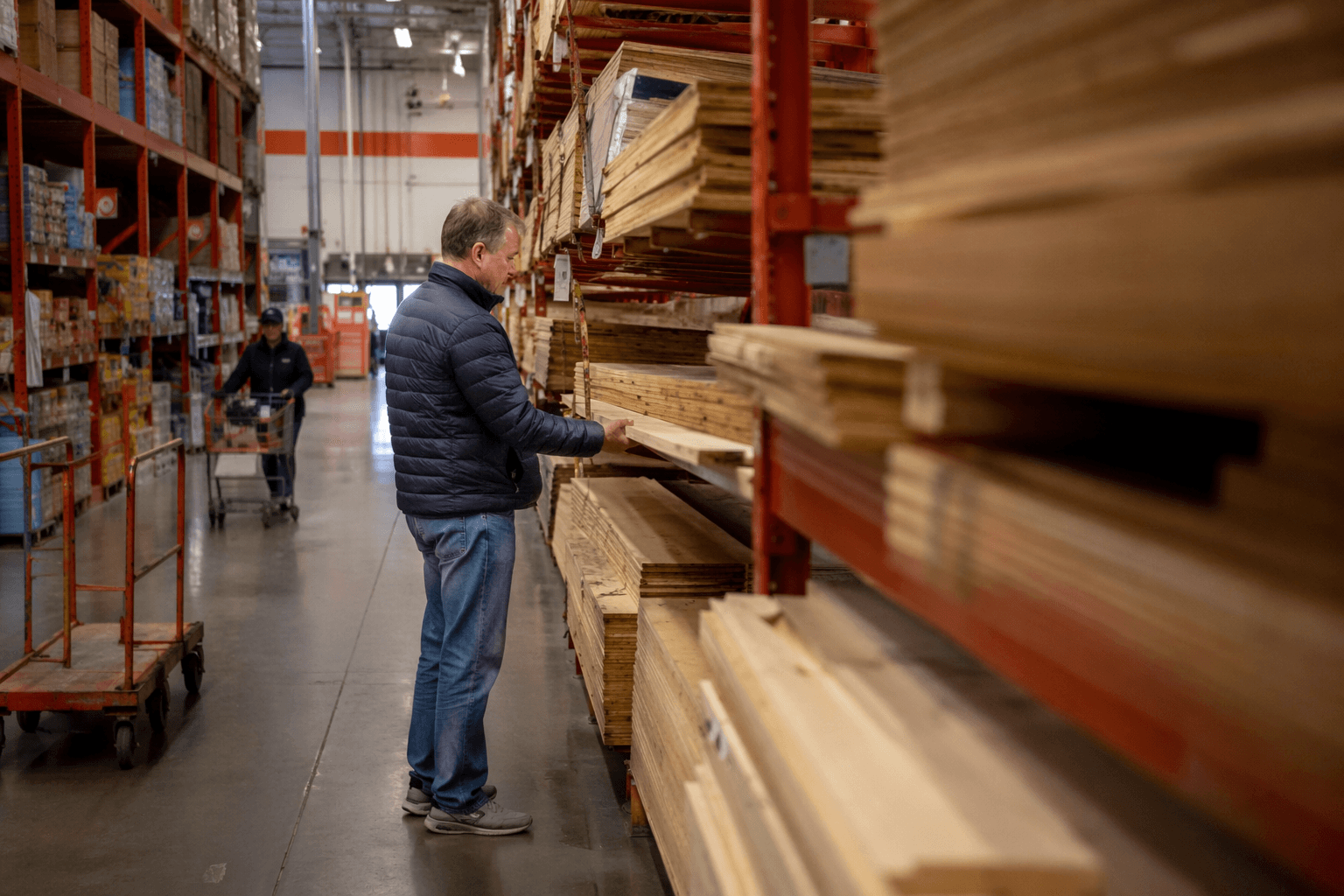
Richard McPhail, the company’s chief financial officer, has framed the customer as financially resilient but only willing to go so far. That matters on the sales floor and at the pro desk, where associates often see the difference between a shopper replacing a water heater or patching a roof and one ready to commit to a full kitchen, bath or flooring project. When confidence weakens, the smaller jobs still move, but the large remodels that drive deeper carts and more coordinated selling can get pushed out.
The quarter came against a sluggish backdrop that has already limited growth. In fiscal 2025, Home Depot posted $164.7 billion in sales and $14.2 billion in net earnings, with comparable sales up just 0.3% companywide and 0.5% in the U.S. Neil Saunders of GlobalData said the company is still navigating a weak housing market and constrained consumer spending well, but the pressure is now showing up in what shoppers choose to buy, not in whether they walk through the doors.

Home Depot remains the world’s largest home improvement specialty retailer, with more than 2,300 stores across the U.S., Canada and Mexico. For store leaders, the read-through is clear: the customer base is still there, but big projects are taking longer to start, and the near-term mix is leaning toward the repairs and maintenance work that keeps trades-minded associates busy while the housing market waits for clearer footing.
This article was produced by Prism’s automated news system from verified source data, official records, and press releases, then run through automated quality and moderation checks before publishing. The system is built and supervised by the people who set the standards it runs under. Read our full AI policy.
Did this article answer your question?