Home Depot says most of its code is written by associates
Home Depot says its own associates write most of the code, and half of U.S. online orders still move through stores.
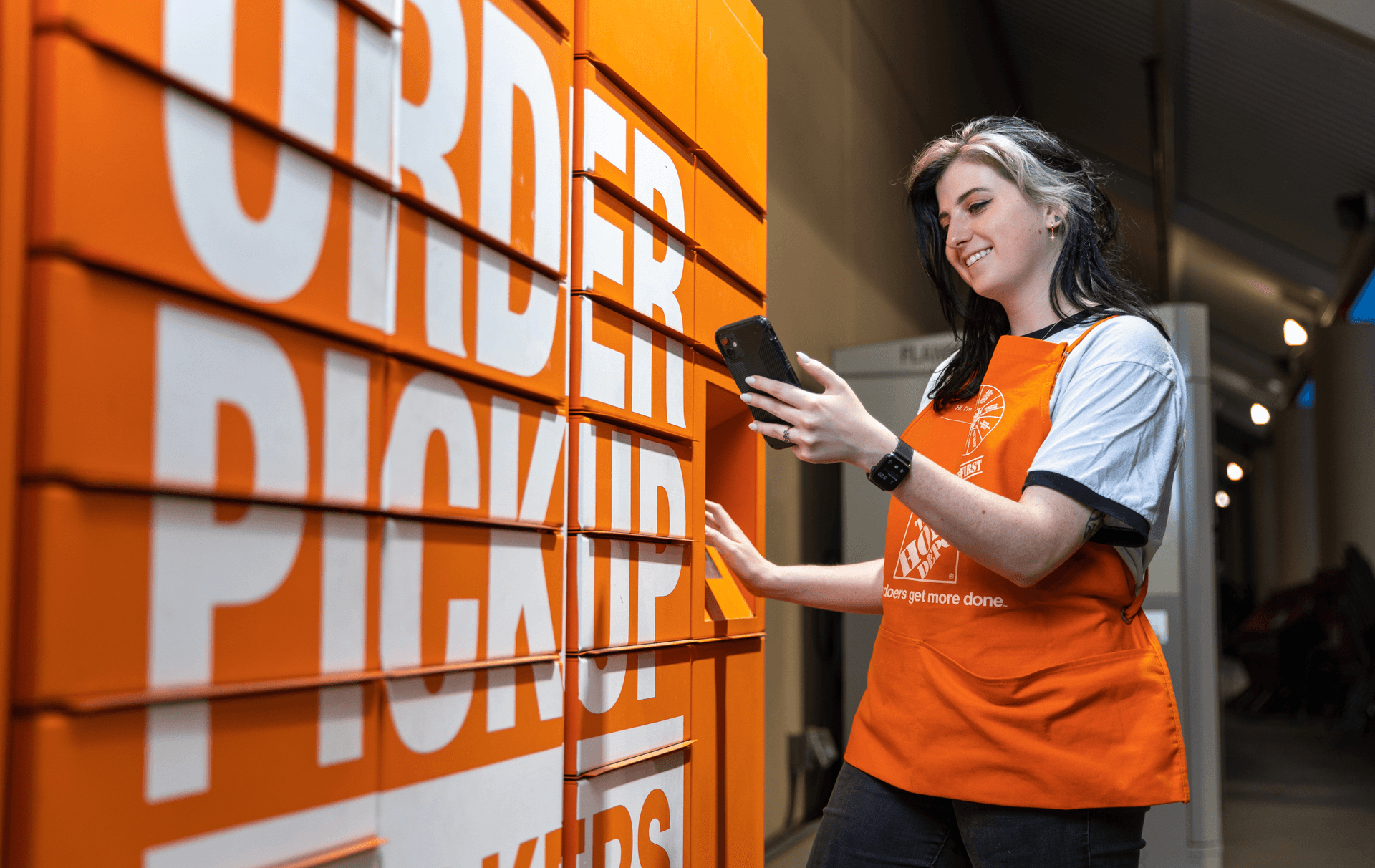
Home Depot wants its technology jobs to look a lot more like the sales floor than a distant software lab. The company says most of its code is written by Home Depot associates, and that matters because nearly 50% of U.S. online orders were fulfilled through a store in fiscal 2025.
That is the clearest sign yet that store operations, e-commerce and software are one system inside the company, not separate businesses. Home Depot’s technology organization uses agile methods, paired programming, balanced teams and a customer-back engineering approach, a setup designed to move ideas quickly while keeping frontline use cases in view. In practice, that touches the tools associates rely on every day: search, inventory visibility, order flow and the handoff between a digital cart and a physical aisle.

Angie Brown, Home Depot’s executive vice president and chief information officer, oversees technology strategy, software development, cybersecurity and infrastructure across more than 2,300 retail stores, supply chain facilities, store support centers and online systems. Jordan Broggi, who leads customer experience and online, sits in the same orbit at the senior level. The message is simple: the company is managing digital and store operations as connected work, and it needs people who understand how a project moves from a screen to a truck, a pickup bay or a checkout line.
That creates a real internal-mobility path for associates who know the business from the ground up. Store leaders, department supervisors and workers who have spent years around pro customers, inventory problems and seasonal rushes already understand the pressure points that software has to solve. Home Depot’s cybersecurity page shows how broad those jobs can be, ranging from identity and access management to security operations, risk assessment, governance and internal threat operations. It also says the cybersecurity team works both remote and onsite across 10 service areas.
Amy, a cybersecurity director, offers the clearest example of that kind of move. She joined because the culture matched her values and now leads work that includes firewalls, infrastructure projects and network security operations. Her role is a reminder that Home Depot is not only hiring coders. It is building long-term technical careers around business problems, reliability and scale.
The same logic is showing up in AI. On January 11, 2026, Home Depot and Google Cloud expanded their partnership at NRF 2026 with agentic AI tools meant to give real-time help to homeowners and professional customers. On January 26, the company launched Material List Builder AI for pros. On March 30, it rolled out Blueprint Takeoffs for faster estimates. And on April 22, Home Depot said it was replacing traditional phone menus with an AI voice agent for calls to U.S. stores.
Taken together, the strategy is clear: the company is using associates who know the work, from stores to code, to shape the tools that now sit between customers and the business. In fiscal 2025, Home Depot reported sales of $164.7 billion and net earnings of $14.2 billion, a scale that makes those technical bets hard to separate from the rest of the operation.
This article was produced by Prism’s automated news system from verified source data, official records, and press releases, then run through automated quality and moderation checks before publishing. The system is built and supervised by the people who set the standards it runs under. Read our full AI policy.
Did this article answer your question?