Home Depot shoppers grow more cautious as job fears rise
Job fears and tighter credit are making shoppers second-guess big remodels, even as home values keep some projects alive. The New York Fed saw layoff worry rise and job-finding confidence slip.
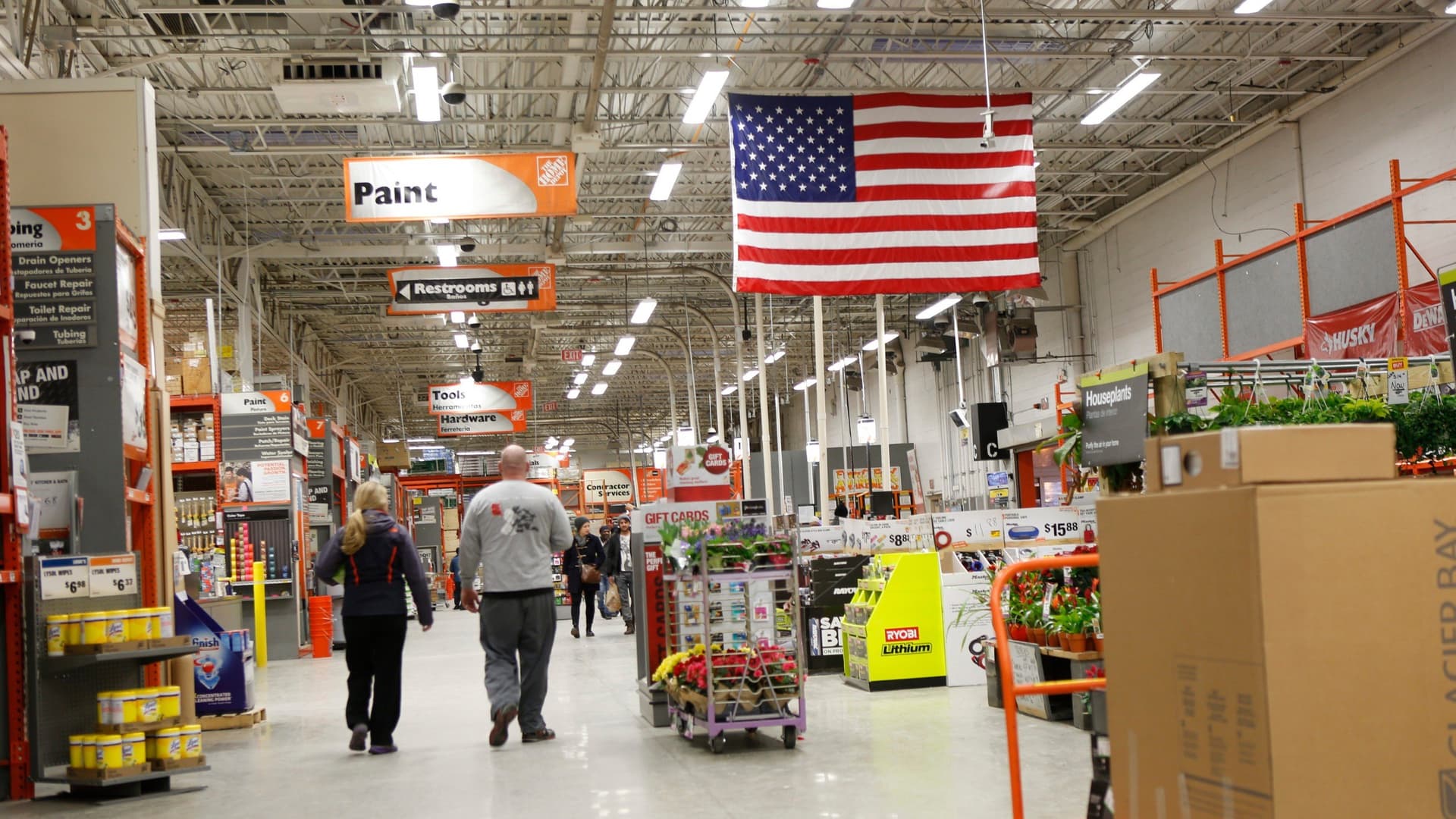
Home Depot associates are likely to feel the slowdown first at the service desk, in the appliance aisle and on the pro counter: customers are getting more cautious about jobs, credit and financing. A new Federal Reserve Bank of New York reading showed households turning more uneasy about their finances and future work prospects, a combination that can push shoppers away from large, debt-dependent renovations and toward smaller repairs they can pay for now.
The New York Fed said the median one-year-ahead home price growth expectation rose to 3.5 percent in May, the highest since July 2022. But that same survey also showed the mean perceived probability of finding a new job after a layoff falling to 43.7 percent, the lowest since December 2025, while the expected quit rate rose to 20.8 percent, the highest since February 2023. In plain terms for store teams, some customers still feel supported by home equity, but more are likely to hesitate before taking on a full kitchen redo, a big flooring job or other financing-sensitive purchases.
The survey was fielded from May 1 through May 31 and tracks views on inflation, job prospects, earnings growth, future spending and access to credit. That timing matters because it captures how households were feeling just before June began. One-year-ahead inflation expectations slipped to 3.5 percent, but rent expectations remained elevated at 7.4 percent, another sign that basic household budgets are still under pressure even as some price fears ease.

For associates and department leads, the signal is less about whether customers stop spending altogether and more about how they spend. A shopper who once came in for a whole-home remodel may now ask more questions about financing, spread a project across multiple trips or break work into stages. The mix on the floor is likely to lean more heavily toward necessity repairs, maintenance and lower-cost improvements, while discretionary upgrades get deferred until workers feel steadier about employment and borrowing.
That pattern lines up with what Atlanta-based Home Depot said on May 19, when it said Americans were scaling back large remodeling projects amid macroeconomic uncertainty and a subdued housing market. In its first-quarter fiscal 2026 results, the company reported sales of $41.8 billion, up 4.8 percent from a year earlier, and it reaffirmed its fiscal 2026 guidance. For store managers, the read-through is clear: keep coaching teams to spot the difference between a customer shopping for a must-fix problem and one who is still willing to buy, but only after the price, payment and project scope feel manageable.
This article was produced by Prism’s automated news system from verified source data, official records, and press releases, then run through automated quality and moderation checks before publishing. The system is built and supervised by the people who set the standards it runs under. Read our full AI policy.
Know something we missed? Have a correction or additional information?
Submit a Tip