Home Depot stores watch manufacturing report for supply chain friction
A mixed manufacturing read can hit Home Depot stores weeks later as uneven replenishment, tighter seasonal inventory, and more pressure to keep Pro promises.
What the manufacturing report tells the floor
A manufacturing report can look abstract from the outside, but on the Home Depot floor it works like an early warning light. When the factory picture is mixed, stores often feel it later as uneven replenishment: some categories keep moving, while others slow down, arrive in smaller runs, or shift around in delivery timing. That is the kind of friction associates notice first in the aisle and at the service desk, not in a spreadsheet.
The value for store teams is not in decoding every subindex. It is in asking a simple, practical question: does the report point to easier replenishment or more friction ahead? If the answer leans toward friction, department leads have a reason to tighten communication with buyers, watch shelf conditions more closely, and prepare associates to answer availability questions with straight talk instead of guesses.
Where the strain shows up first
The categories most likely to feel the pressure are the ones tied to seasonal demand and imported supply. That includes patio items, décor, certain tools, flooring components, and appliances, all of which can become harder to keep balanced when manufacturing is uneven. A store may still have product coming in, but the timing can get choppy enough that displays, backroom inventory, and customer promises stop lining up cleanly.
For associates, that means the day-to-day work changes fast. One week a department looks full, the next week the same bays depend on a different shipment pattern, fewer unit runs, or a delayed truck that forces managers to juggle what is visible, what is reserved, and what can safely be sold. In practice, this is where a dry economic report becomes a real store issue: empty hooks, short pallet counts, and a much tighter margin for error on high-visibility items.
How department leads should respond
Department leads do not need to turn into economists to use the report well. They need to translate it into store discipline. If factory conditions suggest friction, the job is to get ahead of it before customers start asking why an item moved from available to delayed. That means checking in with buyers, paying attention to what is actually on the shelf, and making sure the team is giving the same answer about timing and availability.
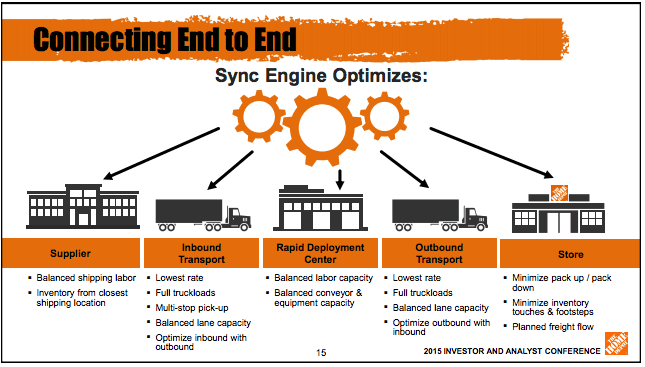
The most useful stores are the ones that keep information current. They do not leave sales, receiving, and fulfillment operating on different versions of the truth. They build clear handoffs so an associate who sells the product, a receiver who sees the truck, and a fulfillment teammate who sets the pickup promise are all working from the same picture. When that breaks down, the customer feels it immediately as confusion, missed expectations, or a bad pickup experience.
Why Pro customers raise the stakes
The manufacturing report matters even more in Pro because contractors hate uncertainty. They are working against job schedules, crew time, and customer deadlines, so a missing item or a shifting delivery date can damage trust fast. If suppliers are uneven, store teams need to be more disciplined than usual about substitutions, special orders, and pickup promises.

That discipline starts with clear communication, not overpromising. If a substitution is necessary, the associate needs enough product knowledge to explain why it works. If a special order is the better path, the team needs to be honest about timing. And if a pickup promise is being made, the store has to make sure the handoff from sales to fulfillment is tight enough that the contractor does not arrive to find a gap between what was sold and what is actually staged.
What it means for customer conversations
This is where the manufacturing signal becomes a service issue. When replenishment is uneven, customers will ask why one color, size, or model is available while another is suddenly scarce. The right answer is not jargon or vague reassurances. It is a clear explanation that timing has shifted and that the store is tracking the next arrival as closely as possible.
Associates who stay steady in those conversations protect trust even when the product flow is messy. That matters in categories where shoppers are already making tradeoffs, especially on imported goods and seasonal merchandise. A customer who gets a straight answer about timing is much more likely to wait, substitute, or change the order than one who feels brushed off or misled.
The workforce angle inside the store
There is also a staffing and workload effect that can show up after the supply chain signal. Manufacturing weakness can soften some categories of home improvement demand, but it can also push more shoppers toward repair and maintenance projects if they stay in fix-it mode rather than big-project mode. That changes the mix of questions associates hear and the kind of product knowledge that matters most on the floor.
In that environment, associates need to stay fluent in the products that solve immediate problems fast. The customer at the paint desk, in the plumbing aisle, or at a service counter is often looking for a quick fix, not a long build. If the store is seeing less momentum in some big-ticket categories but steadier repair traffic, managers may need to adjust labor and coaching so the team is ready for fast decisions, quick substitutions, and practical advice under pressure.
What managers should watch next
The best stores treat the manufacturing report as planning intelligence, not Wall Street theater. It helps managers anticipate where the next round of stress may land: a late truck, a tighter seasonal bay, a pro order that needs extra attention, or a receiving team that has to move faster because the next shipment is less predictable than usual.
That makes the report useful for three things at once. It helps stores protect shelf conditions, keep promises realistic, and prepare associates for the kinds of questions that come when product flow gets uneven. In a business built on availability and trust, that is not macro noise. It is a preview of what the next few weeks may feel like on the floor.
This article was produced by Prism’s automated news system from verified source data, official records, and press releases, then run through automated quality and moderation checks before publishing. The system is built and supervised by the people who set the standards it runs under. Read our full AI policy.
Did this article answer your question?