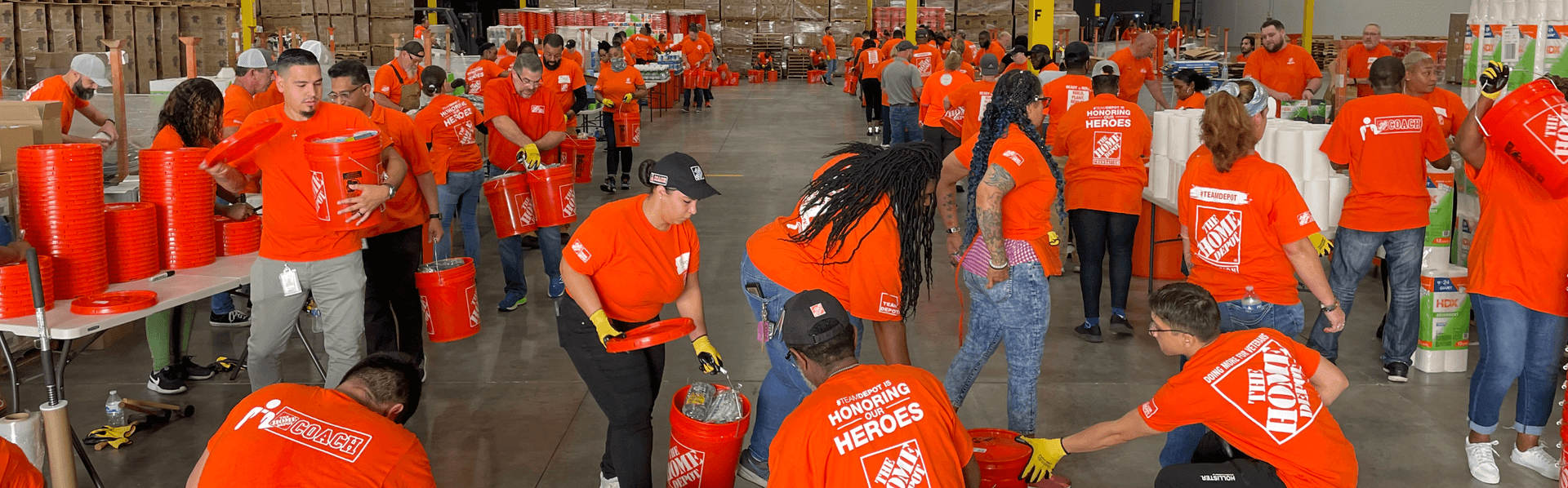
Home Depot ties culture story to associate growth and retention
Home Depot’s culture pitch now doubles as a retention play, tying advancement to pay, training, and a real path from hourly work to broader opportunity.

Growth is the point, not a slogan
Home Depot is using its culture message to make a sharper point to associates: the company wants growth to look like part of the job, not a rare exception. Its May 29 culture story, “Voices of the American Dream: A Story of Growth, Grounded in Culture,” frames advancement as something built through performance, learning, and community, which matters in a retail business where people leave when they cannot see a next step.
That framing is more than branding. In a store environment, associates notice whether culture shows up in scheduling, coaching, recognition, and promotion paths, or whether it lives only in internal messaging. Home Depot’s own materials say its culture helps attract and retain associates and supports customer service and innovation, which tells managers the company sees retention and service as linked, not separate goals.
What the story is really signaling about upward mobility
The useful part of this culture push is that it treats growth as operational. Home Depot is not just saying that associates matter; it is saying the path up is supposed to be visible through the way work gets done every day, from the sales floor to the service desk to the stockroom. For associates, that means the store’s expectations, coaching habits, and recognition practices are part of the career ladder.
The company has said it has eight core values that have guided it since 1979, and that those values help shape a unique culture. In practical terms, that gives managers a framework they can use to explain why execution matters, why product knowledge counts, and why teamwork is not a soft extra in a home improvement store where contractor needs, seasonal rushes, and customer urgency can all hit at once. The message is that culture is supposed to produce reliable behavior, not just morale.
The support systems that make the message credible
Home Depot says it is investing in competitive wages and benefits, plus culture, tools, training, and development opportunities for associates. That combination matters because growth stories fall flat when pay is weak, training is spotty, or internal movement is opaque. The company is trying to show that retention is supported by both material and managerial commitments.
One concrete example appears in the company’s 2025 Living Our Values report: the Field-to-SSC internship. Home Depot says the program gives hourly associates enrolled in school a paid summer experience with leadership development, mentorship, and cross-functional collaboration. That is the kind of internal pipeline associates can actually understand, because it connects current store work to future leadership exposure without pretending everyone advances the same way.
For store managers, that is the model worth copying in smaller ways. A department lead who identifies a strong replenishment associate, a cashier with sharp customer instincts, or a newer team member who learns quickly can make the path clearer by assigning stretch work, explaining standards, and pairing coaching with recognition. Associates are far more likely to stay when they can see that performance can lead somewhere.
Why this matters on the sales floor, not just in corporate messaging
Home Depot’s culture story also works as a management instruction manual if leaders read it that way. The research notes point to concrete floor behaviors that make culture real: how a team handles a stressed contractor, how accurately it executes replenishment, and how well it supports new hires learning the rhythm of the store. Those are not abstract values exercises. They are the daily moments where employees decide whether the company’s promises match the job.
That is especially important in a retailer built around service, trade knowledge, and seasonal demand. Associates who can solve a pro customer’s problem, keep inventory moving, and help a new hire get oriented are doing the work that protects both the customer experience and the company’s retention goals. If leaders want culture to stick, they have to connect it to those behaviors consistently, not only during peak season or during a morale campaign.
The company’s use of orange-apron storytelling in recent culture posts suggests it is deliberately tying identity to the work associates already do. That is a smart move when labor markets are tight and retail jobs can feel interchangeable, because it reminds people that Home Depot wants to be seen as a place where skill and effort can compound over time.
The bigger business reason Home Depot is pushing this now
The scale matters. Home Depot says it operates more than 2,000 retail stores and employs over 400,000 associates in the United States. At that size, turnover is expensive, training gaps are visible, and manager quality can vary from store to store, so a culture message is not just about image. It is a way to standardize expectations across a huge workforce.
The timing also lines up with the company’s financial story. Home Depot reported first-quarter fiscal 2026 sales of $41.8 billion, up 4.8% from the same quarter a year earlier, with comparable sales up 0.6%. That is the commercial backdrop for the culture push: when growth is modest and the business is this labor-intensive, leadership has a strong incentive to keep experienced associates engaged and productive.
The partnership with the Milken Center for Advancing the American Dream gives the story an even broader public-facing frame. Home Depot says the center is a new museum in Washington, D.C., dedicated to stories of perseverance, opportunity, and achievement. That makes the culture piece do double duty: it speaks inward to associates about belonging and advancement, and outward to customers, job seekers, and investors about the kind of employer Home Depot wants to be.
What managers can take from it
The clearest lesson for store leadership is that culture only retains people when it changes the day-to-day experience of work. The company’s message is strongest when it is translated into coaching, fair access to development, and visible pathways from hourly roles into broader opportunities. A culture story can support morale, but only if the store experience confirms it.
That is the real value of this Home Depot narrative. It is not asking associates to be inspired by corporate language. It is trying to persuade them that the company’s values, wages, training, and internal programs can add up to a career path worth staying for, and it is telling managers that retention begins on the floor, not in the press release.
This article was produced by Prism’s automated news system from verified source data, official records, and press releases, then run through automated quality and moderation checks before publishing. The system is built and supervised by the people who set the standards it runs under. Read our full AI policy.
Did this article answer your question?