Home Depot urges powered truck safety, training to protect associates
One shortcut in receiving can jam freight, damage inventory, and injure associates. Home Depot leaders are being pushed to treat truck safety as store performance.
Why powered truck safety belongs in the daily store conversation
A forklift shortcut in receiving is never just a forklift problem. One bad turn can block an aisle, damage inventory, slow unloading, and throw the whole back-end workflow off balance, which is why powered truck safety belongs in the same conversation as freight flow, customer service, and labor planning.
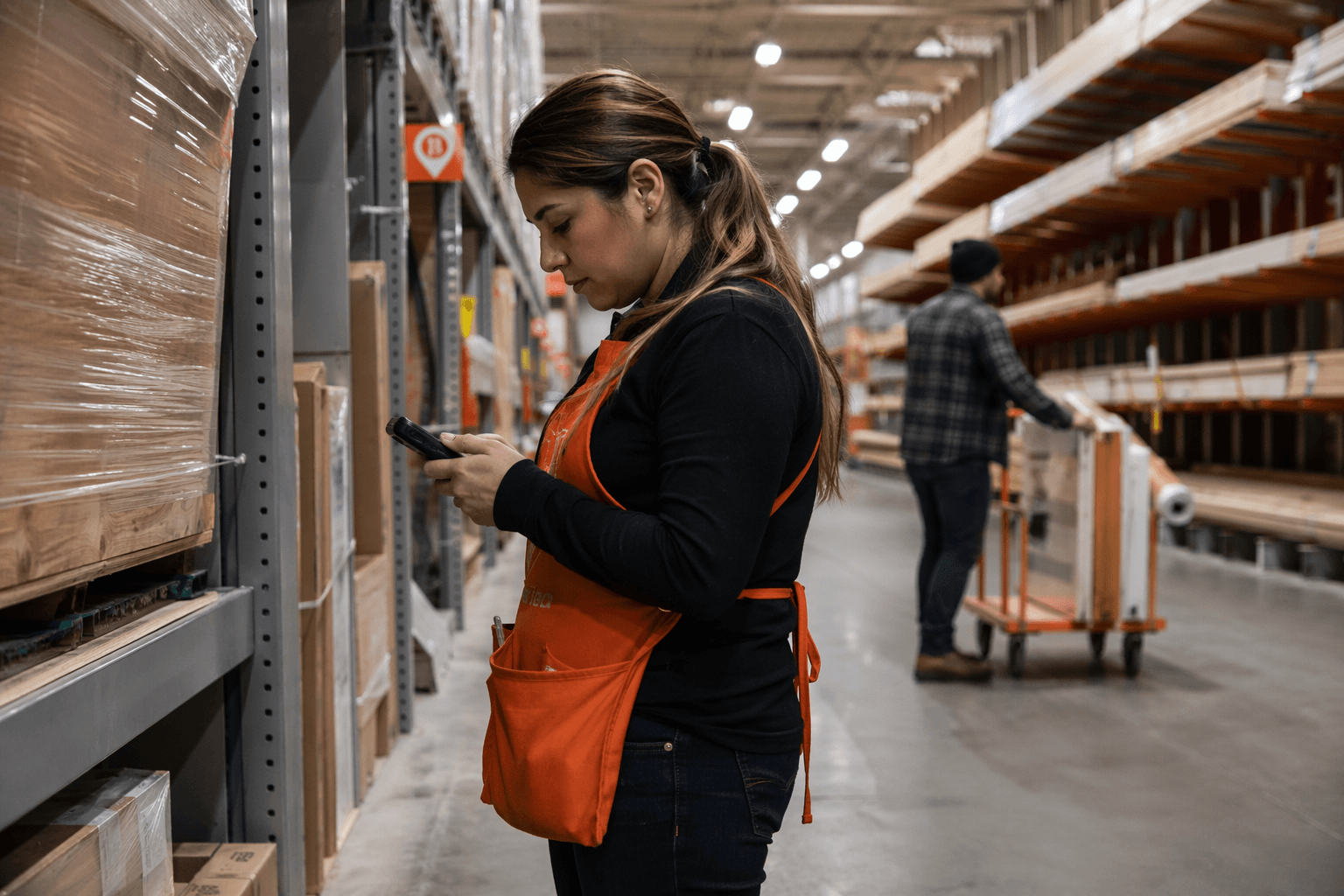
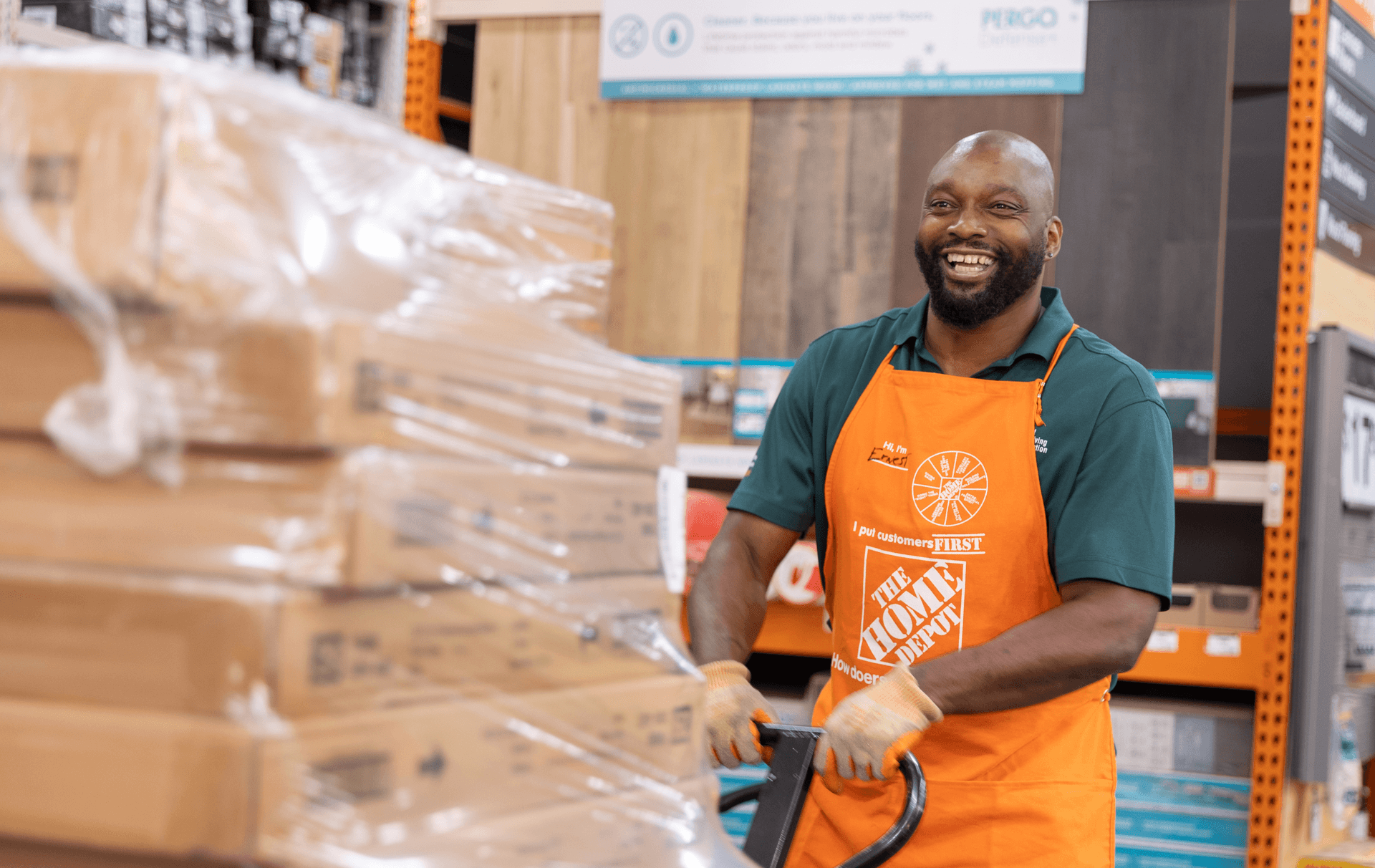
That is especially true at The Home Depot, where Freight/Receiving associates are expected to load and unload trucks, move material from the receiving area throughout the store, and may operate forklifts. In practice, that means the skill is tied directly to how fast product gets to the floor, how smoothly the stockroom runs, and whether the store stays ready for the contractor and DIY rush that never really stops.
What the OSHA standard actually covers
The federal powered industrial truck rule, 29 CFR 1910.178, covers fork trucks, platform lift trucks, motorized hand trucks, and other specialized industrial trucks. It is not a narrow warehouse rule, and it is not just about driving technique. The standard also reaches fire protection, design, maintenance, and use, which is why a safe truck is only part of the picture.
OSHA requires that operators be trained and evaluated, and it is explicit about when refresher training must happen. That includes unsafe operation, an accident or near-miss, a failed evaluation, a change in truck type, or a workplace change that affects safe operation. OSHA also requires a performance evaluation at least once every three years, which makes this a standing responsibility, not a one-time certification event.
For store leaders, that matters because the risk usually shows up in ordinary moments, not dramatic ones. A rushed pallet drop, a blind corner, a pedestrian cutting through a lane, or a load that was not stabilized well enough can turn a routine freight move into a shift-stopping problem.
What associates need to remember on the floor
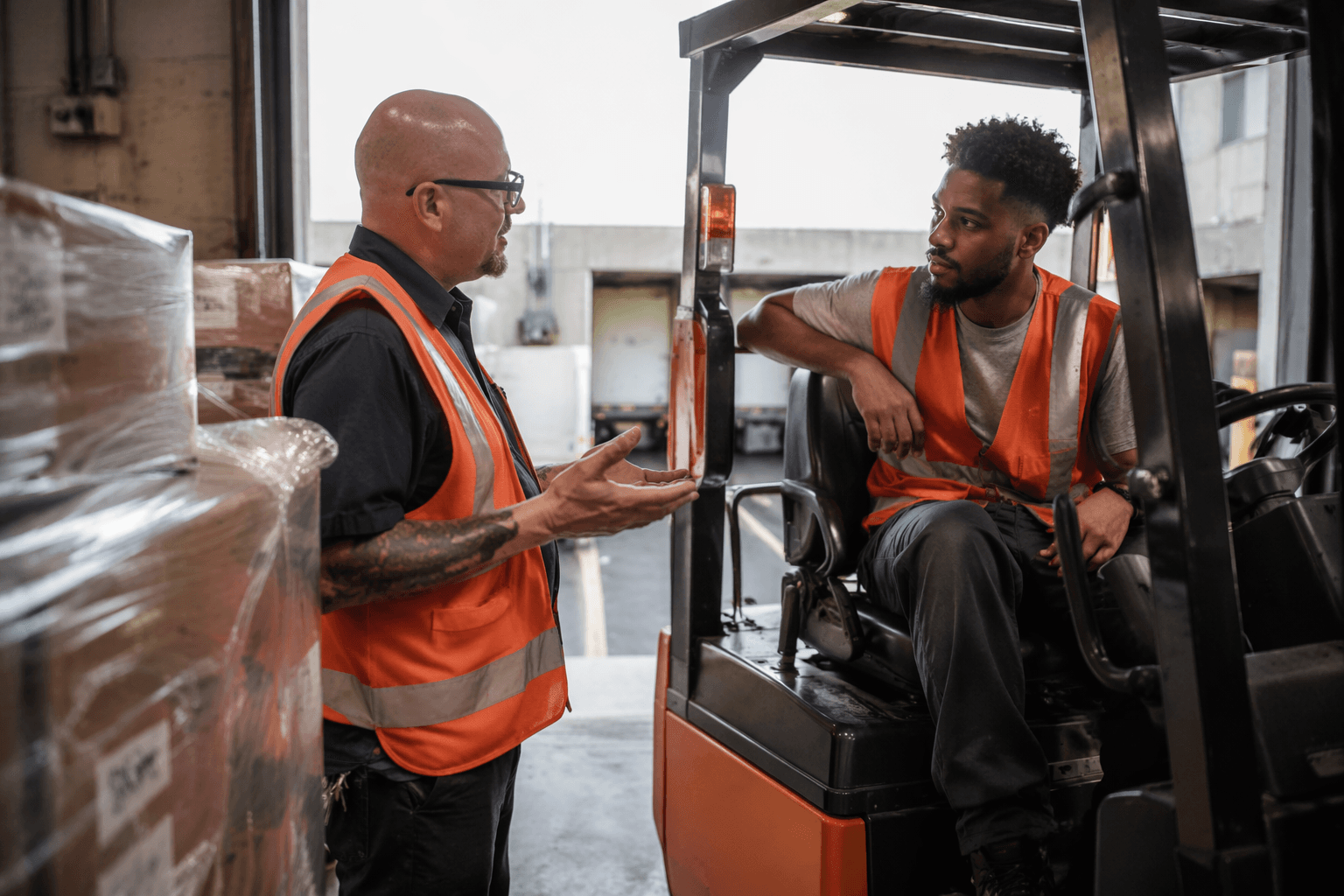
The safest teams treat powered truck work as a shared space problem, not just an operator problem. Associates on foot need to respect pedestrian pathways, stay out of active equipment lanes, and understand that blind spots are part of the machine, no matter how experienced the operator may be.
A few habits matter every day:
- Keep pedestrian and truck traffic separated whenever possible.
- Use a spotter when visibility is limited or the space is tight.
- Control aisles before a move starts, not after someone steps into the path.
- Check load stability before travel and before staging freight.
- Use the right communication habits so the operator and nearby associates know who is moving and who is clear.
That discipline is especially important in receiving, back stock, loading zones, and parking lot handoffs, where the pace can tempt people to shave seconds off a process. In a store environment, those seconds are often borrowed from safety, and the bill comes due later in downtime, damaged product, or injury.
Why managers should treat this like an operations issue
Home Depot’s own annual report says the company is focused on enhancing training and product knowledge to improve the customer experience. That connects directly to truck safety, because a safer stockroom is usually a better-run stockroom. When freight moves cleanly and predictably, associates spend less time recovering from near-misses and more time getting product onto the floor where customers need it.
That is why managers should set clear traffic rules, make pre-shift checks routine, and hold the line on no-shortcuts expectations. If a new associate is not ready for a powered truck task, the answer is not to push them faster. It is to coach them longer, because a few extra minutes of training can prevent a serious incident that would ripple through scheduling, morale, and product availability.
The talent piece matters too. Associates who learn powered industrial truck skills often become more useful in back-of-house work, freight flow, and inventory staging. That can support career mobility inside the store, but only if the skill is built on real training and refresher discipline rather than on-the-job improvisation.
Why the enforcement backdrop raises the stakes
The urgency is not abstract. The National Safety Council says 84 workers died in incidents involving forklifts, order pickers, or platform trucks in 2024. The U.S. Bureau of Labor Statistics now publishes nonfatal forklift-related injury data on a biennial basis, with 2023-2024 as the most recent detailed nonfatal estimate period, so year-to-year comparisons require care.
OSHA’s recent enforcement also shows how quickly powered truck failures can escalate. In December 2024, the agency cited Mitchell Industrial Tire Co. Inc. after a June 2024 fatal forklift incident in Elm Mott, Texas, alleging lack of training and other failures and proposing $288,299 in penalties. The case is a reminder that the same issues leaders try to manage on the floor, training, storage, and safe operation, can become major legal and financial exposure when they are ignored.
For Home Depot stores, that broader enforcement pattern reinforces a simple point: forklift safety is not a compliance box that lives in a binder. It is a marker of operational maturity. Stores that keep powered truck work controlled usually keep freight moving, inventory intact, and associates safer, which is exactly what a high-functioning back end is supposed to do.
What good looks like in receiving and freight
The strongest stores do not wait for a reminder to reset standards. They build powered truck safety into the rhythm of the day, from pre-shift checks to aisle control to final put-away. That means the truck is inspected, the route is clear, the load is stable, and everyone nearby knows the move before it starts.
In a Home Depot store, that kind of discipline protects more than people. It protects stock availability, keeps receiving from becoming a bottleneck, and helps the whole operation stay ready for the next wave of pallets, pro orders, and customer demand. When the back end runs safely, the front end feels it.
This article was produced by Prism’s automated news system from verified source data, official records, and press releases, then run through automated quality and moderation checks before publishing. The system is built and supervised by the people who set the standards it runs under. Read our full AI policy.
Know something we missed? Have a correction or additional information?
Submit a Tip