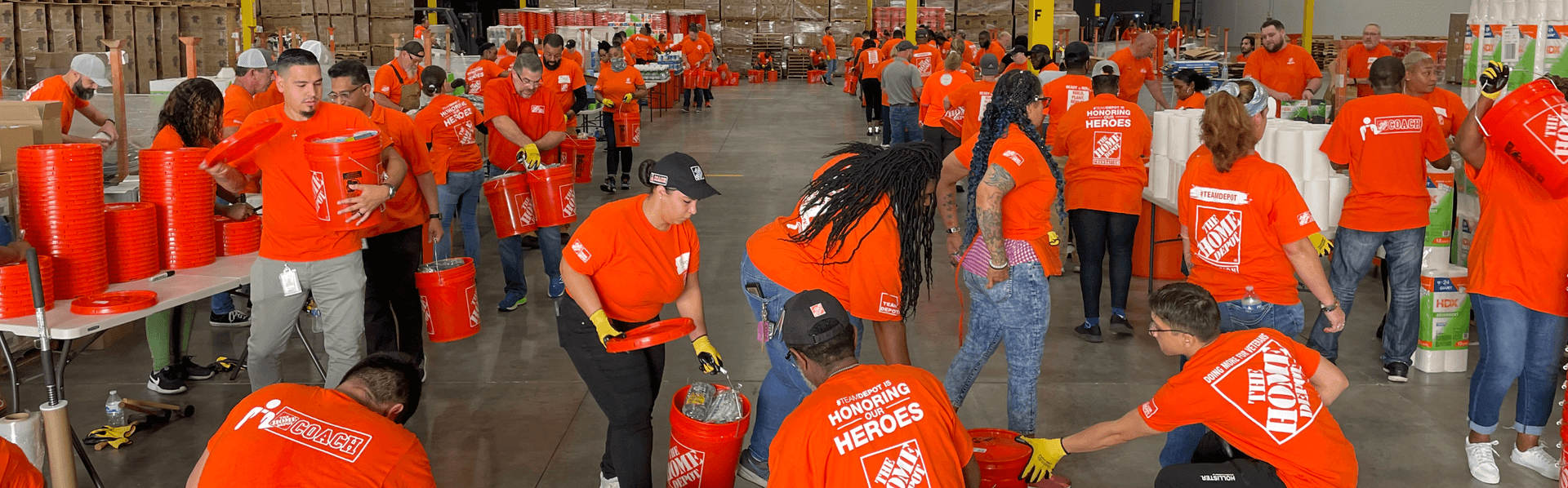
Home Depot workers need clear support for pregnancy and disability requests
Clear pregnancy and disability support keeps Home Depot schedules intact, protects experienced associates, and prevents avoidable turnover.
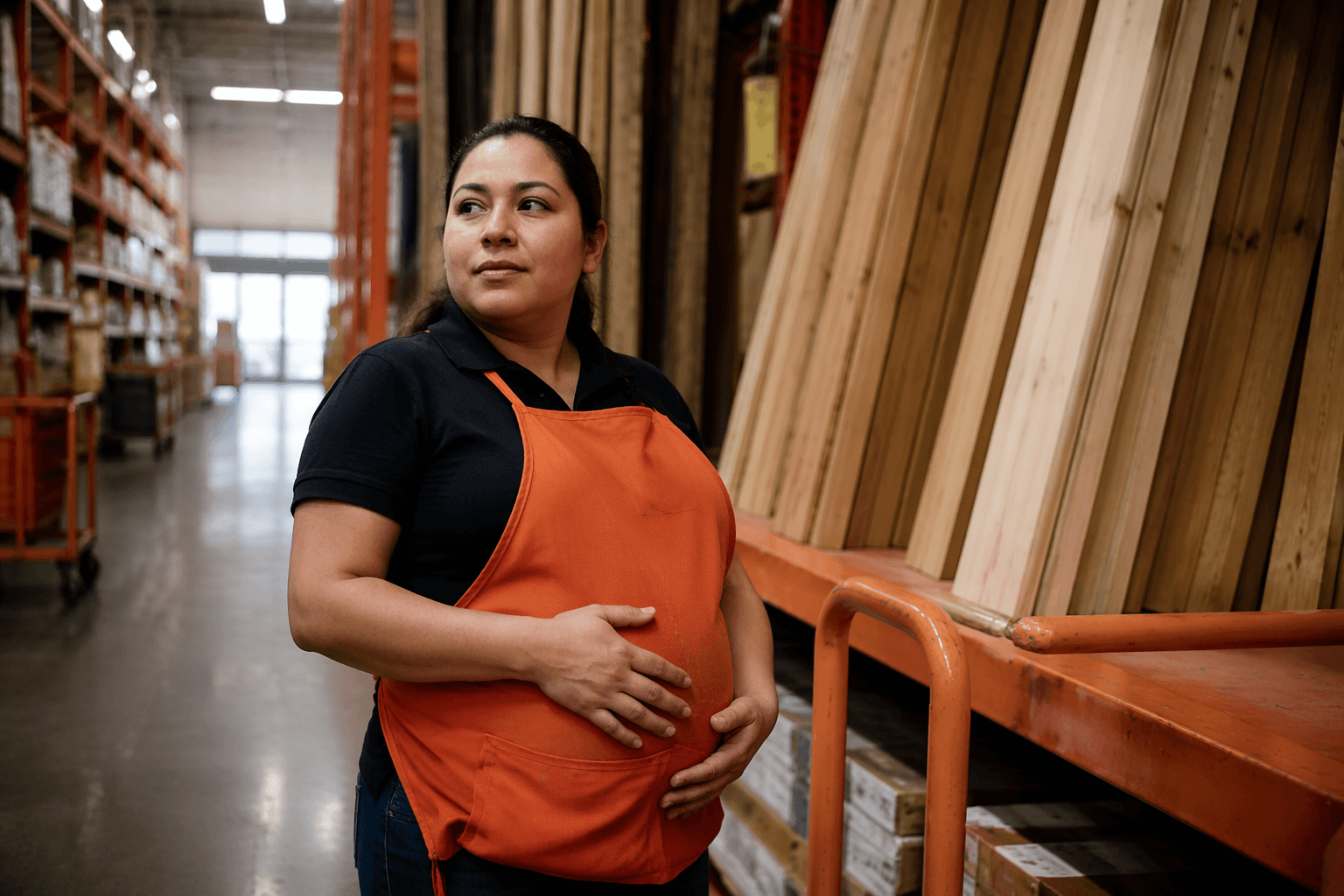
A pregnant associate who cannot keep lifting, standing, or waiting for a fixed break time is not creating a problem for the store. At Home Depot, that request is often the difference between keeping an experienced worker on the floor and losing coverage in a busy department.
What store leaders need to know first
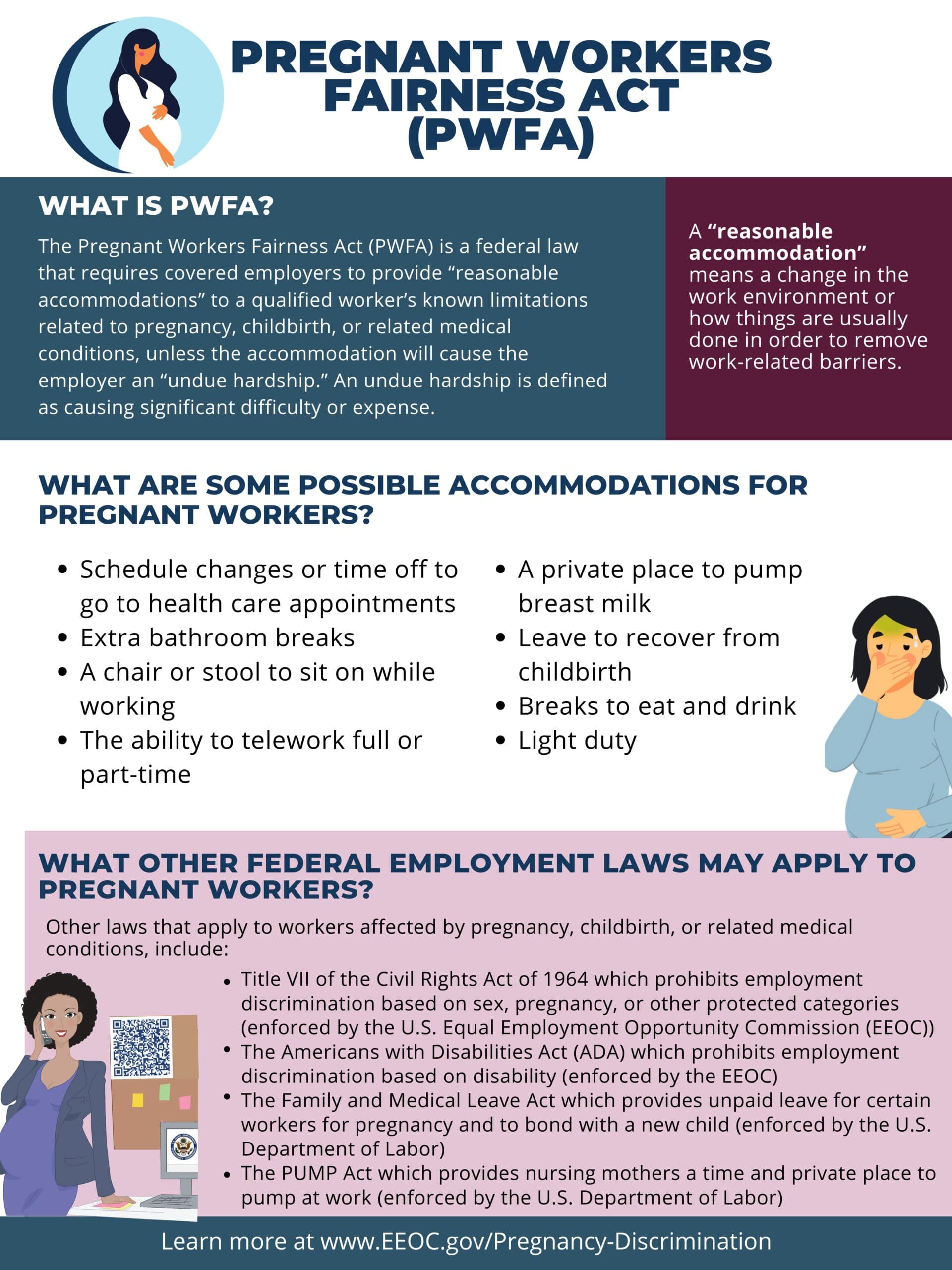
The Pregnant Workers Fairness Act took effect on June 27, 2023, and the EEOC’s final rule followed on April 15, 2024, taking effect on June 18, 2024. Covered employers with 15 or more employees must provide reasonable accommodations for known limitations tied to pregnancy, childbirth, or related medical conditions unless the change would create undue hardship. The EEOC also says employers cannot force a pregnant worker onto leave when another reasonable accommodation would let that employee keep working.
For Home Depot, that is not just a compliance note. It affects who can stay scheduled in paint, garden, freight, pro, the loading area, or at a service desk, and it affects how quickly a store can plug a coverage gap when one associate needs a temporary change. The agency says the rule was meant to give workers and employers more clarity, helping pregnant workers stay on the job and maintain a healthy pregnancy while helping employers understand their duties.
What practical support looks like on the sales floor
The most useful accommodations are usually small and operational. They can include help with lifting, limits on standing, access to hydration, more frequent breaks, temporary task changes, stool access, break timing adjustments, or attendance flexibility when a medical condition affects the shift. Those are not favors. They are the kind of job changes that can keep a trained associate productive while protecting health.
- A worker who cannot handle heavy lifting may need to move off freight or bulk carry-outs.
- A worker who cannot stand for long periods may need a stool at a counter or a different assignment.
- A worker dealing with fatigue, nausea, pain, or another limitation may need shorter carry distances, more break time, or a temporary change in duties.
- A worker seeking disability-related support may need the same practical thinking: identify the task limit, adjust the work, and keep the schedule workable.
In a store built on physical work and fast turn times, these details matter. A stool at the right desk, a break at the right moment, or a lighter assignment for a week can be the difference between a smooth shift and a scramble for backup coverage.
Why consistency matters more than goodwill
Retail accommodation problems rarely start with open hostility. They start with inconsistency. One supervisor may be flexible, another may not know the rules, and the associate is left trying to explain the same limitation twice before lunch. That uneven response creates confusion, slows coverage, and tells the worker that support depends on which manager is on duty.
A better approach is to treat every request as routine workplace problem-solving. Ask what function is affected, what the employee needs, and what changes might keep the person productive and safe. When managers listen early, document accurately, and involve the right internal resources, they reduce the odds that a request turns into a dispute or a rumor on the floor. That matters in stores where paint, pro, receiving, garden, and the loading zones depend on predictable coverage and quick handoffs.
Why this is a retention issue, not just a policy issue
The biggest cost of getting this wrong is turnover. Associates are more likely to stay when they feel supported during pregnancy, recovery, or a disability-related change in their work life. They are less likely to keep asking for help, and more likely to disengage quietly, when every request gets treated like a burden. Over time, that leads to the kind of last-minute absences and staffing holes that leave a team stretched thin.
Home Depot has a particular stake in avoiding that pattern because its business depends on experienced people who know the products, the customers, and the pace of the store. A seasoned associate who can guide a contractor through the right fasteners or help a homeowner compare tools is not easy to replace on short notice. During spring project rushes, contractor-heavy periods, and other busy stretches, one missing associate can ripple across an entire department. Supportive accommodation practices help keep that knowledge in the building.
Why managers need a standard playbook
The federal context matters because it gives store leaders a clearer baseline. The EEOC says the PWFA covers limitations related not just to pregnancy itself, but also childbirth and related medical conditions. That matters in real stores, where the issue may be morning sickness one week, a lifting restriction the next, or a recovery-related limitation after childbirth. It also means managers cannot safely improvise from one case to the next without a consistent process.
There is still debate at the federal level. Then-Acting Chair Andrea Lucas criticized the final regulations and said they stretched the law too broadly. That disagreement is one more reason store leaders should rely on training, documentation, and escalation rather than guesswork. The goal is not to turn department leads into lawyers. It is to keep the store staffed, keep the associate working when possible, and keep decisions aligned from one shift to the next.
For Home Depot, clear support for pregnancy and disability requests is part of operations. It protects health, preserves continuity, and keeps skilled associates from walking out the door when a straightforward adjustment could have kept them in place.
This article was produced by Prism’s automated news system from verified source data, official records, and press releases, then run through automated quality and moderation checks before publishing. The system is built and supervised by the people who set the standards it runs under. Read our full AI policy.
Did this article answer your question?