NAHB says aging homeowners are boosting repair and remodel demand
Older homeowners are staying put, steering Home Depot demand toward repairs, accessibility upgrades and pro-install work instead of more listings.
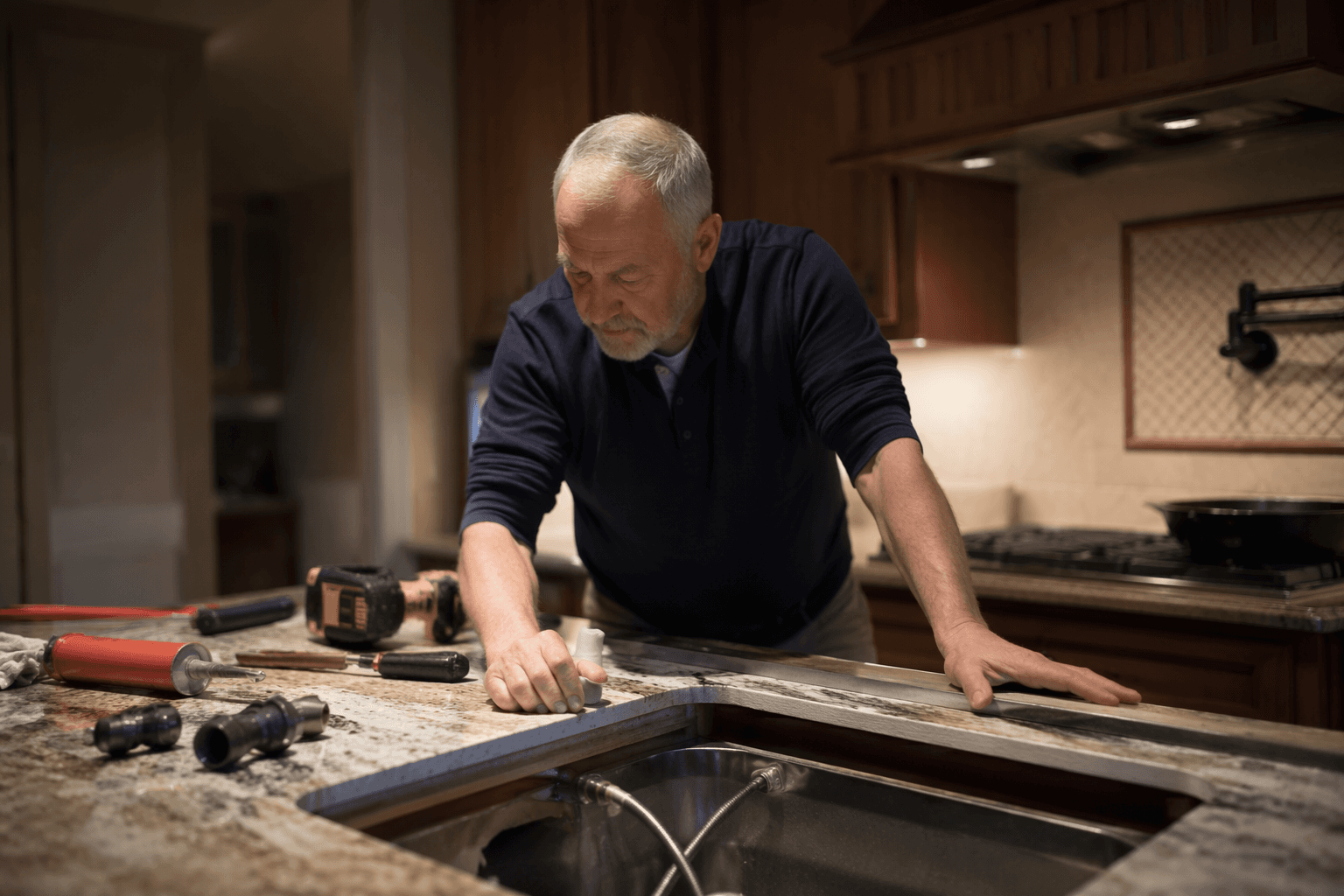
Older homeowners are staying put, and that is pushing demand at The Home Depot away from turnover-driven move-in sales and toward the kinds of repairs, remodels and accessibility projects that keep stores busy year-round. NAHB says 79 percent of Boomers and Silent Generation adults are homeowners, they hold 34 percent of owner-occupied housing units, and roughly two-thirds are mortgage-free.
That matters on the sales floor because it changes what customers are asking for. Instead of a wave of listings freeing up homes, aging households are more likely to invest in the homes they already own, especially in bath, flooring, lighting, paint, HVAC and pro-install services. NAHB Chairman Bill Owens said the “silver tsunami” will not solve the housing shortage on its own, and he argued that expanding supply is more urgent, not less.
The broader housing picture points the same way. NAHB’s 2026 outlook said the U.S. still faces a nationwide shortage of roughly 1.2 million housing units, even as residential remodeling activity is expected to rise 3 percent in 2026 and another 2 percent in 2027, in inflation-adjusted terms. The group also projected single-family starts would increase 1.0 percent in 2026 to 940,000 units. For Home Depot, that suggests remodel demand can stay durable even if new-home traffic remains uneven.
Home Depot’s own Pro Forecast made the same basic call: homeowners holding low-interest mortgages are likely to defer sales and age in place, and the nation’s homes are now reaching a median age of 41 years. That mix favors repairs over relocations, especially when older homes eventually do come to market and need meaningful renovation before they are ready for the next buyer.
The demographic pressure behind that shift is not easing. The U.S. Census Bureau said the share of owner-occupied homes owned free and clear rose from 34.4 percent in 2010-2014 to 39.4 percent in 2020-2024, and it increased in every state and the District of Columbia in 2024. Harvard Joint Center for Housing Studies said the population age 65 and over grew from 43 million in 2012 to 58 million in 2022, while fewer than 4 percent of U.S. homes have the three key accessible features of single-floor living, no-step entries and wide hallways and doorways.
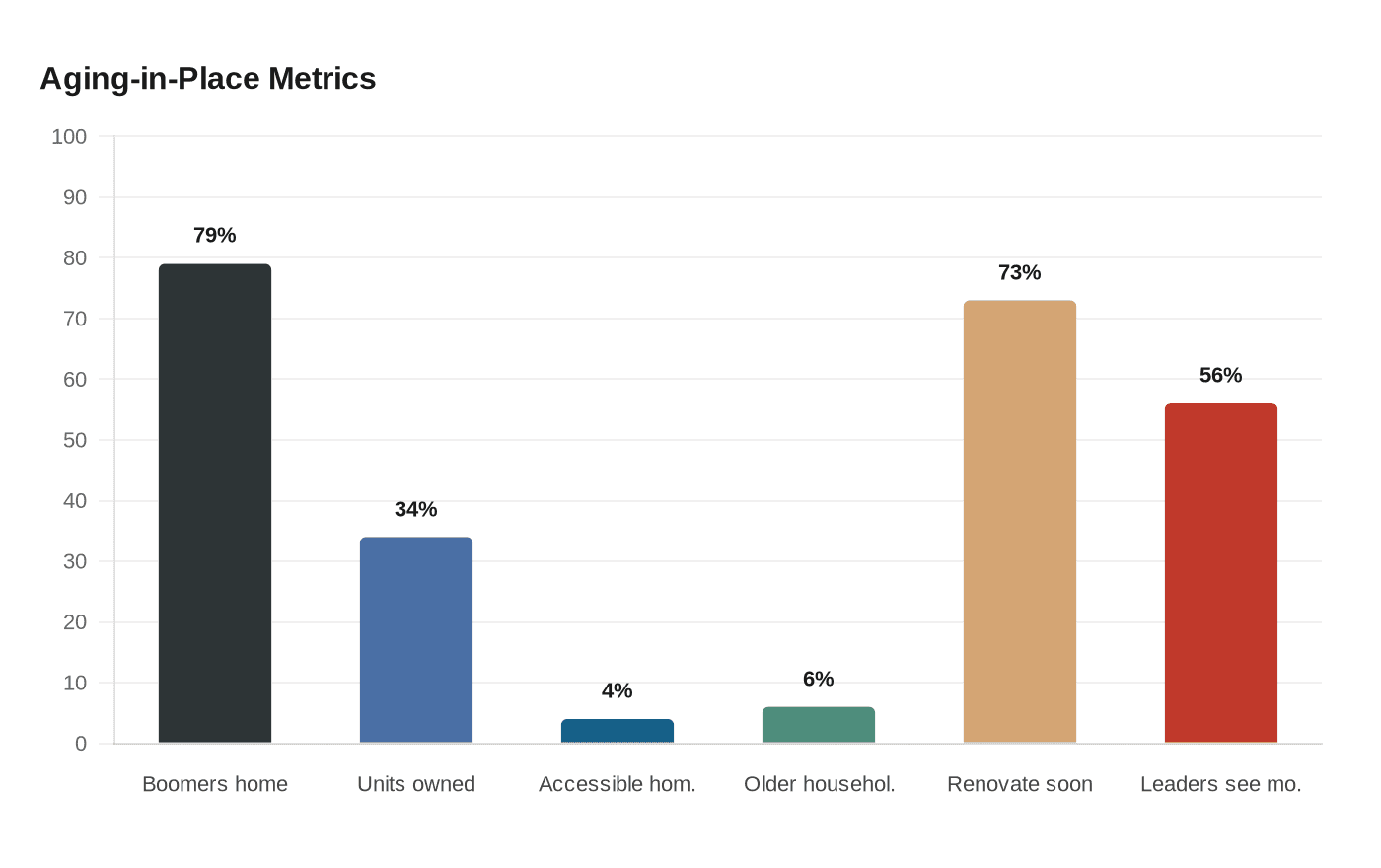
For store leaders, that is a clear sign to keep aging-in-place work front and center. The Census Bureau said about 4 million U.S. households with an adult age 65 or older had difficulty living in or using some features of their home, yet only 6 percent of older households had plans to renovate soon to improve accessibility. NAHB’s 2025 research found 73 percent of industry leaders saw more requests for aging-in-place features over the last five years, and 56 percent of remodelers were already involved in that work. For associates, the business case is straightforward: the tight housing market is not just slowing moves, it is redirecting demand into the aisles and install desks that handle the home repairs people cannot keep putting off.
This article was produced by Prism’s automated news system from verified source data, official records, and press releases, then run through automated quality and moderation checks before publishing. The system is built and supervised by the people who set the standards it runs under. Read our full AI policy.
Did this article answer your question?