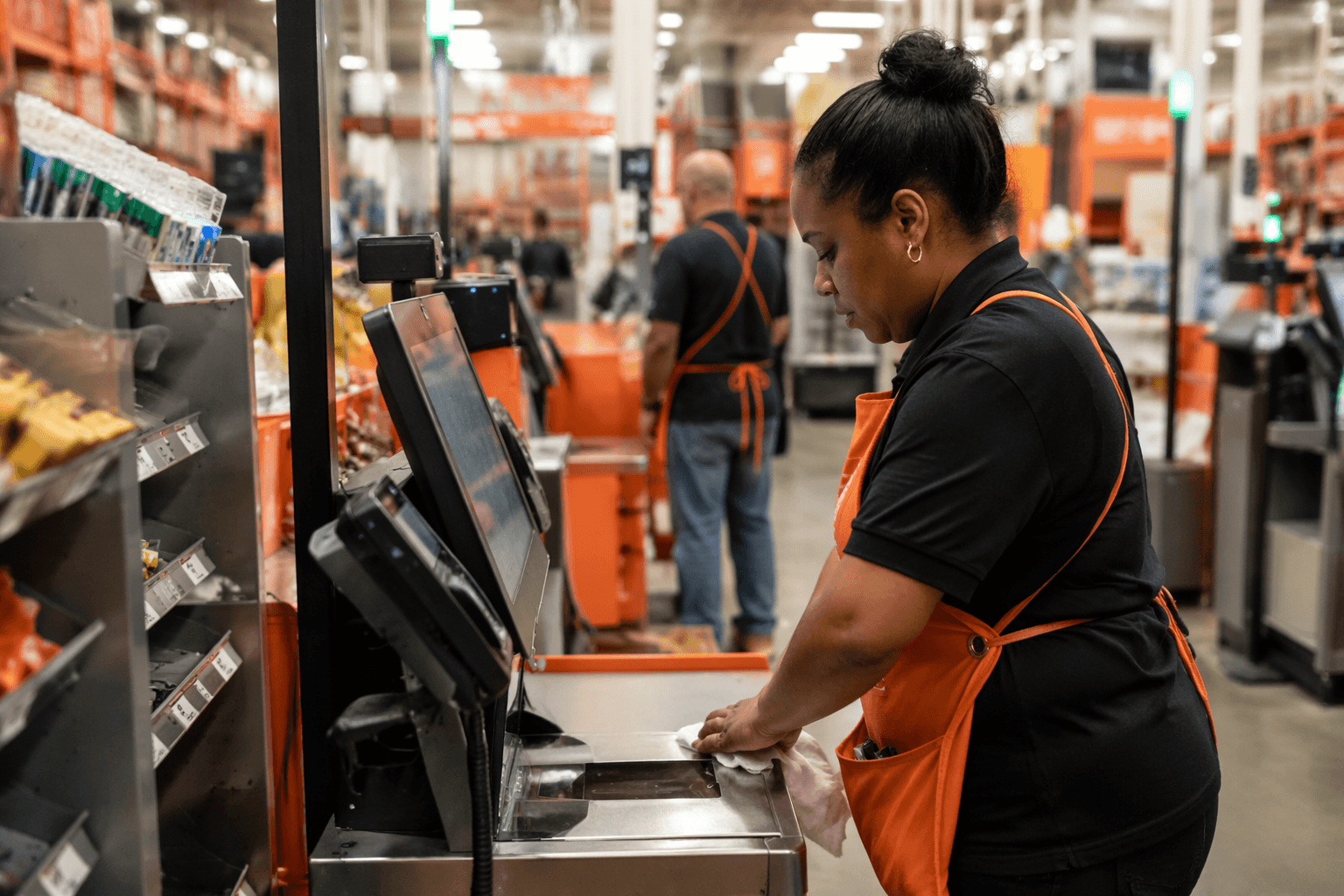
OSHA says Home Depot forklift operators need training, evaluation, certification
Home Depot associates should not operate a forklift without current training, workplace evaluation and certification. OSHA also requires retraining when gaps show up and reevaluation at least every three years.
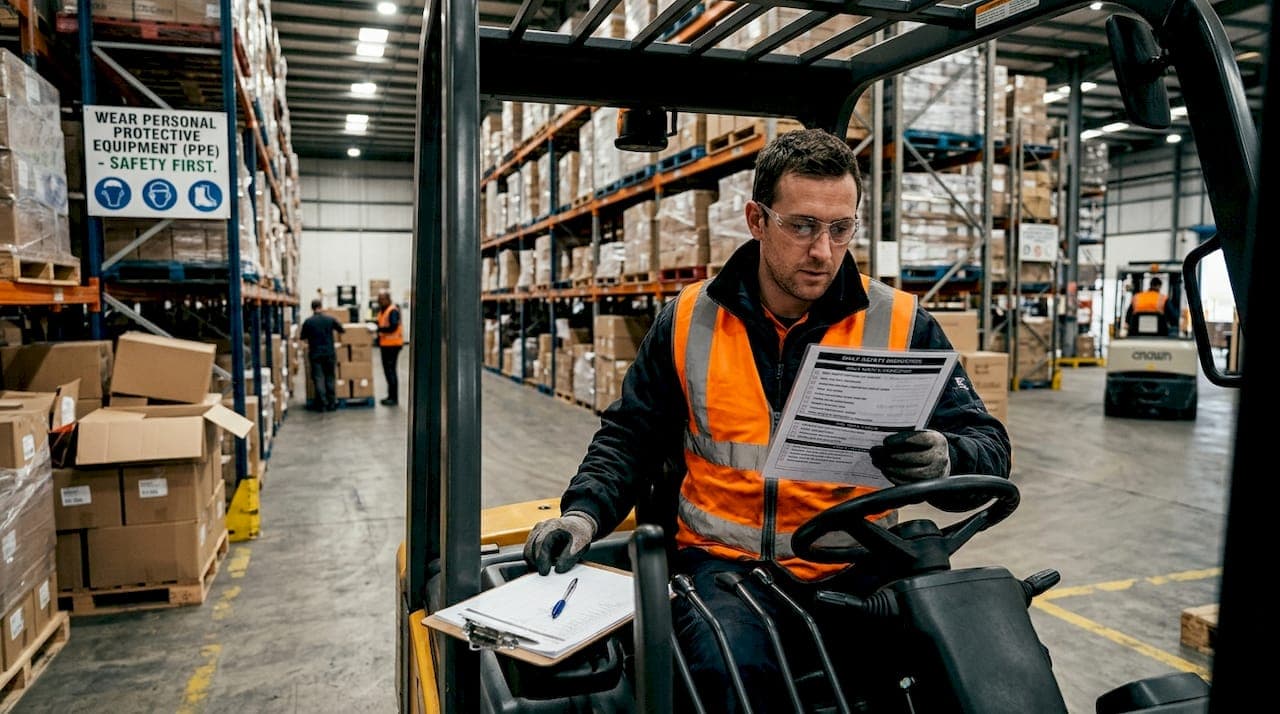
Home Depot associates who are asked to use powered equipment should treat the answer as immediate, not optional: if the training is not current, stop and involve a manager before the truck moves. OSHA’s rule is straightforward for forklift work in stores and warehouses, only trained and certified workers should operate powered industrial trucks, and the employer has to prove that each operator is competent before assigning the job.
What OSHA requires before anyone drives a forklift
OSHA’s standard under 29 CFR 1910.178 puts the responsibility on the employer, not the associate, to make sure a powered industrial truck operator can work safely. That means the training program has to fit the truck being used and the hazards of the workplace, not just a generic orientation that gets someone through a shift.
The required path has three parts. First comes formal instruction. Then comes practical training on the truck itself. Then the worker has to be evaluated in the workplace to show the training actually translates to safe operation. OSHA also says operators must be reevaluated at least once every three years, and retrained whenever deficiencies appear.
For a Home Depot floor or backroom, that matters because forklift use is not a paper exercise. The person in the seat has to be current on the exact equipment and the exact conditions they are driving in, whether that is a store receiving area, a garden center, a lumber aisle, or a distribution dock.
If you are asked to use a forklift without current training
The safest and policy-consistent move is to say no until your training, evaluation, and certification are current. A current forklift credential is not the same thing as having once been shown how to move pallets around, and it is not the same as being comfortable around equipment in a busy store.
Associates should watch for a few clear red flags:
- You have not been formally trained on the specific truck type you are being asked to use.
- You have not been practically trained and evaluated where the work actually happens.
- More than three years have passed since your last evaluation.
- Your manager wants you to operate because the department is short-staffed, even though your records are not current.
- You have developed unsafe habits or made mistakes that point to a deficiency in performance.
If any of that is true, the right next step is to pause the assignment, alert the department lead or manager, and get the training status checked before continuing. The rule is not there to protect paperwork. It exists because a forklift mistake in a retail environment can be immediate and severe.
Why the rule matters in Home Depot stores and warehouses
The Home Depot is built around physical movement, and the scale is enormous. The company’s stores average about 104,000 square feet of enclosed space plus about 24,000 square feet of outside garden area, and it operates distribution and fulfillment centers across the United States, Canada and Mexico. In fiscal 2025, Home Depot reported $164.7 billion in sales and $14.2 billion in net earnings.
That footprint helps explain why forklift safety is a business issue as much as a compliance issue. A truck moving through a backroom or a receiving area shares space with pallet jacks, stocking activity, shelving, customers in some areas, and the normal pressure of a high-volume retail operation. When the pace is fast, even a routine mistake can become a struck-by incident, a crushed foot, or a loss-of-control event.
OSHA’s warehousing guidance is blunt about the most common injuries in the sector. The biggest problems are musculoskeletal disorders from overexertion and injuries from being struck by powered industrial trucks or other material-handling equipment. OSHA also identifies common warehouse hazards that include forklifts, ergonomics, material handling, hazardous chemicals, slip-and-fall risks and robotics. Proper design, planning and training are what keep those hazards from turning into injuries.
For Home Depot managers, that means forklift safety should not sit in a binder somewhere in the office. It has to show up in daily staffing decisions, in how quickly new people are cleared to work, and in whether the store or warehouse is set up to move product without forcing risky shortcuts.
What managers should enforce on the floor
Managers should assume that certification is active only when the documentation and evaluation are current. They should also remember that OSHA’s requirement is competence, not just attendance. If someone has not completed both formal instruction and practical training, that person is not ready to operate powered equipment, even if they have worked in the building for years.
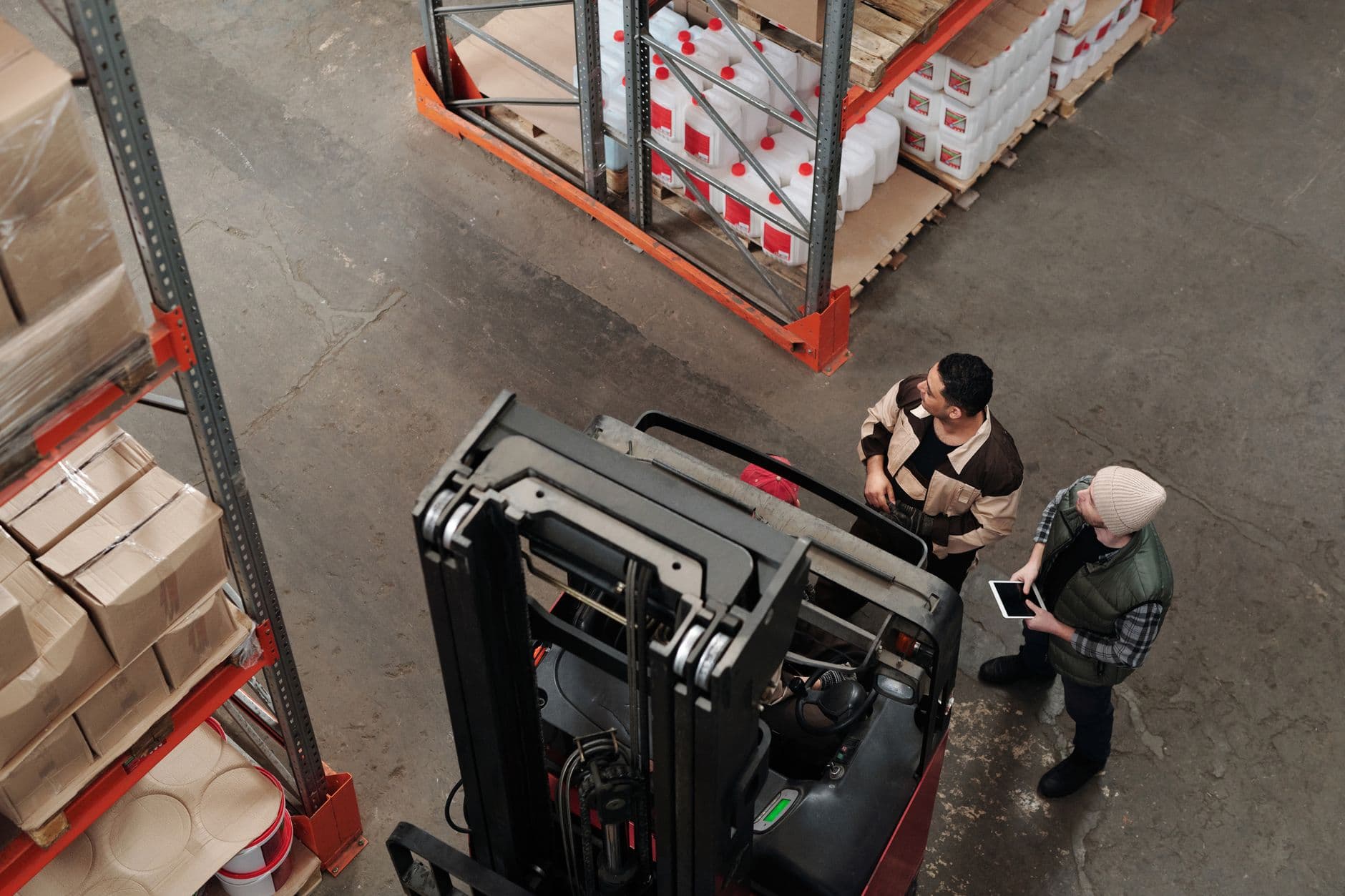
The practical management checklist is simple:
- Confirm the associate has been trained on the actual truck type.
- Confirm the worker has had hands-on practical training.
- Confirm a workplace evaluation has been completed.
- Recheck that the three-year reevaluation is current.
- Retrain as soon as deficiencies appear.
- Stop the task if the workspace, equipment or conditions no longer match the training.
That last point matters in a store that can be crowded, compressed and constantly changing. When product is moving fast and the aisles are tight, the safest system is the one that treats training as a live control, not a one-time event.
The warning in Home Depot’s own safety history
Home Depot has lived under this kind of scrutiny before. In 2019, California’s labor department said a court of appeal upheld Cal/OSHA citations against the company after a warehouse employee suffered a serious foot injury in 2014. OSHA citation records also show a Home Depot establishment tied to inspections in January 2014, which underscores that the company has long operated in the crosshairs of workplace safety enforcement.
Home Depot’s own safety content also treats a worker losing control of a forklift as an example of a workplace incident, which is a useful reminder that near misses are not harmless close calls. They are the warnings that safety systems are supposed to catch before someone gets hurt.
The bottom line for associates and supervisors is clear. If the forklift training is not current, do not operate. If the evaluation is stale, do not operate. If deficiencies show up, retrain. In a business this large, with this much product moving through stores and warehouses, that discipline is what keeps a routine shift from turning into a serious injury.
This article was produced by Prism’s automated news system from verified source data, official records, and press releases, then run through automated quality and moderation checks before publishing. The system is built and supervised by the people who set the standards it runs under. Read our full AI policy.
Know something we missed? Have a correction or additional information?
Submit a Tip