Rhode Island self-checkout law signals new staffing pressure for retailers
Rhode Island now requires one staffed lane for every three self-checkouts, and the employee watching kiosks cannot be pulled onto other work.
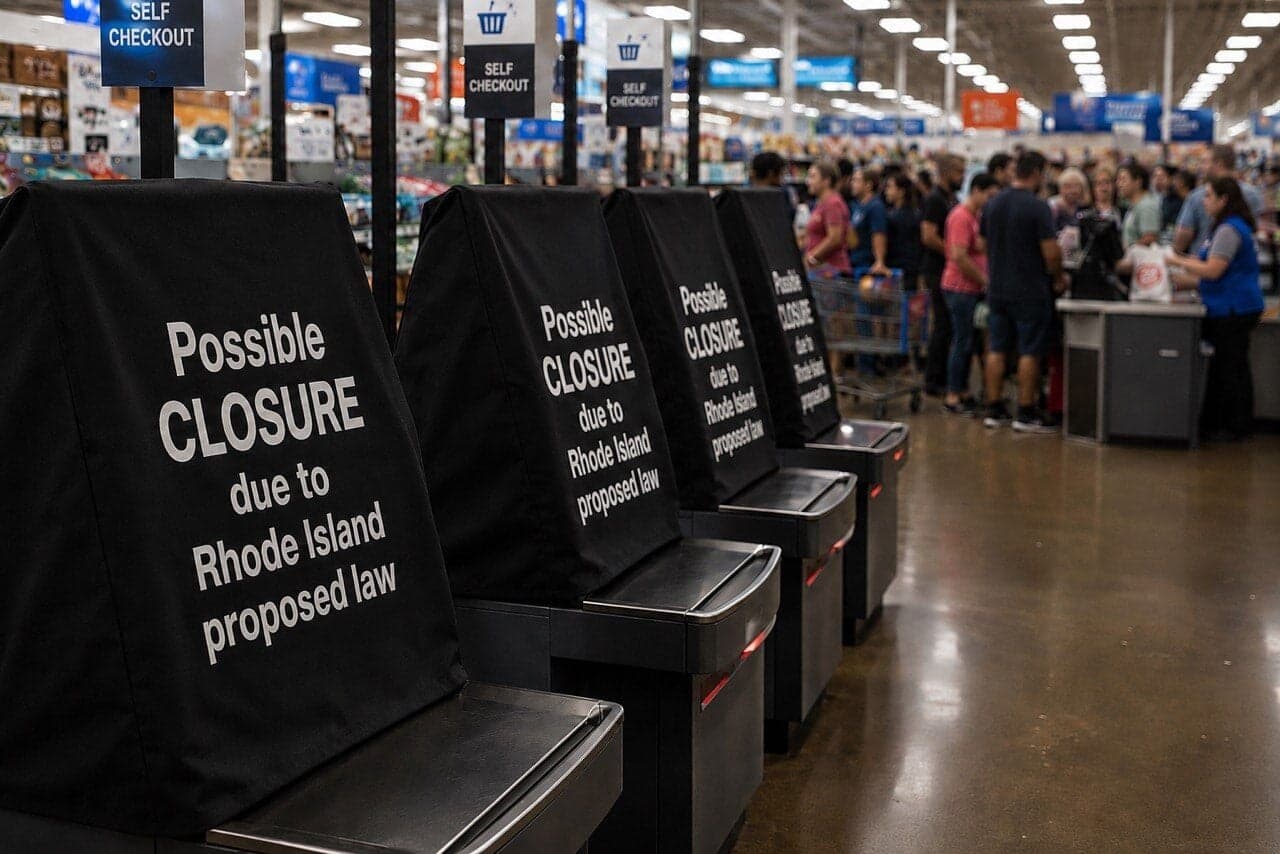
Rhode Island has turned self-checkout into a staffing rule. Grocery stores with self-checkouts must keep one staffed checkout open for every three self-checkouts, at least one self-checkout must meet ADA accessibility standards, and the worker monitoring those stations cannot be assigned other duties at the same time.
The Rhode Island General Assembly approved the measure on June 15, 2026, and bill-tracking records show it was signed by the governor on June 18. For retailers, the message is blunt: self-checkout is no longer just a convenience feature. It is now a front-end operating decision tied to labor, accessibility and security.
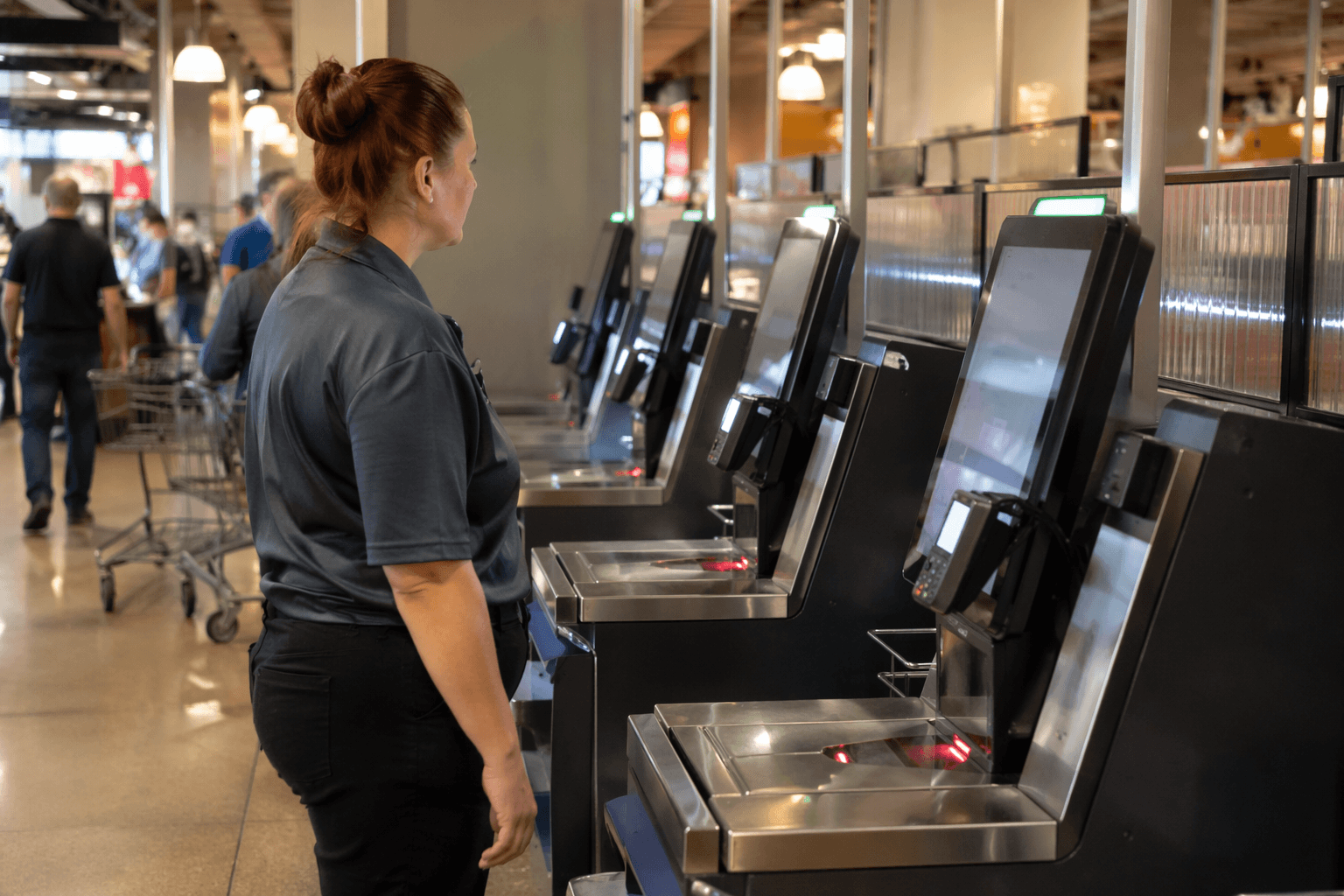
The law did not appear suddenly. In May 2025, the Senate passed earlier self-checkout limits backed by Senate President Valarie J. Lawson, and Rep. Megan L. Cotter had introduced a companion House bill. Cotter’s 2023 filing said the idea was meant to start a conversation about corporations using self-checkout to reduce cashier employment. The 2025 bill text added the rest of the case: lawmakers said self-checkout can deepen social isolation, make stores harder to use for elderly shoppers and customers with disabilities, reduce labor costs, rely more heavily on part-time employees, and raise the risk of shoplifting, credit card theft and hacking.
For Home Depot associates and department leads, Rhode Island is not a direct operating change. The final law applies to grocery stores, and The Home Depot is a home-improvement retailer based in Atlanta serving DIY, DIFM and professional customers. But the policy direction matters. If similar rules spread beyond grocery, big-box stores would face more pressure on how many staffed lanes stay open, how many associates stand in front of self-checkout, and whether those associates are truly dedicated to monitoring instead of being pulled to returns, cart runs, recoveries or floor calls.
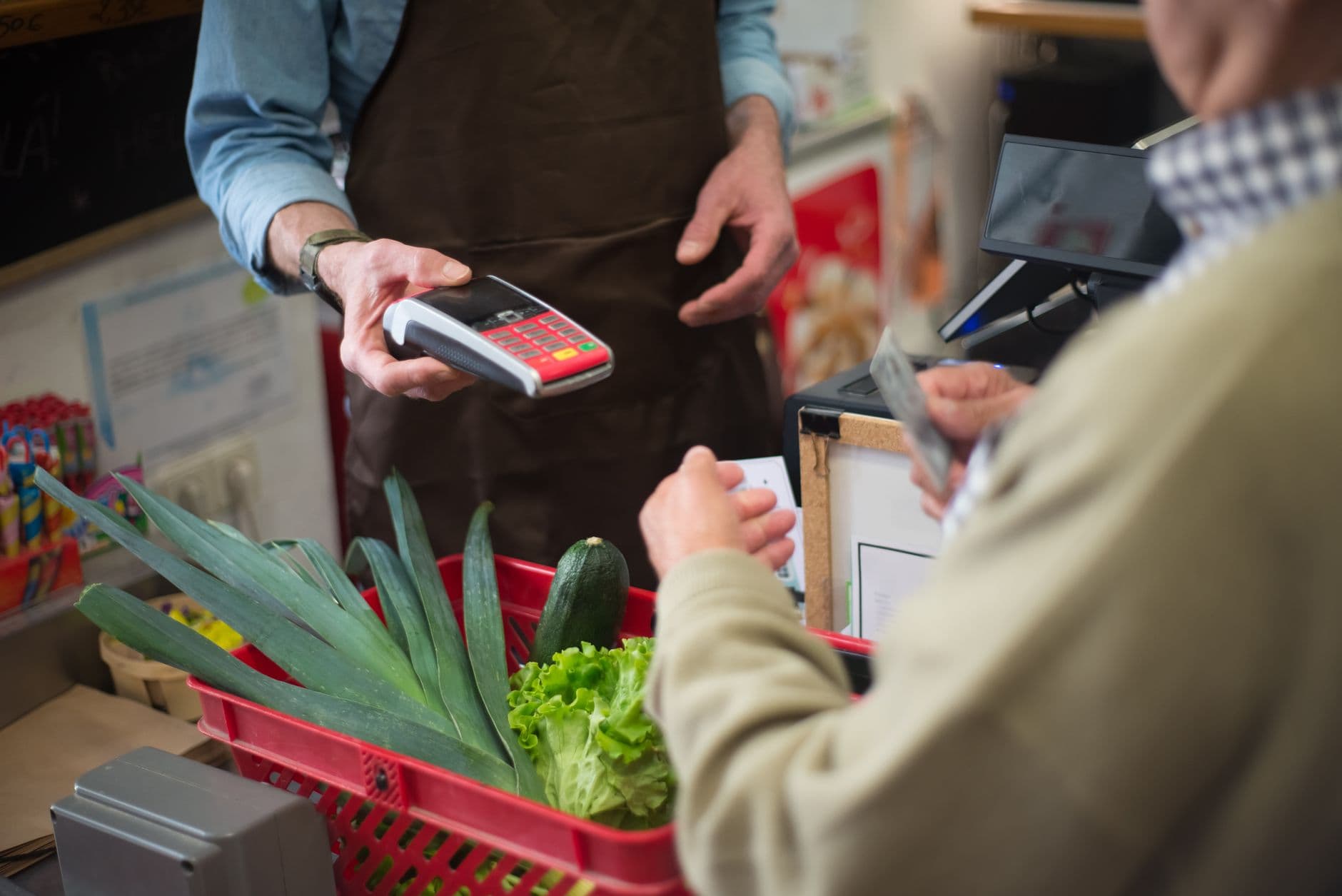
That is the practical staffing lesson for front-end managers. A self-checkout host can no longer be treated like a floating utility player if lawmakers keep writing rules like Rhode Island’s. The checklist changes fast: count the ratio of manual to self-service lanes, confirm at least one accessible station, and make sure the person assigned to watch self-checkout is not simultaneously covering another job. In a high-traffic Home Depot format, where pro customers, contractors and DIY shoppers all hit the front end at once, that kind of dedicated coverage is the difference between a smooth exit and a compliance problem.
This article was produced by Prism’s automated news system from verified source data, official records, and press releases, then run through automated quality and moderation checks before publishing. The system is built and supervised by the people who set the standards it runs under. Read our full AI policy.
Did this article answer your question?