skilled labor shortage pushes Home Depot customers to delay projects
Customers are turning big remodels into smaller, staged buys, and Home Depot associates are seeing it in planning questions, DIY choices and delayed project starts.
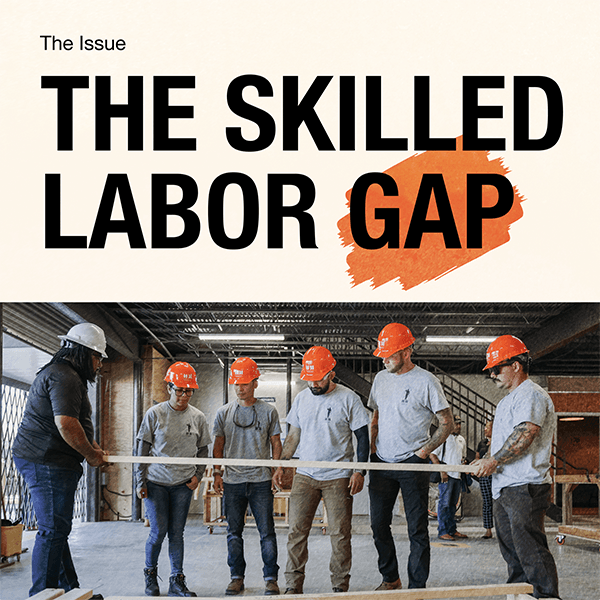
The skilled labor shortage is changing what customers walk into Home Depot stores to buy. Instead of committing to full remodels, more shoppers are trimming scope, postponing optional phases, buying materials in stages and asking which parts of a project they can handle themselves.
A recent Construction Executive piece described the shortage as a daily constraint for construction companies, with contractors struggling to staff jobs, design firms competing for experienced project managers and owners facing longer schedules and higher bids. That pressure is landing directly on the sales floor. When a customer hears that labor is expensive or a contractor cannot start for weeks, the conversation often shifts from a full project to a smaller basket: repair parts, replacement materials, or the one or two items that keep a job moving without triggering more labor cost.
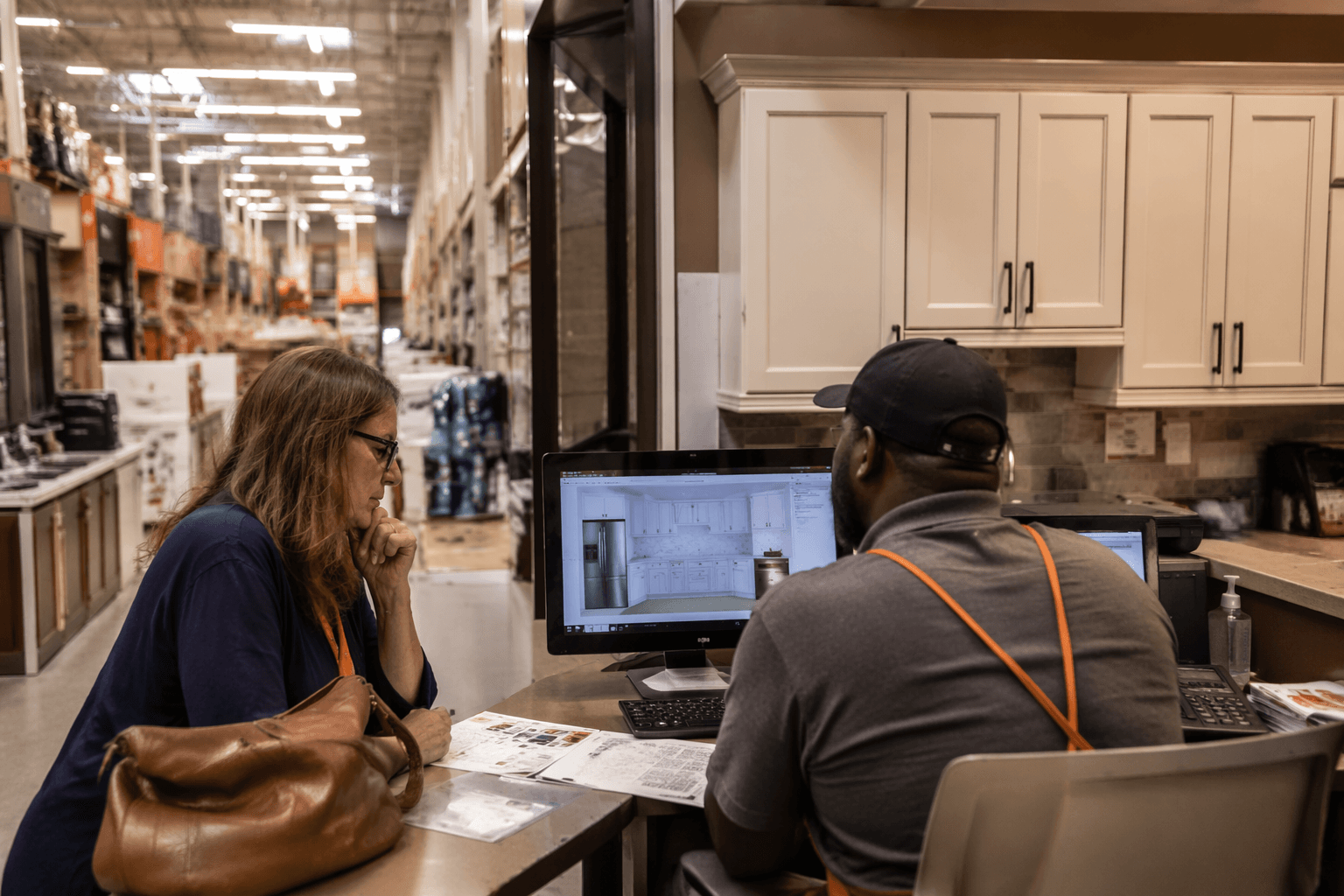
For associates and department leads, that means the most useful answer is not always a bigger sale. It is a clearer path through the project. The customer may need help deciding what can be done now, what can safely wait and which products will prevent rework later. In a tight labor market, the store becomes a substitute for expertise as much as a point of sale, especially for shoppers trying to avoid a costly service call or a delayed contractor start date.
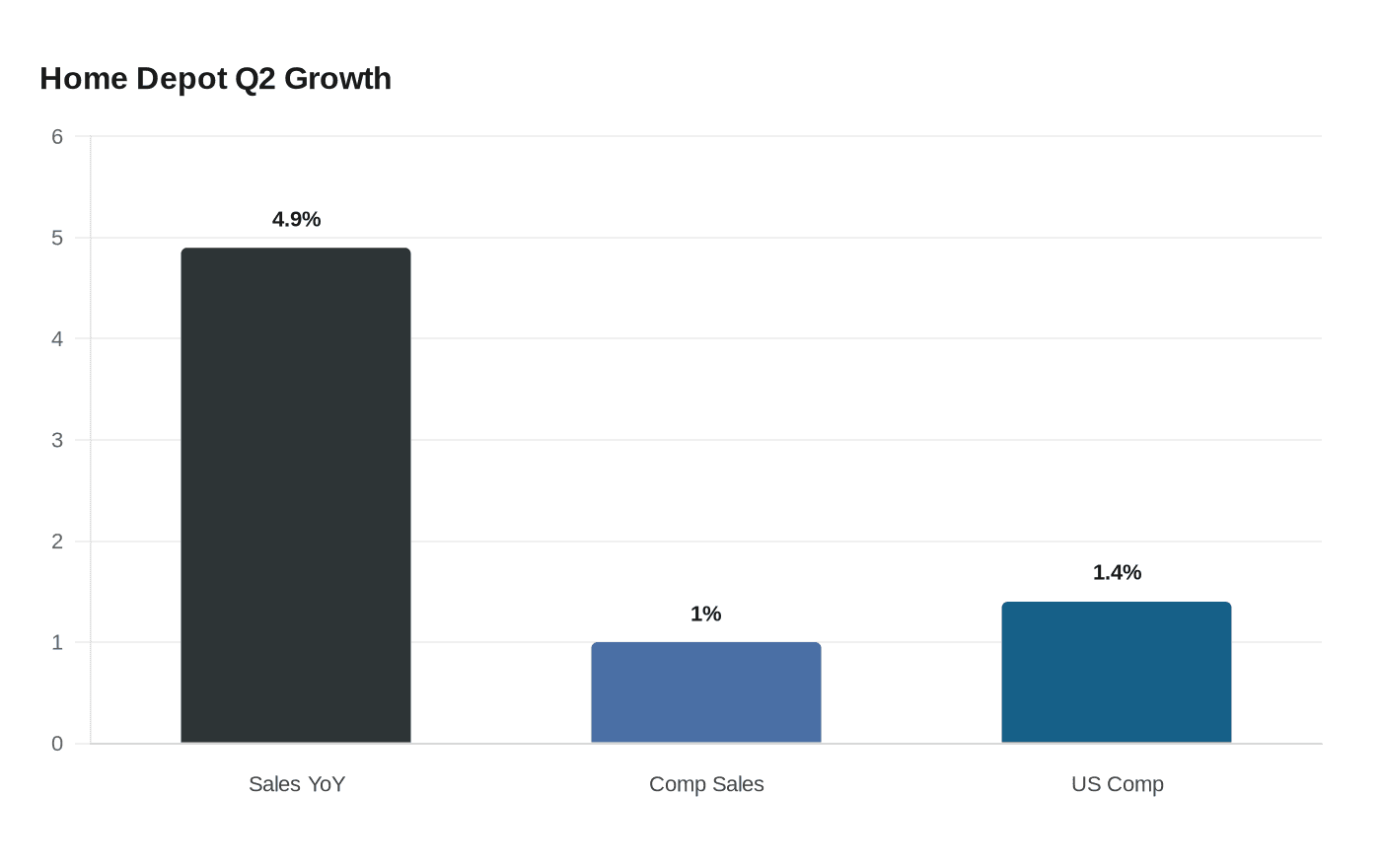
Home Depot’s own results fit that pattern. In the second quarter of fiscal 2025, the company reported sales of $45.3 billion, up 4.9% year over year, with comparable sales up 1.0% overall and 1.4% in the U.S. Ted Decker said customers were engaging more broadly in smaller home improvement projects, a signal that expensive or hard-to-schedule labor is pushing demand away from large, all-at-once remodels and toward more manageable work.
The company kept sounding that caution in later earnings updates. In November, Decker said consumer uncertainty and continued pressure in housing were disproportionately affecting home improvement demand. Home Depot repeated that message in its fourth-quarter fiscal 2025 discussion, saying ongoing uncertainty and housing pressure were still affecting the business. The result for stores is a demand mix that leans more heavily toward smaller projects, repair and maintenance items and products that help customers do more with fewer labor hours.
That is also why Home Depot’s push toward professional customers and project execution matters. The company’s 2025 earnings materials showed continued emphasis on pro engagement, while Path to Pro remains tied to skilled-trades training and workforce development. For associates, the practical takeaway is straightforward: labor scarcity is not just a contractor problem. It is changing how customers budget, what they delay and which aisles matter most when a project gets sliced down to size.
This article was produced by Prism’s automated news system from verified source data, official records, and press releases, then run through automated quality and moderation checks before publishing. The system is built and supervised by the people who set the standards it runs under. Read our full AI policy.
Know something we missed? Have a correction or additional information?
Submit a Tip