U.S. inflation surges, squeezing Home Depot shoppers and store costs
Inflation left Home Depot shoppers buying less at a time, smaller baskets, fewer trips and more questions about price, stock and financing.
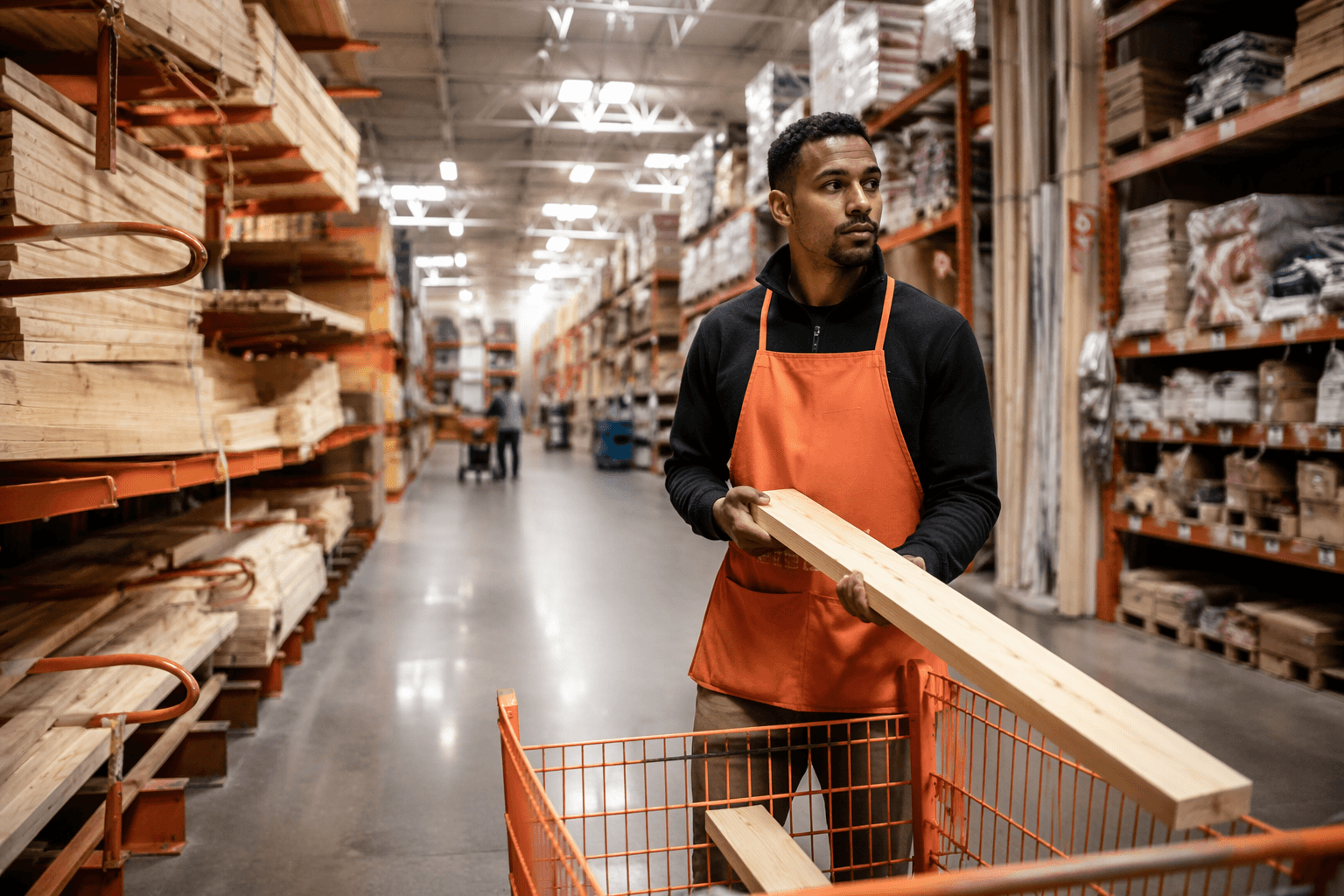
Rising prices changed the conversation on Home Depot’s sales floor fast. April inflation climbed 3.8% from a year earlier, the biggest annual increase since May 2023, while disposable income after inflation fell for a third straight month. With gasoline prices up 12.3% in April and more than 50% higher than when the war with Iran began in late February, customers walked in more cautious, more price-sensitive and more likely to treat a trip as a repair mission rather than a full remodel.
That shift matters for associates on every aisle. The shopper who once came in for a deck overhaul may now ask how to patch the leak first, whether a broken appliance can wait, or what the cheapest way is to finish only the part of the project that cannot be delayed. That puts more weight on value messaging, in-stock basics and clear guidance on add-ons that actually solve the problem. Department leads and store managers are likely to hear more questions about ticket price, bundle savings and financing, and less interest in big discretionary projects that can be postponed.
Home Depot’s own first-quarter fiscal 2026 results showed that change in real time. Sales reached $41.8 billion, comparable sales rose 0.6% overall and 0.4% in the U.S., and adjusted diluted earnings per share came in at $3.43. Ted Decker said underlying demand looked similar to fiscal 2025, even as consumer uncertainty and housing affordability pressure stayed elevated. The company also said average ticket rose 2.2% while customer transactions fell 1.3%, a sign that shoppers were still spending, but in smaller, more selective ways.


That pattern fits a market where large remodels are being scaled back and the housing backdrop remains subdued. Elevated fuel costs were already pressuring Home Depot through transportation and input expenses, which raises the stakes for tight execution in stores: accurate shelf tags, stronger promotion awareness, better availability on essentials and less shrink and waste. Home Depot left its full-year fiscal 2026 outlook unchanged, calling for comparable sales to be flat to up 2.0% and adjusted profit growth to be flat to up 4.0%. In a choppy demand environment, the store that helps customers finish a smaller project cleanly is the one most likely to earn the next visit.
This article was produced by Prism’s automated news system from verified source data, official records, and press releases, then run through automated quality and moderation checks before publishing. The system is built and supervised by the people who set the standards it runs under. Read our full AI policy.
Did this article answer your question?