USTR proposes new tariffs on imports, Home Depot could feel impact
USTR’s forced-labor tariff plan could add 10% or 12.5% duties on goods from 60 economies, putting Home Depot pricing and stocking decisions under pressure.

The Office of the U.S. Trade Representative moved to add another trade complication for Home Depot store teams: a proposed tariff regime that would hit imports from 60 economies tied to forced-labor concerns. Under the plan, economies with partial prohibitions on forced-labor imports would face an additional 10% duty, while the rest would face 12.5%.
For associates on the floor, that is not just a Washington headline. It can become a question of why a deck board, insulation bundle or contractor-grade accessory suddenly costs more, ships later or gets swapped for a different SKU. The USTR said the proposal would apply to all products from the investigated economies unless an annex says otherwise, and it opened a public-comment process with hearing requests and testimony summaries due June 22, written comments due July 6, and hearings set for July 7. The agency also proposed a textile mechanism that could let some apparel and textile imports from certain economies enter at reduced Section 301 tariff rates.
The trade list could touch major partners, including China, the European Union and Japan. China’s commerce ministry opposed unilateral restrictions, and an EU spokesperson called the reasoning unjustified. However the politics shake out, the retail effect is more practical: tariffs can alter landed cost, squeeze vendor negotiations, slow replenishment and make some assortments tighter just as customers want to start a project.
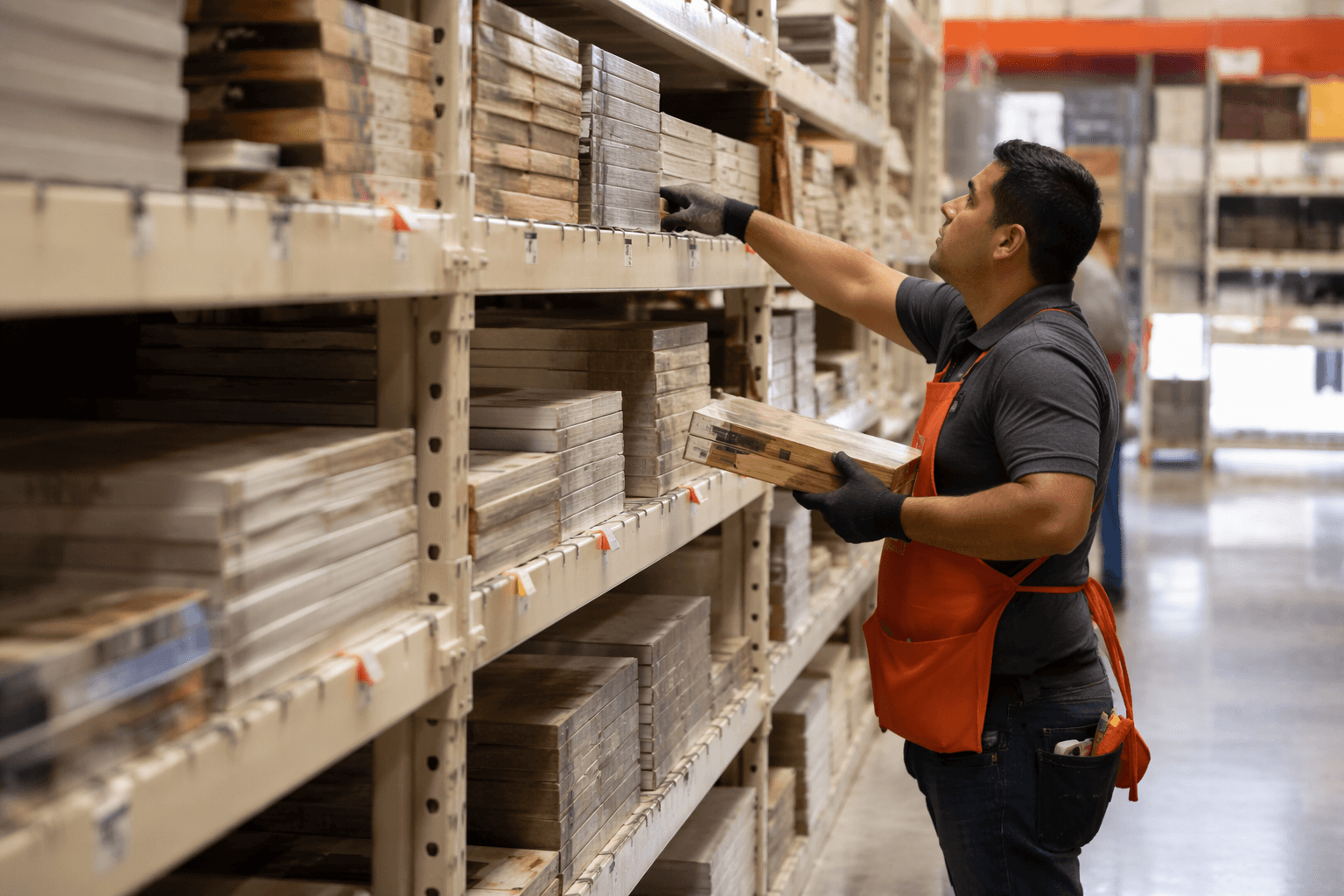
That matters at The Home Depot because the company has been explicit about how much store execution depends on what is on the shelf. In its 2025 annual report, Home Depot said stores remain the core of the business and that “knowledgeable associates and on shelf availability are critical.” The company also said customers expect a broad assortment of quality products and that its merchandising team works with leading suppliers to deliver innovation, exclusivity and everyday value.
Home Depot’s own Responsible Sourcing Standards add another layer. Suppliers must comply with labor laws, and child labor and forced labor are prohibited. The standards are part of commercial agreements with the company. Home Depot has also said it works with thousands of suppliers and factories around the world, even as a majority of its products are sourced in North America.
That mix of sourcing rules and tariff pressure is why this proposal could affect more than price tags. The chain’s 2024 Responsible Sourcing Report said there is both a business and moral case for making sure human rights are upheld across the supply chain. Home Depot has also said it does not permit forced or prison labor in its supply chain and works with suppliers to ensure products are free from forced labor and compliant with applicable laws.
Chief Financial Officer Richard McPhail said in a CNBC-reported interview that the company has a long-term strategy of diversifying its supply base and aims to avoid overreliance on any one country outside the U.S. That strategy may help blunt the shock, but it does not erase it. For store managers and department leads, the next tariff fight could show up first as customer friction over pricing, availability and substitute products, exactly where the company says associates matter most.
This article was produced by Prism’s automated news system from verified source data, official records, and press releases, then run through automated quality and moderation checks before publishing. The system is built and supervised by the people who set the standards it runs under. Read our full AI policy.
Did this article answer your question?