Virginia to require paid sick leave, Home Depot stores prepare
Virginia workers will earn one hour of paid sick leave for every 30 hours worked, and Home Depot’s attendance rules will need to catch up by July 2027.
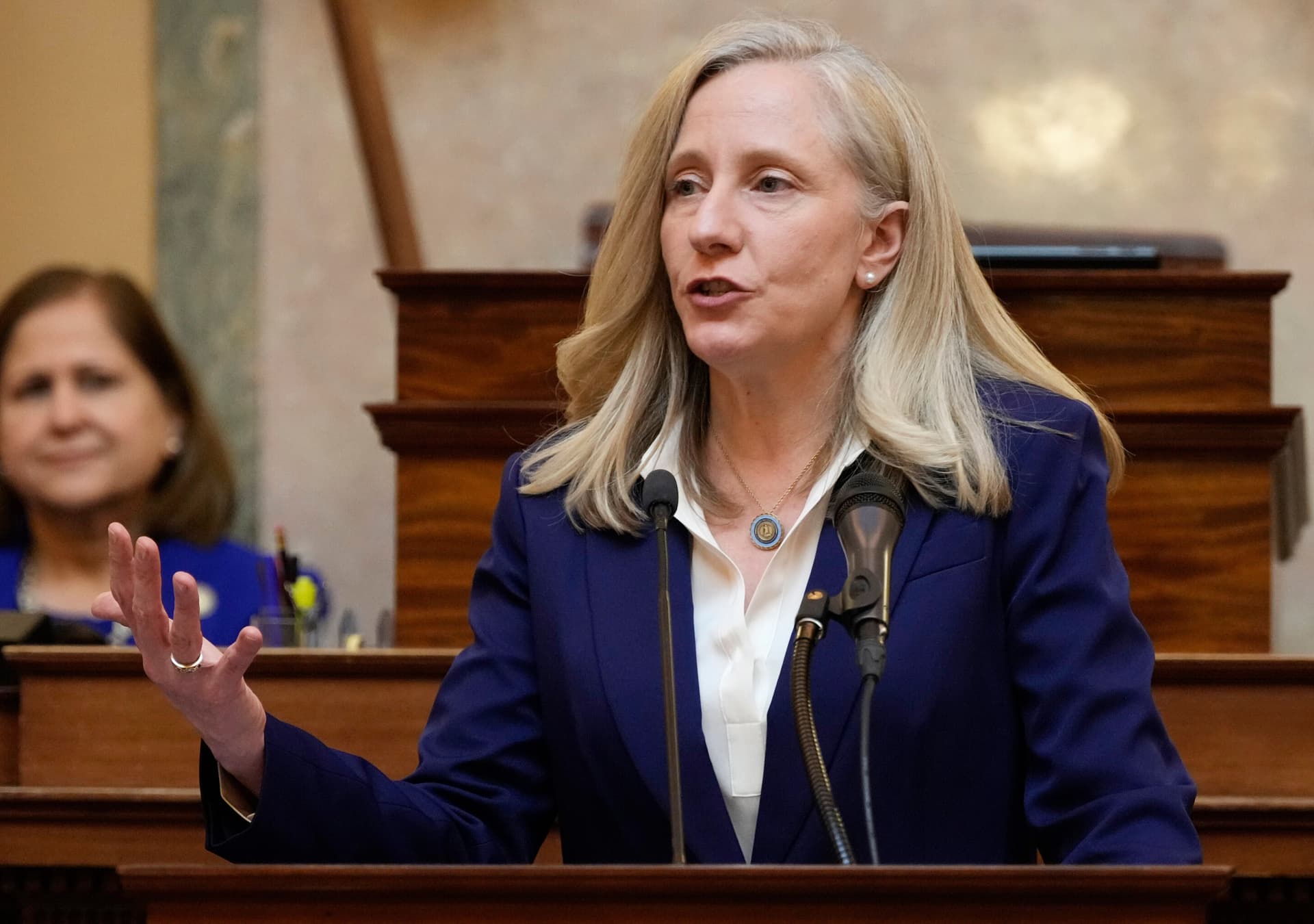
Virginia’s new paid sick leave law gives Home Depot associates and managers nearly a year to get ready, but the biggest changes will land in the places retail feels them first: scheduling, call-outs, and attendance enforcement. Gov. Abigail Spanberger signed the measure on May 20, creating a statewide program that applies to full-time and part-time workers, builds leave at one hour for every 30 hours worked, and caps the benefit at five paid sick days a year.
For store leaders, the operational issue is not just whether an associate can take time off. It is how that time gets tracked when a department is already stretched by truck days, pro-customer rushes, seasonal demand, and the need to keep flooring, plumbing, lumber, and garden covered. The governor’s office said the program will phase in by employer size and begin in July 2027, which gives Home Depot time to update policy language, payroll systems, and the scripts managers use when someone calls out sick.
That matters because leave rules at Home Depot are already tied to state law. The company says sick-time benefits include four hours per month for full-time hourly associates and two hours per month for part-time hourly associates, or as required by law. Home Depot also says benefit plans are available to part-time hourly, full-time hourly, and salaried associates. Once Virginia’s requirement takes effect, the state floor could become the standard that shapes local scheduling decisions, especially for part-timers who make up a large share of retail staffing.
The new law also pushes on the same pressure points that usually trigger friction on the sales floor. If an associate misses a shift on a Saturday in spring project season, or a specialist does not make it in for a planned install, managers will need to know whether the absence counts as protected sick leave, how much time the associate has accrued, and whether an attendance warning can still be issued. Those are the kinds of details store-level policy language will have to answer clearly.

Virginia had already been moving in this direction. In February, the legislature advanced paid sick leave bills, with the Senate passing one version 21-19 and the House passing a twin bill 62-34. The state’s existing paid sick leave law covered only home health workers who averaged at least 20 hours a week or 90 hours a month, so the new measure is a major expansion for retail, warehouse, and service jobs across the commonwealth.
The politics around that shift were already visible. The Virginia Chamber of Commerce launched its Keep Virginia Open campaign on May 19, one day before the signing, while the Economic Policy Institute had pointed to Virginia as a model for paid leave expansion across the South earlier in the year. For Home Depot, the takeaway is straightforward: by the time July 2027 arrives, the stores that adapt fastest will be the ones that keep staffing steady without treating sick leave like a surprise.
This article was produced by Prism’s automated news system from verified source data, official records, and press releases, then run through automated quality and moderation checks before publishing. The system is built and supervised by the people who set the standards it runs under. Read our full AI policy.
Did this article answer your question?