Why Home Depot veterans excel in store operations, leadership roles
Veterans are a practical talent pipeline at Home Depot: the same habits that win in uniform also help stores move freight, lead teams, and keep pro customers moving.
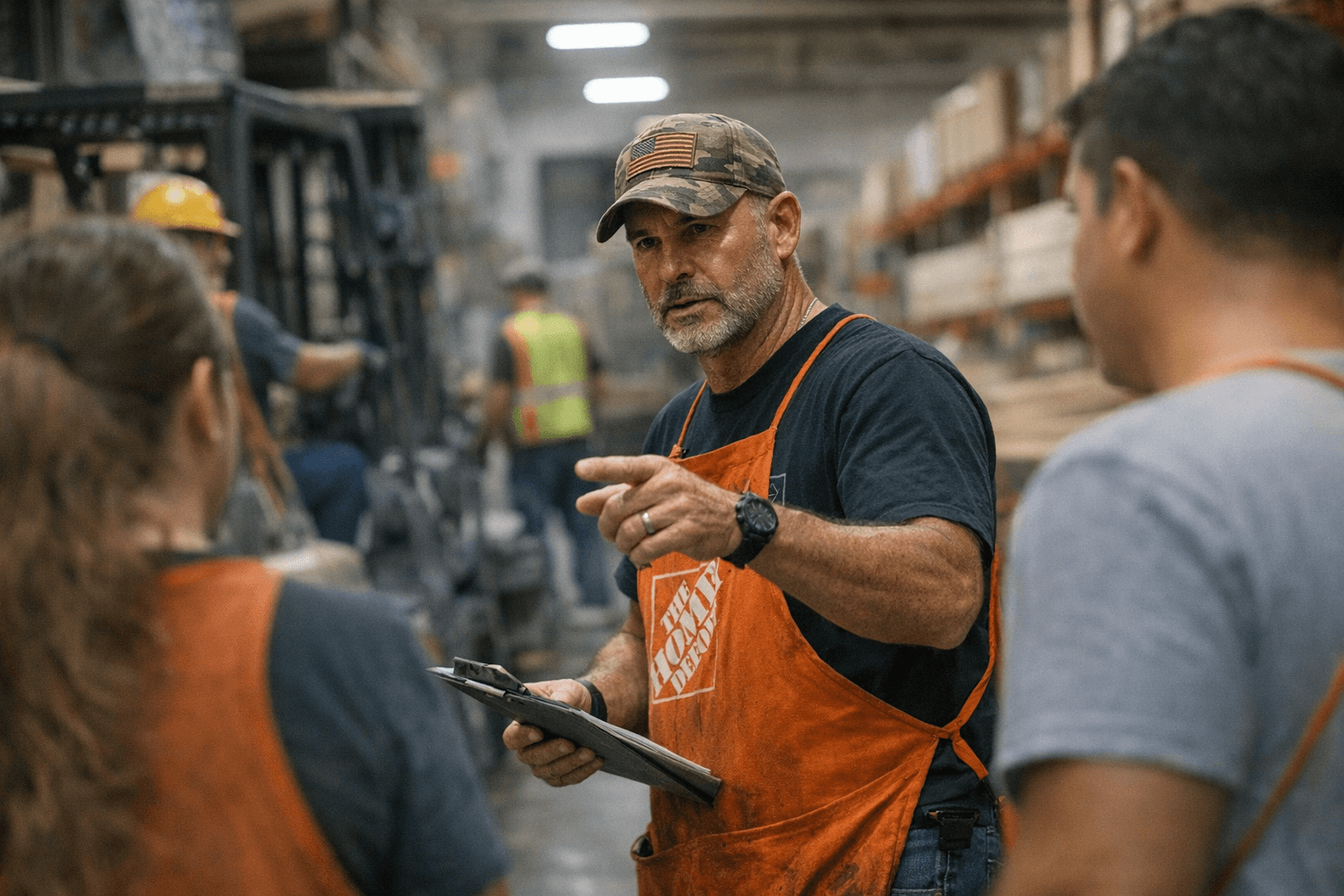
Veterans fit Home Depot’s hardest jobs because the work rewards the same habits the military drills into people: safety, structure, teamwork, and calm under pressure. In a store that can swing from a normal weekday to a delivery pileup, a seasonal rush, or a last-minute staffing gap, those traits are not nice to have. They are what keep operations moving.
Why military experience maps so well to Home Depot
The strongest overlap starts with procedure. Military service trains people to follow a clear chain of command, complete tasks on time, and stay focused when conditions change fast. That translates directly to store operations, receiving, delivery, Pro Desk support, and floor leadership, where work often depends on precision rather than improvisation.
There is also a close fit in the kinds of problems Home Depot solves every day. A veteran who has managed logistics already understands inventory flow and accountability. Someone who has led a team or squad has already practiced the basics of people management, which can carry into department lead or supervisor roles. A maintenance or equipment background can also transfer into tool rental, safety-sensitive work, and other jobs that demand attention to detail.
What makes that especially valuable is not just the resume. It is the habit of doing the next right thing under pressure. On a busy sales floor, that can mean keeping freight organized, helping a contractor get what they need quickly, or making sure a safety rule is followed before a task starts. Those are the moments when a veteran’s training often shows up first.
Where the fit shows up in the building
Home Depot’s military hiring pitch is not limited to one part of the business. The company says it has roles for veterans in stores, distribution centers, and corporate offices, which matters because military experience can support both front-line service and behind-the-scenes operations. A veteran who has handled logistics may be a natural fit in receiving or distribution. A veteran who has led people under stress may be able to grow quickly into floor leadership or a department supervisor role.
That matters on the sales floor, where customer expectations are unusually high. Home Depot serves contractors, pros, and do-it-yourself customers, and those interactions can turn urgent fast. Veterans often bring the kind of steady customer service mindset that helps in those moments: listen, solve the problem, stay composed, and keep the work moving.
The payoff for stores is immediate. Better matches mean fewer training delays, stronger shift coverage, and more people who can handle structure without needing every step explained twice. In a retail environment where seasonal demand can stretch staffing thin, a worker who learns quickly and takes responsibility can stabilize an entire shift.
What Home Depot says it already has in place
Home Depot says it has “strong leadership” and “decision-making skills” in mind when it talks about veteran talent, and it says “tens of thousands” of veterans are continuing their careers there. The company also offers a Military Fellowship Program for transitioning service members and military spouses, plus free Mission Transition online courses meant to help veterans translate military experience into civilian resumes and interview language.
That translation matters because military language and retail language do not always line up on paper. A logistics specialist has real experience for receiving, inventory, and supply chain work. A team leader or squad leader may already have the core of what a department lead needs. The company’s own programs are built around making that translation visible, which can help good candidates avoid being overlooked simply because their experience is described differently.
Home Depot also says it uses a 10% discount for active service members, veterans, and their spouses on eligible purchases after verification, and it notes partnerships with Army & Air Force Exchange Service and Navy Exchange. Those benefits are not the main story, but they signal something important about the company’s approach: it is trying to build a wider military ecosystem around the employee experience, not just a recruiting campaign.
Why the pipeline is practical, not symbolic
The scale is what makes this a business story. In 2020, Home Depot said its Military Relations team had 35,000 veteran and military spouse associates, and that 78 percent of military bases were within 20 miles of a Home Depot store or distribution center. That geographic overlap gives the company a built-in recruiting advantage. It can hire locally, near where military families already live and move.
The broader labor market also helps explain why this pipeline matters. The U.S. Bureau of Labor Statistics reported a 3.0 percent unemployment rate for all veterans in 2024, compared with 3.9 percent for nonveterans, and said about 250,000 veterans were unemployed. For a retailer trying to fill operations and leadership roles, that means veterans are not just a values-based choice. They are a reachable workforce with relevant skills already in hand.
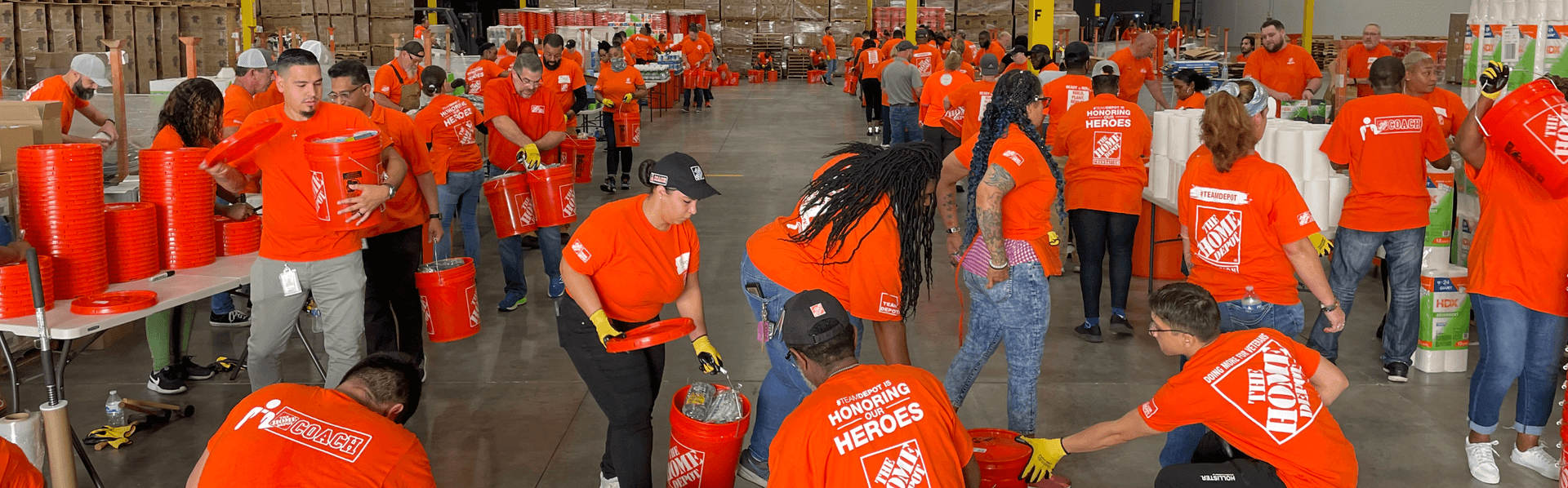
Home Depot has also pushed beyond hiring into training. The Home Depot Foundation says it has invested more than $600 million in veteran causes and has committed $750 million by 2030. It also says it partners with 10 military bases to provide training and certification for transitioning service members, and it runs the Path to Pro Skills Program free and open to all military. Its Path to Pro Network lets military members build a profile with a separation date, qualifications, a resume, and a work portfolio. That is the kind of infrastructure that makes a pipeline more than a slogan.
What good veteran hiring changes inside a store
Veteran hiring works best when stores treat the transition seriously. A strong candidate still needs clear onboarding, consistent scheduling, and real training time to learn retail systems, product flow, and the pace of customer traffic. The first weeks matter because a person can have the right discipline and still need help turning military habits into store habits.
When that part is done well, the payoff is bigger than filling a vacancy. Veterans often bring a service mindset that matches Home Depot’s customer-first culture without needing much translation. They can strengthen the store’s sense of reliability, raise the standard for teamwork, and add people who are comfortable being accountable when the day gets messy.
For Home Depot, that is the real value of the veteran pipeline. It is a way to staff the jobs that keep the store running, from receiving dock to department leadership, with people already trained to stay steady, work as a unit, and finish the mission.
This article was produced by Prism’s automated news system from verified source data, official records, and press releases, then run through automated quality and moderation checks before publishing. The system is built and supervised by the people who set the standards it runs under. Read our full AI policy.
Did this article answer your question?