Brazil’s tax reform enters operational phase with new CBS rules
Brazil’s CBS rules moved the tax overhaul into build mode, forcing companies to rework invoices, systems, and registration before any real cash collection starts.
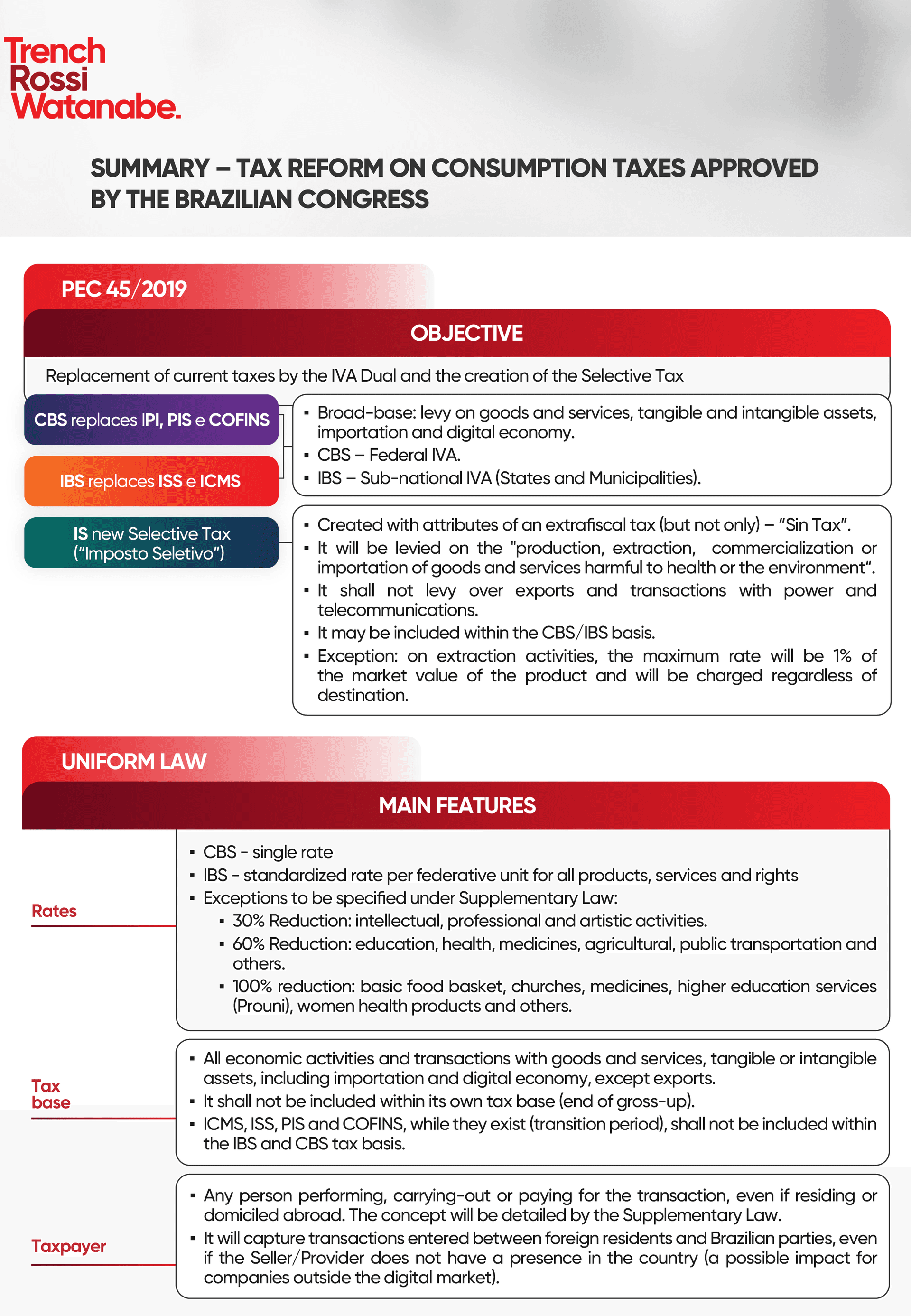
Brazil’s indirect tax overhaul moved out of the lawmaking phase and into the workbench. With Decree No. 12,955 issued on April 29 and published in the official gazette on April 30, the country’s new CBS rules pushed companies, advisers, and software teams into the messy part of the transition: registration, invoicing, controls, and systems readiness.
That shift matters inside KPMG because this is no longer a narrow indirect-tax exercise for a handful of VAT specialists. Brazil’s reform is replacing PIS, COFINS, IPI, ICMS, and ISS with a dual VAT model built around CBS and IBS, plus a Selective Tax. The legal base came first through Complementary Law No. 214/2025, later reinforced by Complementary Law No. 227/2026, which created the IBS Management Committee and set administrative rules. The operational burden now falls on tax, transformation, technology, and client-service teams that have to make the new regime work in live systems.
The 2026 tax year is a testing year, not a collection year. Companies will not actually remit CBS and IBS in full, but they will have to issue invoices showing a combined 1% test burden, split between 0.9% CBS and 0.1% IBS, so authorities can verify the model and adjust the machinery before enforcement begins. The Senate has described 2026 as a learning year, and that is exactly how it reads for businesses: a rehearsal with real data, real invoices, and real exposure if the fields are wrong.
For multinational groups, the reform reaches far beyond domestic sales. The new rules affect nonresident sellers, digital platforms, and cross-border service providers with taxable operations sourced in Brazil. That includes imports, consulting, IT, cloud services, maintenance, software, licenses, and other intangibles where the economic use occurs in Brazil. Some market summaries say foreign digital-service providers may need a Brazilian CNPJ with a nonresident identifier, with no registration threshold, which turns the issue into a global compliance and operating-model problem, not just a local filing question.
The timeline leaves little room for drift. The transition runs through 2033, when the old consumption taxes are fully phased out. Industry advisers are already warning that penalties for missing IBS and CBS fields in tax documents may begin as early as August 1, 2026. For KPMG teams, the first workstreams are clear: map registration triggers, redesign invoicing architecture, test tax engines, and confirm whether supply-chain, platform, and finance systems can carry the new fields without breaking downstream processes. The reform was sold as a simpler, more transparent, digitally administered tax system. For the people who have to implement it, the first test is whether the operating model can survive the change.
This article was produced by Prism’s automated news system from verified source data, official records, and press releases, then run through automated quality and moderation checks before publishing. The system is built and supervised by the people who set the standards it runs under. Read our full AI policy.
Did this article answer your question?


.pdf%2F_jcr_content%2Frenditions%2Fcq5dam.thumbnail.319.319.png&w=1920&q=75)