KPMG economist warns of weaker growth, sticky inflation, fragile expansion
Swonk’s latest compass says the world economy is still moving, but growth is weaker, inflation sticky and the shock buffer thinner. KPMG teams need a tighter client playbook.
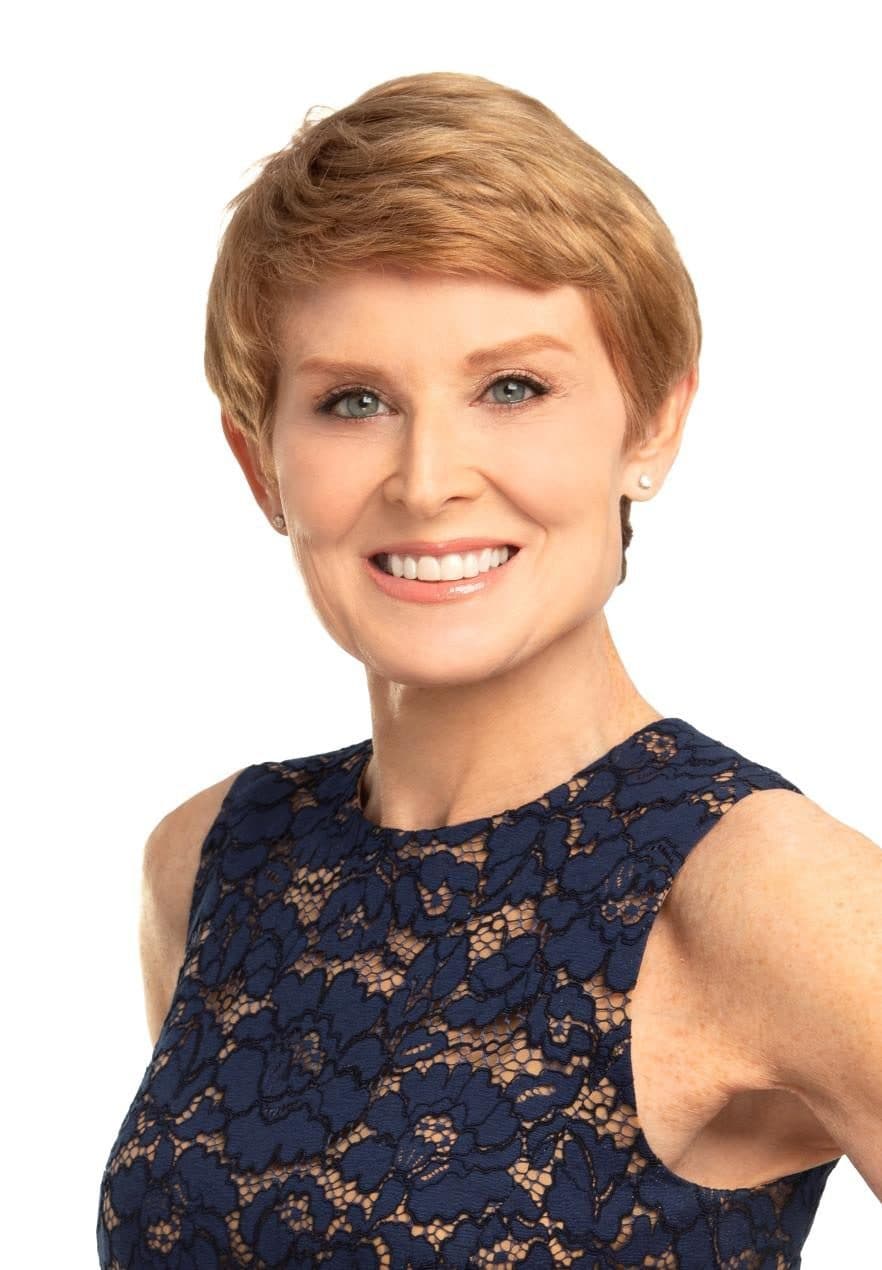
What Swonk is really warning about
Diane C. Swonk’s May 8 Economic Compass, *Under pressure: The view from Argentina*, is not a call that the global economy has stalled. It is a warning that it is still moving, but with less capacity to coordinate and a growing temptation to turn inward. Swonk says the Argentina trip included “one of the most intense gatherings of economists” she can remember, with the discussions held under Chatham House rules, which fits the tone of the report: candid, unsettled and focused on what happens when several risks hit at once.

The core point for KPMG professionals is that the current cycle is harder to model than the last one. The report says the shocks are difficult to model because they “interact and amplify one another,” with geopolitical strain, fiscal constraints, higher debt, tariff pressure, sticky inflation and an AI-driven investment boom all pulling on the same economy. KPMG’s own conclusion is stark enough for client conversations this quarter: weaker growth, persistent inflation and a fragile expansion, with 2026 potentially the weakest year since the pandemic.
Where the growth picture is holding up, and where it is not
The report does not describe a collapse. It says first-quarter real GDP rose at a 2% annualized rate, and consumer spending slowed but did not fall apart. That matters because it suggests many clients still have revenue, but less cushion than they did in a hotter demand environment. The more immediate pressure point is that home buying and building contracted for a fifth consecutive quarter, a sign that rate sensitivity is still biting where balance sheets meet financing costs.
Business investment is the counterweight, but it is not a clean one. Swonk says it picked up, helped by the AI boom and earlier tax cuts, which gives many companies cover to keep spending even as other lines soften. For KPMG teams, that split matters: a client may be expanding data-center spend, software rollout or automation while simultaneously freezing hiring, trimming discretionary budgets and reworking forecasts.
The practical read is that shock absorption is weakest in the sectors most exposed to rates, housing and consumer caution. That means more scrutiny for clients with:
- housing-related revenue or lending exposure
- consumer demand that depends on discretionary spending
- long-cycle capital projects that need stable financing
- supply chains that can be hit by tariff changes or geopolitical spillover
Why this changes the client conversation at KPMG
Swonk’s report is especially useful because it turns macro noise into operational questions. KPMG says its economics work tracks labor market participation, consumer spending, inflation, investment, housing and monetary policy, which is exactly the mix that shows up in audit judgments, deal assumptions and management forecasting. When growth is slower and inflation stays sticky, the old comfort of broad averages disappears. Clients need to know how the macro story hits margins, working capital, revenue timing and valuation assumptions.
That is where KPMG consultants, auditors and advisory professionals need to be sharper this quarter. The question is no longer just whether growth is up or down. It is whether a client should defer spending, accelerate automation, hedge more aggressively or revise forecast assumptions in financial statements. In practice, that means more scenario planning, more pushback on optimistic cases and more attention to how rates, tariffs and supply-chain shifts flow into the numbers.
For audit teams, the pressure shows up in estimates and judgments. For consulting and advisory teams, it shows up in pipeline expectations and the timing of transformation work. If business leaders believe the expansion is fragile, they are more likely to delay big decisions, even if they keep talking about AI and productivity. That makes the ability to communicate uncertainty without sounding vague a core skill, not a soft one.
Argentina as the stress test
Argentina gives the report its title for a reason. It is a reminder that the global outlook is being read through places where inflation, policy credibility and reform fatigue collide. Reuters reported on May 7 that Argentine analysts had lifted their 2026 inflation expectation to 30.5% and cut growth expectations to 2.8%. That is a very different near-term outlook from the World Bank, which projects Argentina’s economy will grow 3.6% in 2026 after 4.4% growth in 2025.
Allianz’s January 2026 country-risk update is less pessimistic on inflation, saying it could fall to 17% to 18% in 2026, but it also flags the constraints that keep the story fragile: low reserves, limited market access and political resistance to reform. Taken together, those views show why Swonk is emphasizing fragility rather than momentum. Even where the numbers improve, the margin for error is still thin.
That makes Argentina a useful analogy for client work in the United States and beyond. When reserves are tight, policy room narrows. When inflation stays sticky, central banks do not have the same buffer they enjoyed in earlier cycles. When reforms face resistance, the cost of getting assumptions wrong rises. Those are the same dynamics that make CFOs, controllers and deal teams more cautious in a slower, noisier global market.
The bottom line for KPMG professionals
Swonk’s message is not that the world economy is broken. It is that the expansion is more fragile, the shock absorption is weaker and the range of possible outcomes is wider. She also took the outlook public on CNBC with Steve Liesman on May 8, where the conversation sat alongside broader questions about the economy and the Federal Reserve, which reinforces how central this macro uncertainty has become.
For KPMG staff, the lesson is to connect macro advice to execution. Clients do not need another generic GDP view. They need a clear read on which exposures matter this quarter, where assumptions are most likely to slip and what decisions can still be made before the data forces the issue. In a market like this, disciplined advice is not cautious by default. It is what keeps strategy, audit and capital allocation from drifting apart.
This article was produced by Prism’s automated news system from verified source data, official records, and press releases, then run through automated quality and moderation checks before publishing. The system is built and supervised by the people who set the standards it runs under. Read our full AI policy.
Did this article answer your question?


.pdf%2F_jcr_content%2Frenditions%2Fcq5dam.thumbnail.319.319.png&w=1920&q=75)