IRS opens new settlement window for conservation easement disputes
The IRS gave conservation easement taxpayers a 90-day exit ramp, and nearly 450 cases no longer need upfront cash to join. For tax controversy teams, the clock just got much tighter.
The IRS has turned conservation easement disputes into a short-fuse decision for taxpayers and the advisers defending them. With a time-limited settlement opportunity announced on May 13, 2026, tax controversy teams now have to move quickly on eligibility, client appetite for certainty, and whether a case belongs in settlement talks, Tax Court, or continued examination.
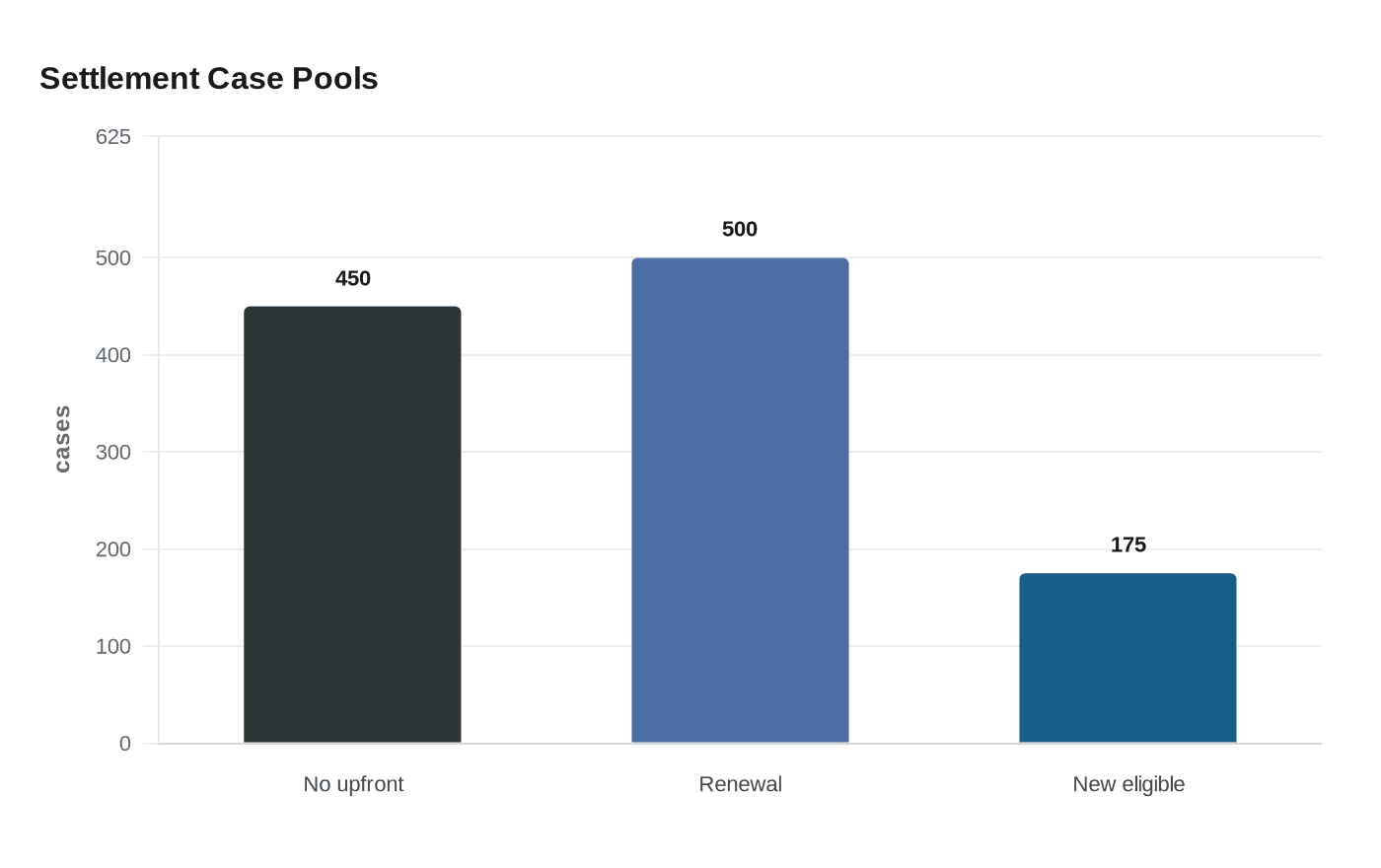
The agency said the new offer is aimed at eligible partnerships in conservation easement and historic preservation easement disputes, and it comes with a sharper workflow than prior rounds. Nearly 450 cases will no longer face an upfront settlement payment, as many as 500 cases with expired or rejected prior offers can renew settlement efforts, and another 175 cases that never had a prior settlement chance may now qualify. Bloomberg Tax reported that the offer runs for 90 days and carries a 10% penalty plus interest, which makes the timing pressure immediate for advisors trying to preserve leverage without missing the window.

For firms like KPMG, the practical effect is a surge in client triage. These cases are not abstract tax-policy fights anymore. They are deadline-driven matters that force teams to weigh the cost of locking in certainty against the risk of litigating an issue the IRS still treats as abusive. The Service said it has resolved 405 cases through settlement initiatives since 2020, but only 32% of offers were accepted, a sign that earlier rounds did not clear the psychological and cash-flow hurdles for many taxpayers.
The size of the backlog explains why the IRS is pressing again. The agency said more than 1,100 conservation easement cases are pending overall, including about 740 docketed cases in U.S. Tax Court and 400 in examination. Treasury officials told Polsinelli in January 2026 that the IRS was already handling about 700 active Tax Court cases, with hundreds more in exam and appeals, underscoring how much of the workload is still sitting on controversy teams and in-house counsel.
The IRS paired the settlement window with a harder line on the underlying transactions. Frank J. Bisignano said the deduction was meant to support genuine preservation, not tax shelters built on inflated valuations. Kenneth J. Kies said courts have repeatedly found abusive activity in the area and warned that litigation, penalties, and sanctions remain in play. The agency also said it will continue coordinated enforcement against promoters and advisors, keeping pressure not just on taxpayers but on the professionals who structured the deals in the first place.
For KPMG tax professionals, that changes the advice loop. This is now a question of who acts inside the deadline, who holds out, and which files get the limited senior attention when a settlement window, a docket calendar, and reputational risk all collide at once.
This article was produced by Prism’s automated news system from verified source data, official records, and press releases, then run through automated quality and moderation checks before publishing. The system is built and supervised by the people who set the standards it runs under. Read our full AI policy.
Did this article answer your question?


.pdf%2F_jcr_content%2Frenditions%2Fcq5dam.thumbnail.319.319.png&w=1920&q=75)