KPMG flags proposed fertility benefits rules for employers
Employers could soon need to redesign fertility coverage, tax treatment, and employee communications as Washington moves to carve out a new benefits category.
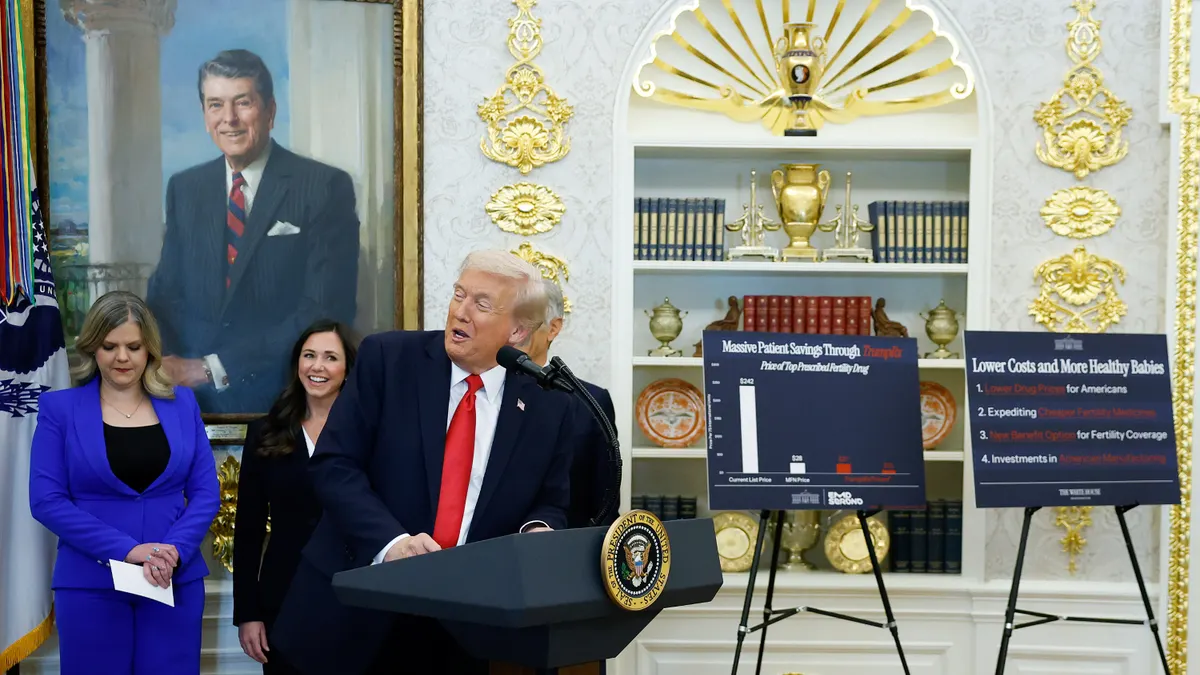
Employers may soon have to revisit fertility coverage from every angle at once: plan eligibility, payroll and tax treatment, employee messaging, and whether new benefits fit alongside existing medical, dental and vision offerings. KPMG flagged the issue in its TaxNewsFlash listing as federal agencies moved to create a new category of limited excepted benefits for certain fertility services.
The proposal was published in the Federal Register on May 13, 2026, as document 2026-09479. It is a joint rulemaking from the Internal Revenue Service and the Department of the Treasury, the Employee Benefits Security Administration at the Department of Labor, and the Centers for Medicare & Medicaid Services at the Department of Health and Human Services. The comment period runs through July 13, 2026, giving employers, carriers and benefits advisers a short window to weigh in before the rule is finalized.

The practical significance for HR and benefits teams is that excepted benefits are generally outside certain federal market requirements under HIPAA, the Affordable Care Act and the No Surprises Act. The proposal would extend that framework to fertility coverage, with guardrails that would force employers to define what counts as eligible care. Under the draft, substantially all covered services would have to be for the diagnosis, mitigation or treatment of infertility or infertility-related reproductive health conditions.
The agencies also drew a hard line on cost. The proposed lifetime maximum is $120,000 per participant, including beneficiaries if eligible, with the cap indexed for medical inflation for plan years after 2027. That gives employers a concrete ceiling to model, but it also means benefits teams, finance, and payroll administrators would need to align plan design with vendor contracts, withholding rules and open-enrollment materials before any rollout.
For KPMG professionals, the policy lands squarely in the lane where tax, compliance and talent strategy meet. Fertility benefits are not just a perk anymore; they are a recruiting and retention lever that can shape how firms compete for experienced staff and support employees through family-building decisions. The Department of Labor said the proposal was intended to make IVF and other fertility treatments more affordable and to address the limited coverage many workers face through employers.
The rule also builds on Executive Order 14216, “Expanding Access to In Vitro Fertilization,” and follows October 2025 tri-agency FAQs that pointed employers toward existing excepted-benefit pathways while signaling more rulemaking to come. For employers, that sequence matters: what started as guidance has now turned into a proposed compliance framework that could require plan redesign, new employee communications, and fresh equity checks across the total rewards package.
This article was produced by Prism’s automated news system from verified source data, official records, and press releases, then run through automated quality and moderation checks before publishing. The system is built and supervised by the people who set the standards it runs under. Read our full AI policy.
Did this article answer your question?


.pdf%2F_jcr_content%2Frenditions%2Fcq5dam.thumbnail.319.319.png&w=1920&q=75)