KPMG audit of Bank of Ghana sparks loss disclosure controversy
KPMG’s Bank of Ghana sign-off is now at the center of a fight over whether the central bank’s losses were fully shown or politically massaged.
KPMG’s audit of the Bank of Ghana has become a live credibility test, with Kojo Oppong Nkrumah challenging the way the central bank’s 2025 losses were presented and arguing that the headline figure understates the damage. For assurance teams, the dispute cuts straight to the hardest questions in audit work: which reporting basis was used, how much judgment was applied, and how exposed the firm is when a political fight turns into a standards fight.
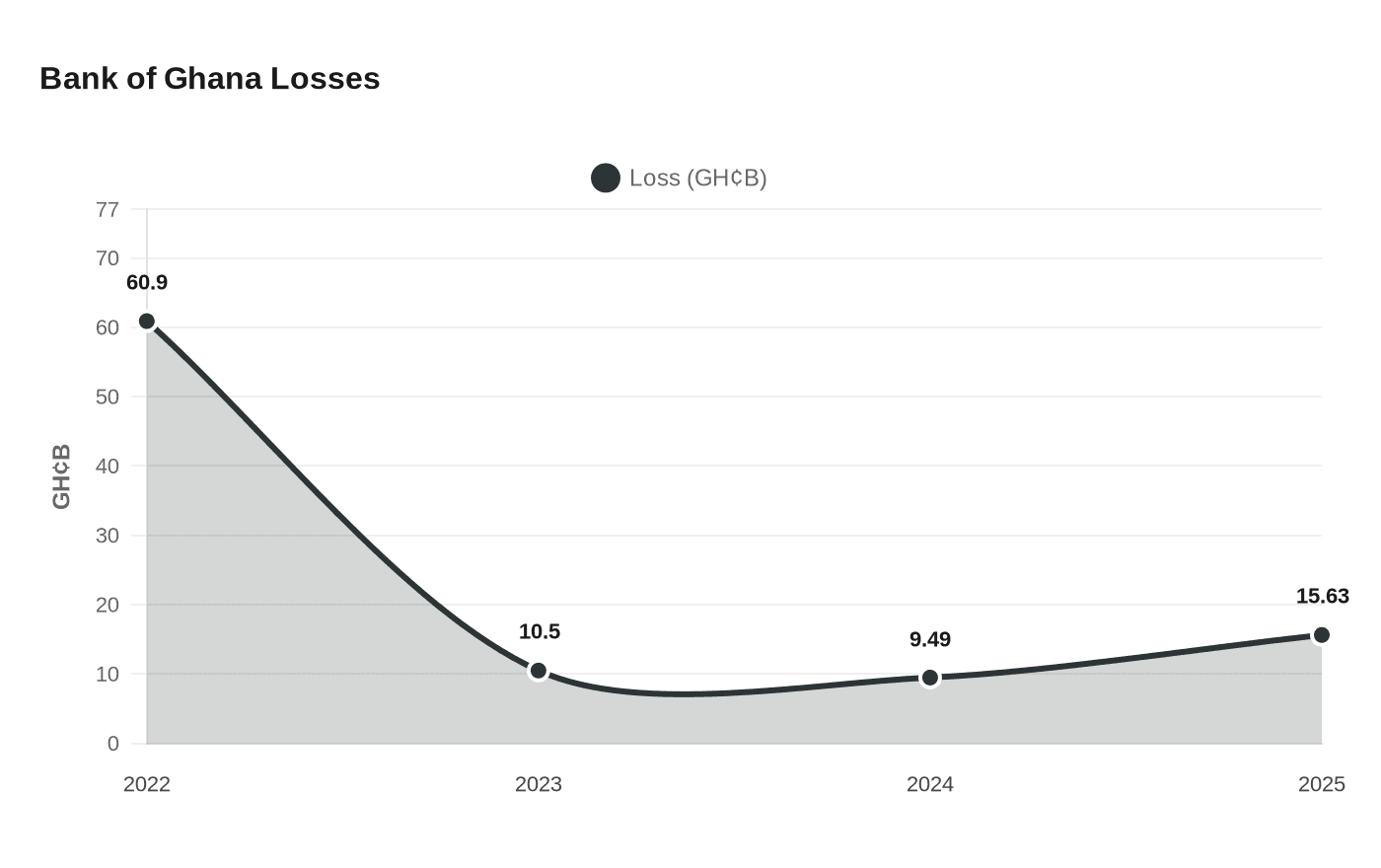
The Bank of Ghana released its audited 2025 financial statements on May 1, 2026, and reported a loss of GH¢15.63 billion for the year ended December 31, 2025. That followed an operating loss of GH¢9.49 billion in 2024, after even larger losses of GH¢60.9 billion in 2022 and GH¢10.5 billion in 2023. The Minority Caucus in Parliament has argued that the 2025 accounts do not tell the full story, saying the bank’s Other Comprehensive Income of about GH¢19.3 billion and items linked to gold sales push the real loss closer to GH¢44 billion.
KPMG gave the 2025 statements an unmodified opinion, but the report also signaled that not every line item was routine. The audit highlighted investment impairment as a major area of focus and said impairment of investment securities required significant judgment. That matters inside an audit practice because it is exactly the kind of call that can draw scrutiny from review partners, quality-control teams, and regulators when the numbers become politically sensitive.
Oppong Nkrumah, the Ranking Member on Parliament’s Economy and Development Committee and MP for Ofoase-Ayirebi, has separately called for urgent recapitalisation of the Bank of Ghana. His criticism of the audit has been amplified by TV3 Ghana, which defended KPMG and questioned the MP’s auditing credentials as the losses debate intensified. The fight has widened beyond one audit opinion into a broader argument over who gets to define the central bank’s financial reality.
The Bank of Ghana says its 2025 statements were prepared under national laws, including the Bank of Ghana Act and the Public Financial Management Act, together with its internal accounting policies. That distinction is now central to the controversy, because the debate is not only about whether the numbers are wrong, but whether the reporting basis itself has become a public-relations liability.
For KPMG, that is the professional stake: once a central bank audit is dragged into Parliament, every judgment call, every accounting basis decision, and every sign-off memo can be read as a test of independence. In a market still living with the aftershocks of sovereign default, debt restructuring, currency collapse, and inflation above 50 percent, the reputational cost of getting that judgment wrong can travel well beyond Accra and into every other assurance engagement on the firm’s desk.
This article was produced by Prism’s automated news system from verified source data, official records, and press releases, then run through automated quality and moderation checks before publishing. The system is built and supervised by the people who set the standards it runs under. Read our full AI policy.
Did this article answer your question?


.pdf%2F_jcr_content%2Frenditions%2Fcq5dam.thumbnail.319.319.png&w=1920&q=75)