KPMG candidates should weigh total rewards, not just salary
The smartest KPMG offer is the one that pays you in more than cash, especially when benefits, flexibility, and progression shape your day-to-day life.
Base salary is only the starting point
A KPMG offer can look impressive on a headline number and still be the wrong fit once the rest of the package is on the table. In a Big Four environment, where client demands, long hours, and seasonal pressure can define the job, the real value lives in the full mix: bonus, retirement, health coverage, paid time off, flexibility, and the support you get when life gets complicated.
That is the core mistake many candidates make. Salary is important, but it is not the whole compensation story. KPMG’s own rewards materials say compensation packages can shift quickly with the market, and its benefits handbook notes that wages and salaries are typically the largest component of employee benefits, but not the only one. If you only compare base pay, you can miss a stronger overall offer that may support your health, your time, and your long-term career.
Think in terms of total rewards
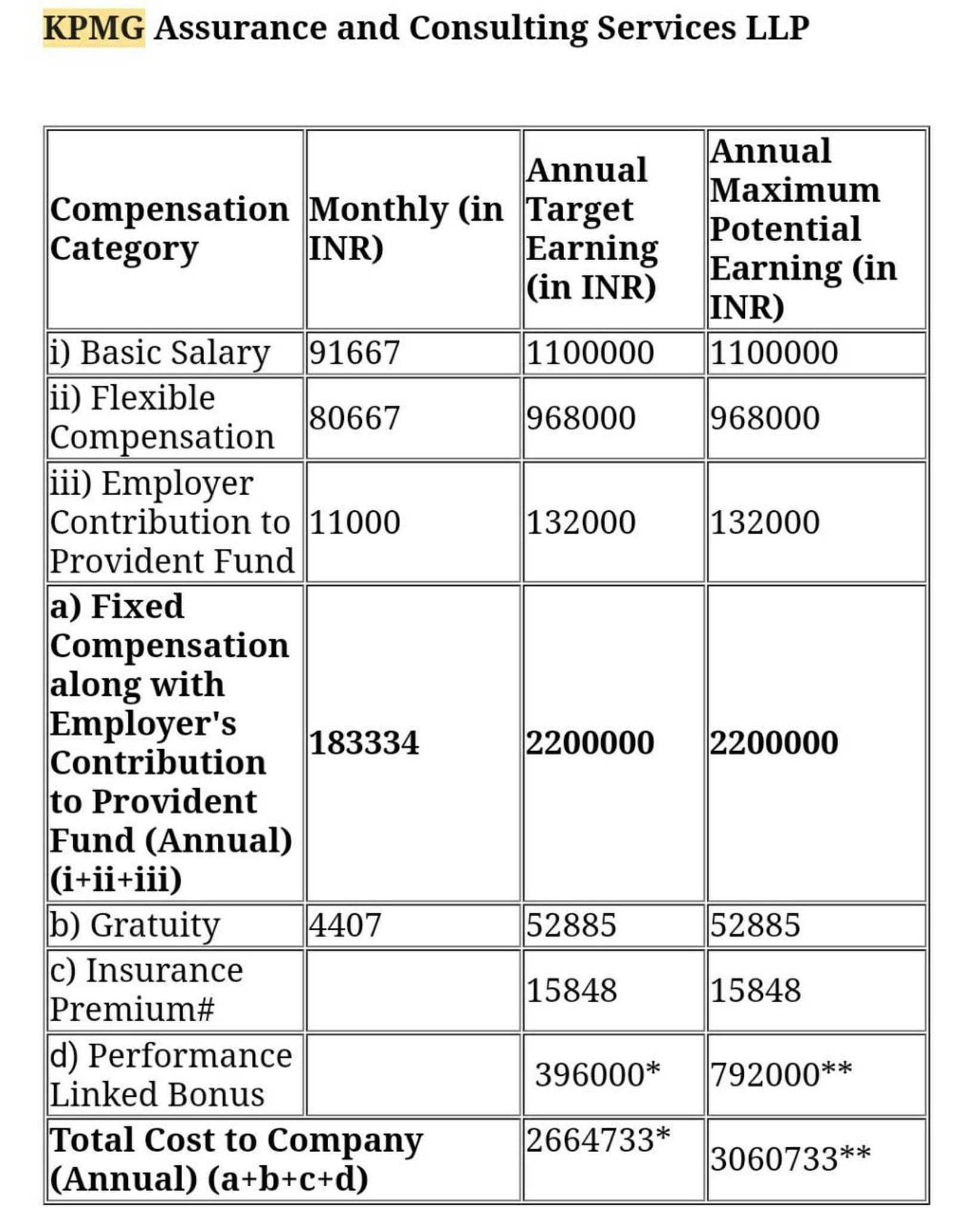
The cleanest way to compare two offers is to treat them as full employment packages, not as cash contests. Start with the guaranteed money, then layer in the value of the annual bonus, retirement contributions, health coverage, and time off. A higher salary can be offset by weaker benefits, less predictable scheduling, or limited flexibility, while a slightly lower salary can be the better deal if it comes with stronger retirement design, better leave, and more support for caregiving or recovery.
That broader view matters even more at a firm like KPMG, where the day-to-day reality can be intense. The package is not just about what lands in your bank account; it is also about whether the job lets you stay functional through busy season, show up for clients, and still have enough energy to keep moving toward promotion.
What the market is telling candidates to value
SHRM’s Employee Benefits Survey, which has run since 1996 and is one of the longest-running U.S. benefits datasets, gives the current market context. In its 2025 survey, health-related benefits remained a top priority, and leave benefits tied with retirement savings and planning. Flexible working benefits ranked at 68%, family care benefits at 67%, and professional and career development benefits at 65%.
That ranking matters because it shows how workers are thinking about the full package, not just pay. Vacation leave and sick leave remain among the most commonly offered benefits, which is exactly why candidates should ask how generous those policies really are and how easy they are to use. SHRM also found that several paid-family-leave benefits fell by 2 percentage points in 2025, including bereavement leave and paid leave to care for immediate family, a reminder that not all leave stacks up equally across employers.
Retirement is part of the offer, not an afterthought
Retirement deserves the same attention as salary because it compounds over time. KPMG’s benefits handbook says more companies are moving toward defined-contribution retirement plans such as 401(k)s, and SHRM notes that traditional 401(k)-style plans remain the dominant retirement vehicle, while Roth 401(k) options continue to become more prevalent. For candidates, that means the right questions are not just whether there is a plan, but whether the employer matches contributions, how quickly you vest, and whether the plan gives you enough flexibility to fit your tax situation.
At a firm where career progression can take years, retirement design is part of long-term pay. A stronger match or better contribution structure can end up worth far more than a modest salary bump, especially if you stay through multiple promotion cycles.
Health, leave, and flexibility can decide whether the job is sustainable
KPMG says it has expanded mental health support through Resources for Living, and that kind of benefit should not be treated as a nice extra. In a high-pressure professional-services role, mental health support is part of the infrastructure that keeps people working, learning, and staying on track. If an offer comes with stronger health coverage, easier access to mental health resources, or better leave, that can be more valuable than a cleaner number on the pay line.
Flexibility is just as important. SHRM’s 2025 survey shows flexible working, family care, and professional development all sitting high on the list of valued benefits. At KPMG, where office expectations, client deadlines, and travel can collide with real life, flexibility can be the difference between a role that is manageable and one that becomes a churn point.

Why parenthood and connection belong in the compensation conversation
KPMG’s 2025 Working Parents Survey makes the tradeoffs visible. Seventy-six percent of working parents said becoming a parent boosted their motivation at work, but fully in-office parents reported higher satisfaction with career progression opportunities, at 84%, than hybrid parents at 77% and fully remote parents at 65%. That is useful context for anyone weighing flexibility against visibility.
The lesson is not that remote work is bad, but that flexibility can come with career tradeoffs if the firm’s promotion culture still rewards in-person presence. Candidates should ask how client staffing, coaching, and advancement actually work in practice, because an offer that looks family-friendly on paper may still leave you anxious about being overlooked.
KPMG’s 2024 Friends at Work research adds another layer. Eighty-one percent of workers said workplace friendships are highly valuable, and 68% said they have a positive impact on job performance. In a firm where pressure can isolate people, culture is not fluff. It can affect how quickly you learn, who advocates for you, and whether the job feels sustainable.
How to compare a KPMG offer the right way
Before you decide, put the package into categories and compare them side by side:
- Base salary and bonus: ask what is guaranteed and what is variable.
- Retirement: compare match rates, vesting, and whether the plan includes Roth options.
- Health and mental health support: look closely at coverage, out-of-pocket costs, and access to programs like Resources for Living.
- Leave: weigh vacation, sick leave, and any family-care or bereavement policies, not just the headline PTO number.
- Flexibility: ask how often remote or hybrid work is truly allowed, and how it affects staffing, reviews, and promotion.
- Development: consider training, learning budgets, and how the role prepares you for the next promotion cycle.
The best KPMG offer is the one that supports your life now and your trajectory later. In a firm where performance, visibility, and stamina all matter, total rewards are not a side issue. They are part of the job itself.
Know something we missed? Have a correction or additional information?
Submit a Tip