KPMG’s Lakehouse turns learning into a career-building experience
Lakehouse is KPMG’s bet that learning should shape how you advance, not just fill a training calendar. The campus now sits at the center of how the firm builds skills, culture, and retention.

Lakehouse is KPMG’s learning strategy made physical
KPMG’s Lakehouse is not just a polished campus in Orlando. It is the firm’s clearest signal that training, culture, and innovation are supposed to shape the employee experience, not sit off to the side of it. KPMG describes the place as “KPMG on its best day,” and that framing matters because it ties learning to identity, not to a one-off perk.
For consultants, auditors, and advisory staff, the subtext is hard to miss. If you are trying to move up in a firm built on promotion cycles, client pressure, and partner-track competition, Lakehouse says development is part of the job, not something you squeeze in after busy season.
What the campus is built to do
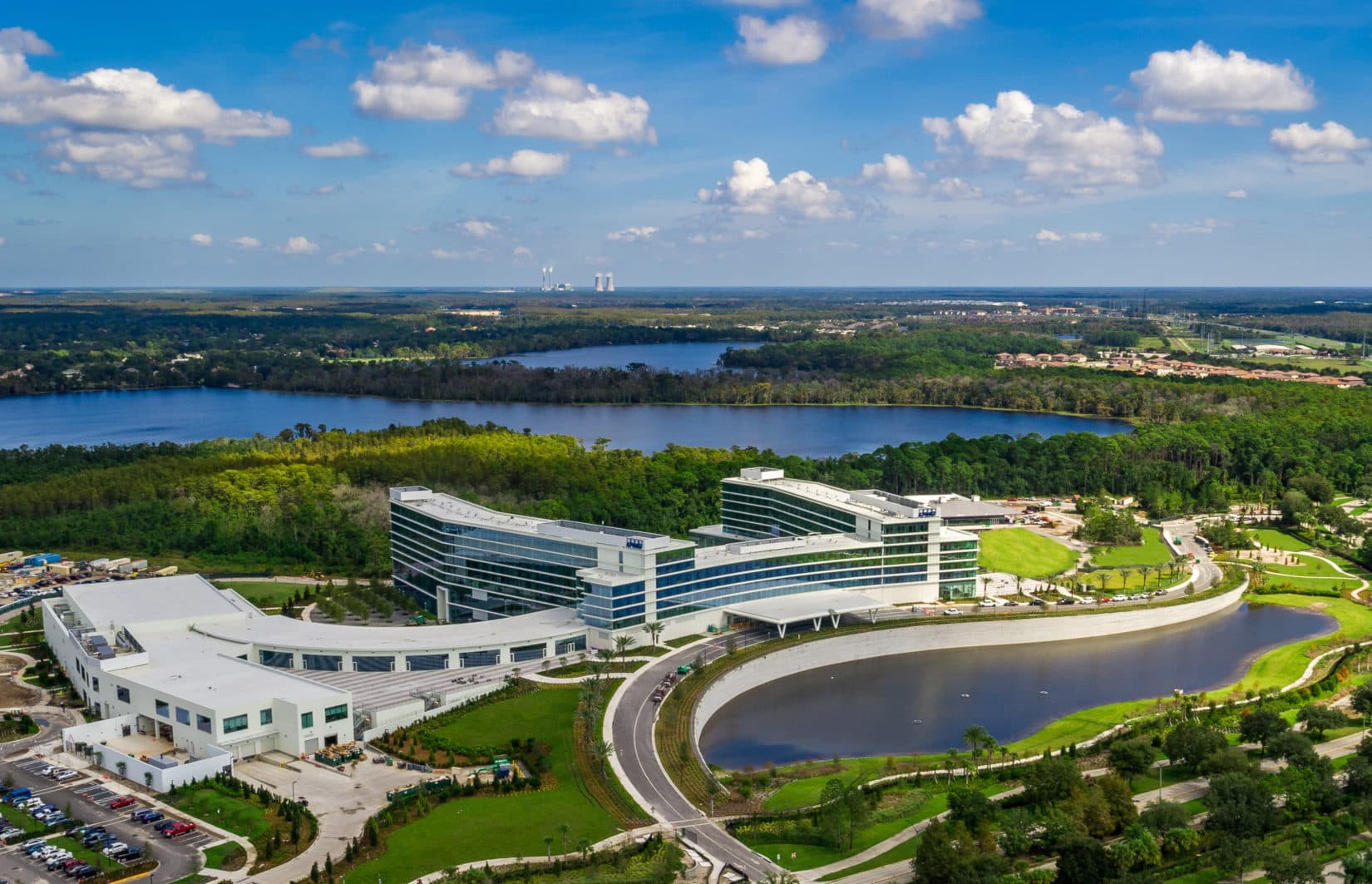
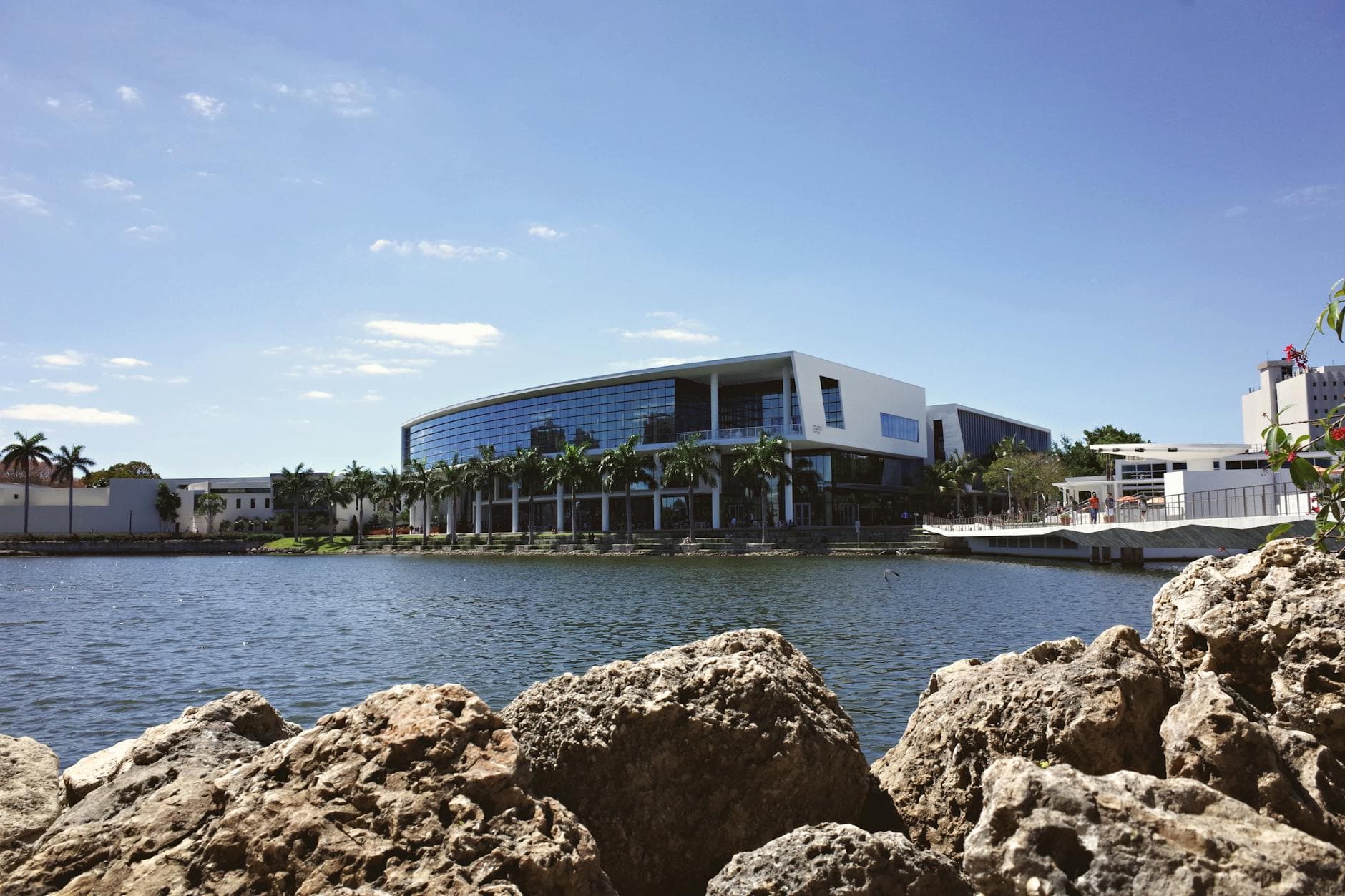
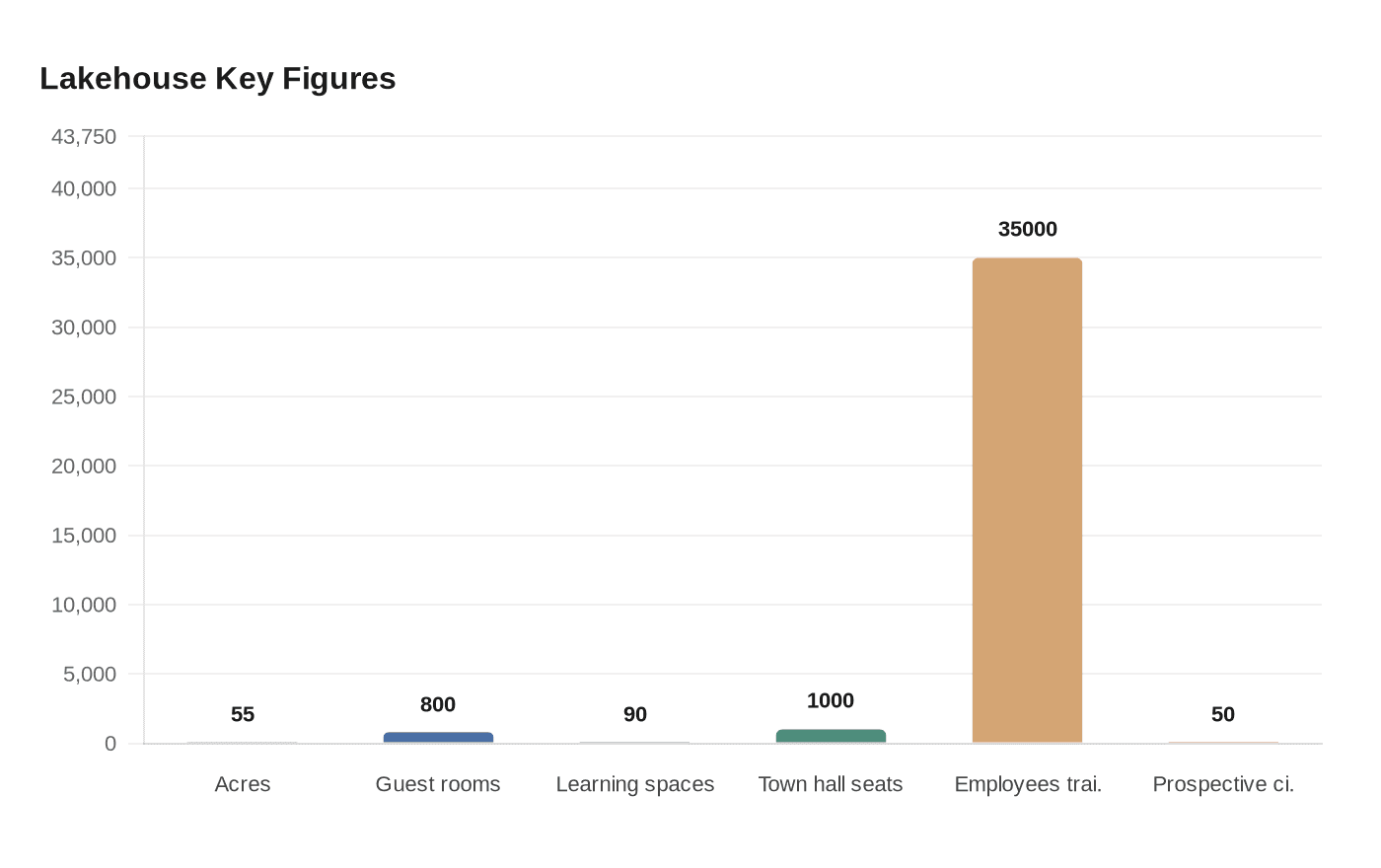
Lakehouse sits on 55 landscaped acres in Orlando, Florida, at 9301 Lake Nona Blvd., and KPMG calls it a purpose-built learning and innovation center. It was designed to push development beyond the classroom and into collaboration, discovery, and shared experience. That means the campus is meant to feel like a working environment, a training hub, and a place to build relationships at the same time.
The scale is part of the message. Public project descriptions place it at roughly 767,000 to nearly 800,000 square feet, with 800 single-occupancy guest rooms, about 90 learning and innovation spaces, and a 1,000-seat town hall or auditorium. KPMG also says more than 35,000 employees worldwide train there each year, which turns Lakehouse into a recurring stop in the firm’s talent pipeline rather than a ceremonial one-off.

Why the investment says something about KPMG
The project was reported as a $450 million investment, KPMG’s largest single capital project. That kind of spending is not just about real estate. It is a statement about where the firm thinks professional services competition is heading: toward skills, speed, and the ability to move knowledge across teams faster than rivals can.
KPMG also selected Lake Nona from a field of 50 prospective cities, according to Tavistock Development Company. The location choice matters because it shows the firm was not only buying land and sunshine. It was choosing an ecosystem that could support a national training destination, close to Orlando International Airport and anchored in a community where employees can travel in, train intensely, and leave with a clearer sense of how the firm wants them to work.
Learning that sits inside the career path
The strongest argument for Lakehouse is not architectural. It is career related. KPMG says the campus is where people go to meet, collaborate, recharge, give back to the community, and grow their careers. That is a different promise from the usual corporate training center model, where learning is treated like a compliance requirement or a break from the real work.
KPMG Executive Education pushes the same logic more broadly. The program offers a targeted curriculum in person and online, with timely topics and practical information meant to be used in the workplace to advance skills and careers. Put together, the message to employees is simple: the firm wants learning to be visible and continuous, not hidden between client deadlines.
That should matter to anyone thinking about how to stand out in a crowded class of high performers. In a firm like KPMG, the people who keep learning while they work are often the ones who get the next shot at stretch assignments, stronger reviews, and eventually leadership opportunities.
What Lakehouse changes for teams and managers
Lakehouse is also designed to make collaboration more deliberate. KPMG’s model depends on cross-team problem solving, and a campus built around shared spaces can help people exchange methods, compare notes, and spread best practices faster. That is especially useful in a firm where client service can vary widely by office, sector, and line of business.
For managers, the practical value is consistency. When people train together in a setting that encourages conversation, they are more likely to share how they scope projects, handle client pushback, or use newer tools. That can improve the client experience, but it can also tighten internal standards at a time when firms are under pressure to do more with leaner teams.
A response to AI, ESG, and changing work
Lakehouse has also evolved beyond classic classroom training. KPMG says the campus hosts Gen AI, ESG, and talent-and-culture strategy sessions, which tells you where the firm sees the next wave of workforce change. AI is already reshaping audit workflows, advisory delivery, and the way junior staff learn from senior ones, so a campus that teaches around that shift is also a way of managing it.
The innovation story is not abstract either. KPMG has deployed Verizon Business’s private 5G network in the Ignition Center at Lakehouse to support innovation work, including healthcare use cases. The point of that setup is clear: the firm wants employees to experience technology as part of problem solving, not as a slide deck topic separated from client work.
The opening date mattered, and so did the timing problem
Lakehouse opened on January 14, 2020, after a ribbon-cutting and press conference, right before the pandemic scrambled travel, office life, and in-person training everywhere. KPMG originally expected to host about 800 employees per week in Lakehouse’s first year, totaling more than 1 million hours of in-person professional development. The timing complicated the original business case, but it also made the campus a test of whether a firm can preserve culture and upskilling when remote work disrupts the usual rhythm.
What stands out now is that KPMG did not abandon the idea. Instead, it kept positioning Lakehouse as central to in-person development and later folded in programming around future-of-work topics as well. That suggests the firm sees the campus less as a retreat and more as a tool for keeping the organization coherent while the profession changes around it.
Why this matters if you work at KPMG
If you are trying to build a career at KPMG, Lakehouse is a reminder to treat development seriously early. The firm is showing you, in concrete form, that it values training, collaboration, and innovation as part of performance. That means technical depth still matters, but so does how quickly you absorb new methods, how well you build relationships across teams, and how ready you are to adapt as AI and client demands keep changing.
The broader lesson is that Lakehouse is not really about the building. It is about how KPMG wants employees to experience the firm: as a place where learning is tied to advancement, culture is built through shared work, and the best professionals are the ones who keep growing while the job gets harder.
This article was produced by Prism’s automated news system from verified source data, official records, and press releases, then run through automated quality and moderation checks before publishing. The system is built and supervised by the people who set the standards it runs under. Read our full AI policy.
Did this article answer your question?


.pdf%2F_jcr_content%2Frenditions%2Fcq5dam.thumbnail.319.319.png&w=1920&q=75)