KPMG cuts Ireland growth forecast as global risks intensify
KPMG’s 2026 call for Ireland now sits at 2% to 2.5%, a downgrade that points to slower hiring, softer deal flow and tighter budgets across client teams.
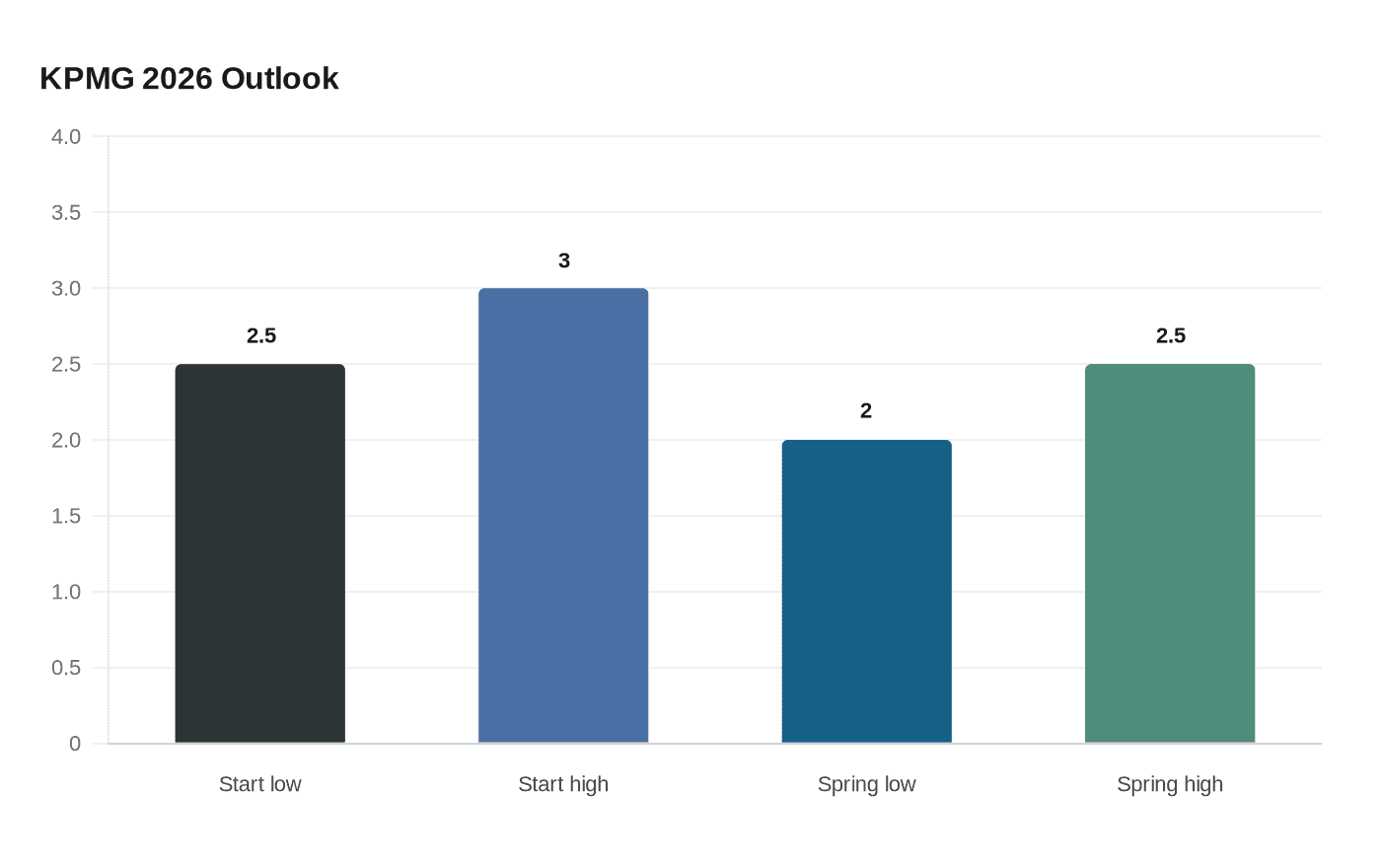
KPMG’s cut to Ireland’s 2026 growth outlook is the kind of warning that reaches the office floor before it shows up in the macro data. Its Spring Economic Outlook now puts growth at 2% to 2.5%, down from 2.5% to 3% at the start of the year, and that matters for finance, audit and advisory teams that rely on clients willing to approve new work, launch deals and keep headcount moving. In practice, a weaker outlook usually means slower hiring, more scrutiny on discretionary spend and more pressure to do the same work with fewer hours and tighter fees.
KPMG said the external environment has “deteriorated materially” since the start of the year, citing instability in the Middle East, renewed trade tensions and disruption to shipping and energy markets. The firm said those forces have already shaved 0.5 percentage points off Ireland’s growth projections. It also warned that Ireland is especially exposed to global and European energy-price movements because it is a price taker in energy markets, a reminder that cost shocks can hit Irish employers even when domestic demand is holding up.
That caution lands against a more mixed domestic picture. KPMG said Ireland entered 2026 with record employment and headline inflation on a downward path at 2.8%, but its own late-2025 outlook had been more confident, projecting 3% GDP growth and 2.5% modified domestic demand for 2026. Even then, it flagged the same pressure points that now look more acute: infrastructure bottlenecks, input costs, jobs growth, wage increases, global trade tensions and stock-market uncertainty. For KPMG people on the ground, that combination points to a tougher selling environment, especially in advisory work tied to expansion plans, capital spending and cross-border transactions.
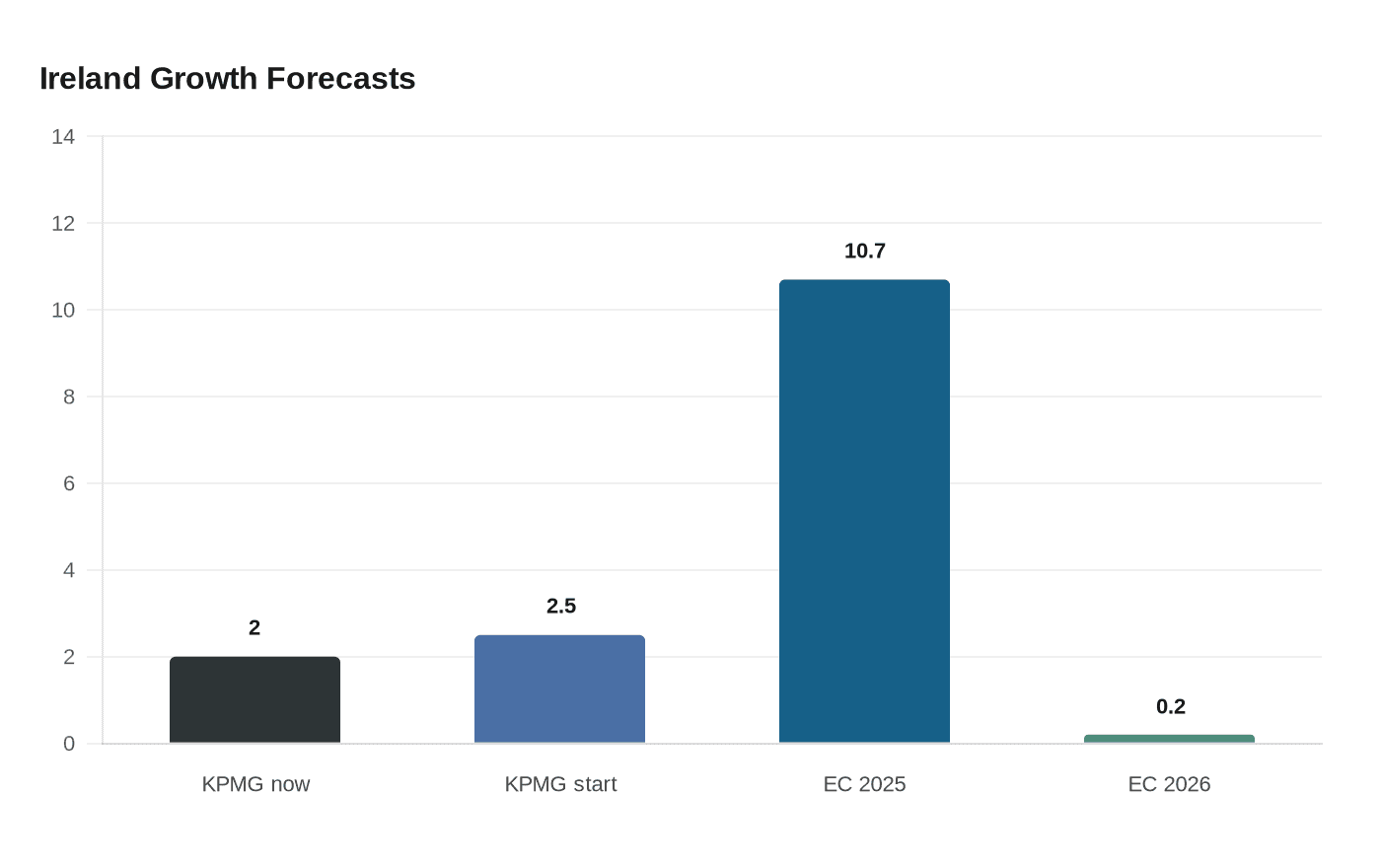
The downgrade also pushes KPMG closer to the cautious tone already coming from official forecasters. The European Commission projected Irish GDP growth of 10.7% in 2025 but just 0.2% in 2026, while the Central Bank of Ireland said on March 26 that higher oil and gas prices from Middle East conflict could mean lower growth and higher inflation than previously expected. On April 21, the Irish government said modified domestic demand would grow 2.1% this year, down from 2.3%, and said the 2026 outlook would have been upgraded to between 2.5% and 3% if the Iran conflict had not occurred. For employers, that is the early warning sign: the next squeeze is likely to show up first in hiring, project pipelines and the tempo of work.
This article was produced by Prism’s automated news system from verified source data, official records, and press releases, then run through automated quality and moderation checks before publishing. The system is built and supervised by the people who set the standards it runs under. Read our full AI policy.
Did this article answer your question?


.pdf%2F_jcr_content%2Frenditions%2Fcq5dam.thumbnail.319.319.png&w=1920&q=75)