KPMG flags tax and reporting risks in shipping, offshore operations
Shipping clients are exposed across tax, payroll and PE rules, and KPMG's July update spotlights Sweden, Dutch tonnage tax and offshore structure risk.
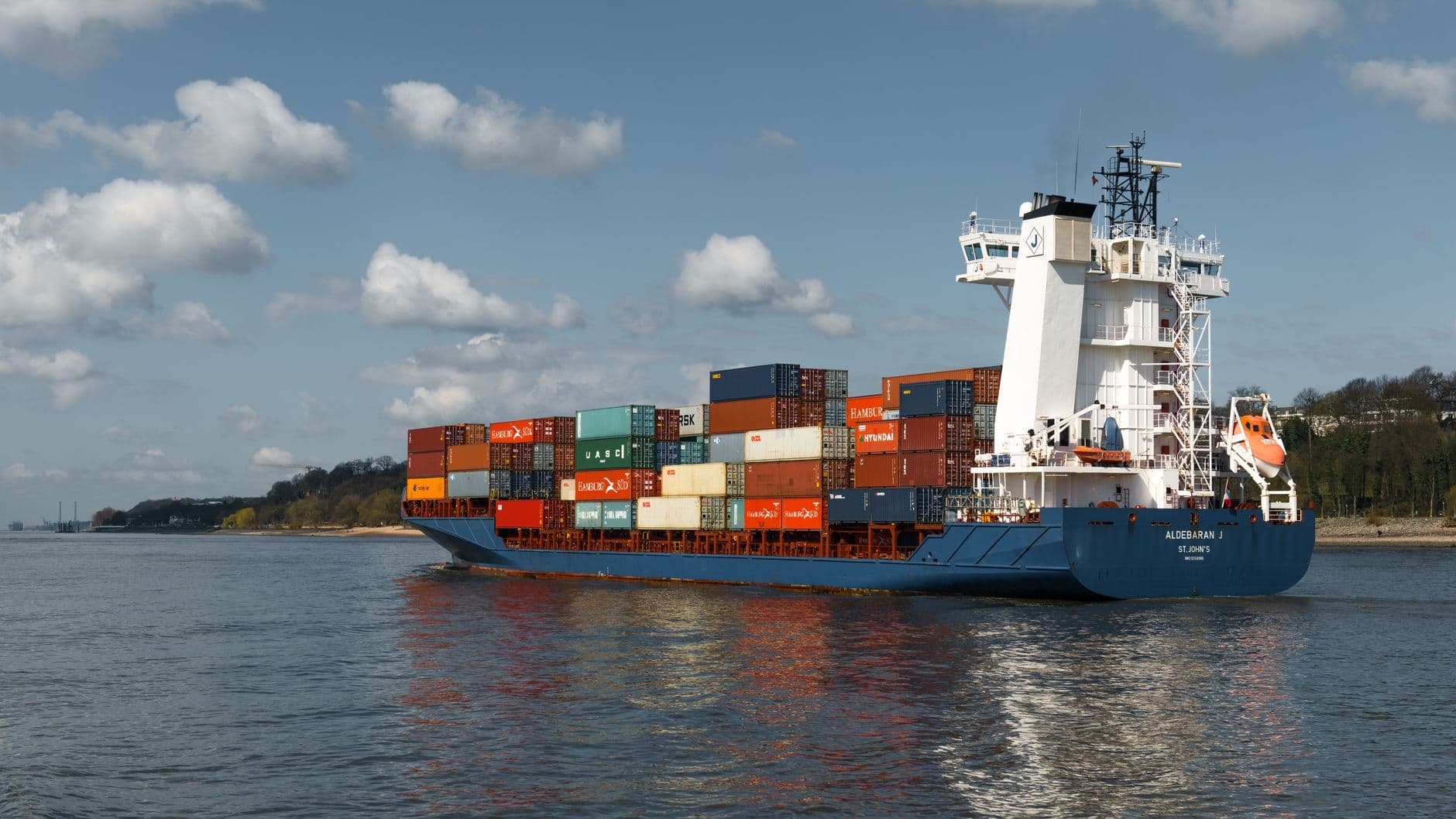
KPMG Meijburg & Co’s July 15, 2026 Shipping & Offshore Tax Update covers fleets, charter structures, vessel ownership models and mobile crews that can trip income tax, VAT, customs, withholding and permanent establishment questions at the same time.
Why this update matters to client teams
The July edition is a pre-summer update on jurisdictions modernising maritime tax regimes to strengthen competitiveness. For client teams, that is a signal to recheck how a client is structured today: who owns the vessel, who charters it, where the crew is employed, and which entity books the revenue and costs. For KPMG tax, transfer pricing and global mobility teams, the practical risk is that a seemingly routine voyage change can alter which jurisdiction has taxing rights or which entity needs to document substance, services and payroll support.
The shipping sector is unusually cross-disciplinary inside the firm. A client that reroutes voyages or shifts to mixed onshore and offshore operating companies can create exposure across corporate income tax, indirect tax, employment tax and customs in one go. The same operating decisions sit behind a restructuring memo, a transfer pricing file and a mobility review.
The risk map: where one operating change lands
Tax outcomes in shipping work follow operating choices. If a client is re-routing voyages, changing crewing patterns or splitting functions between onshore and offshore entities, the questions quickly move beyond headline tax rates and into permanent establishment risk, withholding exposure, economic substance and intercompany service pricing.
A change in chartering structure can change who is treated as earning the income from the vessel. A change in how crew are deployed can create payroll and social security issues. A shift in where management decisions are made can raise reporting questions in the local jurisdiction even where the commercial footprint seems small. Shipping clients often sit at the intersection of tax policy, maritime regulation and trade compliance.
Shipping contracts can include demurrage, laytime, bareboat charters and fuel adjustments, all of which require careful accounting treatment and documentation. In practice, that means the tax memo and the audit support file often need to line up, especially when contract terms shift during the year and the finance team is trying to close with limited time.

Sweden now, but the pattern is broader
The July 2026 update covers recent reforms of tonnage tax regimes in Sweden. That is the kind of development that tends to look local until a client has vessels, crew or booking entities spread across several jurisdictions. For a multinational shipping group, a reform in one country can change where it wants to place tonnage, how it thinks about ownership chains, or whether an existing structure still produces the intended tax result.
The March 25, 2026 edition of the same Shipping & Offshore Tax Update shows this is not a one-off alert. It covered developments affecting the European shipping and offshore sectors, including EU State aid and national shipping tax regimes. Read together, the two 2026 updates point to a regulatory environment in which maritime tax planning is being shaped by both domestic systems and wider European scrutiny.
A shipping structure that looked efficient a few years ago may now need a fresh look if the rules around state aid, substance or local regime design have moved. For KPMG practitioners, that translates into a simple but important discipline: do not treat the original structure memo as evergreen. Revisit the assumptions whenever the client changes operations, fleet mix or crew model.
The Netherlands example shows how the regime works in practice
Companies established in the Netherlands are generally subject to Dutch corporate income tax, but enterprises engaged in qualifying maritime activities may opt into the beneficial Dutch tonnage tax regime. That is the kind of election that can materially change a client’s effective tax profile, but only if the vessel activity and entity structure still fit the regime conditions.
If a client is deciding whether to keep a Dutch entity as the principal owner, shift functions offshore or change which company contracts with customers, the tonnage tax election may not be the only issue. The bigger question is whether the structure supports the client’s commercial plan without creating mismatches in filing obligations, transfer pricing support or local substance expectations.
The mobility and social security angle is easy to miss
The July update sits in a longer series that also appeared in 2025 and 2024, and mobility rules remain part of the shipping tax file. On May 8, 2019, the Court of Justice of the European Union ruled that a Latvian sailor working for a Dutch employer on a seagoing vessel under a non-EU flag outside the European Union was insured for social security purposes in Latvia.
Crewing patterns, flag state, employer location and state of residence can all affect where social security applies. A shipping client that treats crew deployment as an administrative afterthought can end up with filing gaps, contribution disputes or inconsistent treatment across jurisdictions. The issue is not limited to mariners either: offshore operating models with rotating staff, project crews or mobile technical workers can create similar risk when local rules do not line up neatly with the commercial structure.
What KPMG teams should take from the July update
The July 15 update works as an exposure map for tax, transfer pricing, mobility and audit teams, pointing them to the same set of questions:
- Which entity actually earns the shipping income and bears the operating risk?
- Does the client’s chartering or crewing model create permanent establishment or payroll exposure?
- Is the structure still consistent with tonnage tax elections and substance expectations?
- Do contract terms such as demurrage, laytime, bareboat charter or fuel adjustments match the accounting treatment?
- Have local state aid, national regime or social security rules shifted since the structure was built?
This article was produced by Prism’s automated news system from verified source data, official records, and press releases, then run through automated quality and moderation checks before publishing. The system is built and supervised by the people who set the standards it runs under. Read our full AI policy.
Did this article answer your question?