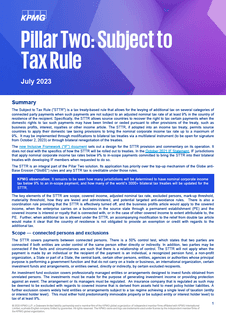
KPMG UK brochure maps graduate routes across key practice areas
KPMG’s brochure turns early careers into a staged funnel, from insight programmes to 3-year graduate routes that map straight into professional qualifications.
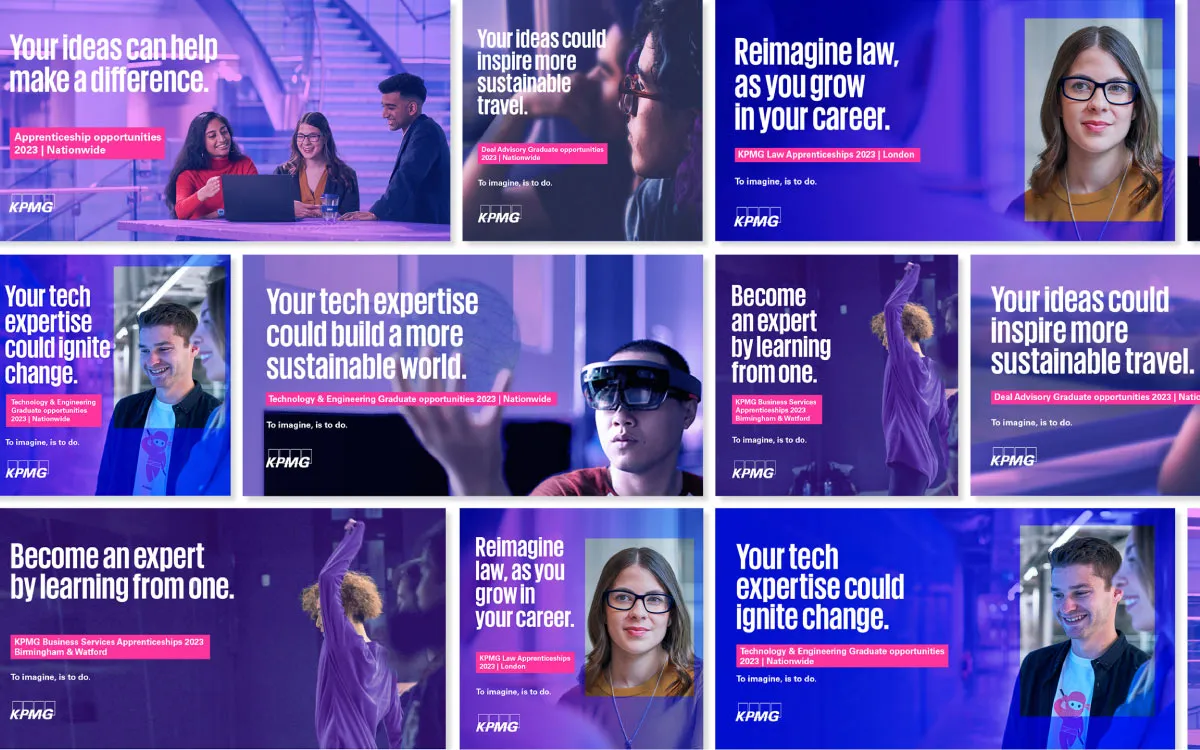
KPMG’s UK graduate brochure does more than list openings. It breaks early careers into undergraduate opportunities, insight programmes, one-year business placements, vacation programmes and graduate roles, under the promise, “Let your curiosity lead you.” That structure matters because it shows a firm trying to convert initial interest into a longer commitment, one step at a time, instead of asking students to leap straight into a full-time role.
How KPMG stages early careers
The current UK careers site reinforces that point. It starts with a simple ladder of apprentice, undergraduate and graduate routes, then widens the field to experienced hires, with opportunities spread across Audit, Tax & Law, Deal Advisory, Consulting, Technology and Business Services. The graduate pages also make a blunt offer: whatever subject you studied at university, you can still apply.
That is useful if you are trying to read KPMG the way a recruiter does. The firm is not just looking for one narrow academic profile, and it is not treating early careers as a single intake. Instead, it is building a path where you can first sample the environment, then test a specific practice area, then move into a role that is tied to a qualification track and a more defined career lane.
The practice areas that actually shape the work
The brochure names the areas that matter most inside the firm: Audit, Consulting, Deal Advisory, Tax & Pensions, Technology & Engineering and KPMG Business Services. The language on the main careers site has shifted slightly, using Tax & Law and Technology and Business Services, but the underlying message is the same: KPMG wants candidates to choose a discipline early and then build depth.
That is a telling signal for anyone thinking about progression at a Big Four firm. In Audit, the work connects to assurance and controls. In Deal Advisory, the focus is on transactions and corporate change. In Consulting, the sell is transformation work. In Tax, the route is more specialist still, often tied to exams and technical regulation. The brochure’s layout suggests KPMG expects students to compare these lanes before they apply, not after they join.
Graduate roles are qualification routes, not generic analyst jobs
The archived programme PDFs make that even clearer. Several graduate paths run for three years, or 36 months, and lead directly into professional credentials. The Digital Consulting Graduate Programme is a three-year route with technology-specific accreditations. The People Consulting Graduate Programme is also three years and leads to a Chartered Management Consultant Award plus a CIPD-accredited qualification in Human Resource Management.
The technical and finance-linked programmes are similarly structured. The Analytics Graduate Programme runs for three years and leads to ACA, or CA in Scotland. The Mergers & Acquisitions Graduate Programme follows the same three-year pattern and also leads to ACA, or CA in Scotland. The Tax Graduate Programme lasts 36 months and leads to CFAB, ATT and CTA, with Scottish equivalents in Scotland.
That detail matters because it shows the graduate offer is built around a credential journey, not just a job title. In practice, that means KPMG is selling a route into promotion-readiness, exam support and specialist status, which is often what makes or breaks early careers in professional services. If you are comparing firms, the question is not only which team you like, but which qualification track you want to spend the first three years of your career inside.
Insight programmes are the first filter, not the last
KPMG’s undergraduate pages make the role of insight programmes explicit. They are designed to help students “find out more about working life at KPMG.” The same wording appears on the Black Heritage Talent Insight and Social Mobility Talent Insight pages, which frame the programmes as a way to discover working life at the firm, build work experience, develop new skills, grow networks and gain learning that lasts.
The Discovery Work Experience programme sits one step further along that funnel. It is aimed at students finishing Year 13 who want to start an apprenticeship in autumn 2027, and KPMG describes it as the “perfect opportunity” for that group to get insight into the firm’s teams and career opportunities. Bright Network’s listing for KPMG’s Social Mobility Talent Insight Programmes 2024 adds more texture: those programmes were paid, lasted three days and ran from 16 to 18 April 2024, with a primary audience of students from low socioeconomic backgrounds.
Taken together, those routes show how KPMG uses short, low-commitment programmes to widen the top of the funnel. They are not just promotional events. They are a way to let students test the culture, learn the jargon and see whether the firm’s pace, hierarchy and qualification rhythm fit them before they are asked to commit to a longer placement or a graduate scheme.
The reward package is part of the signal
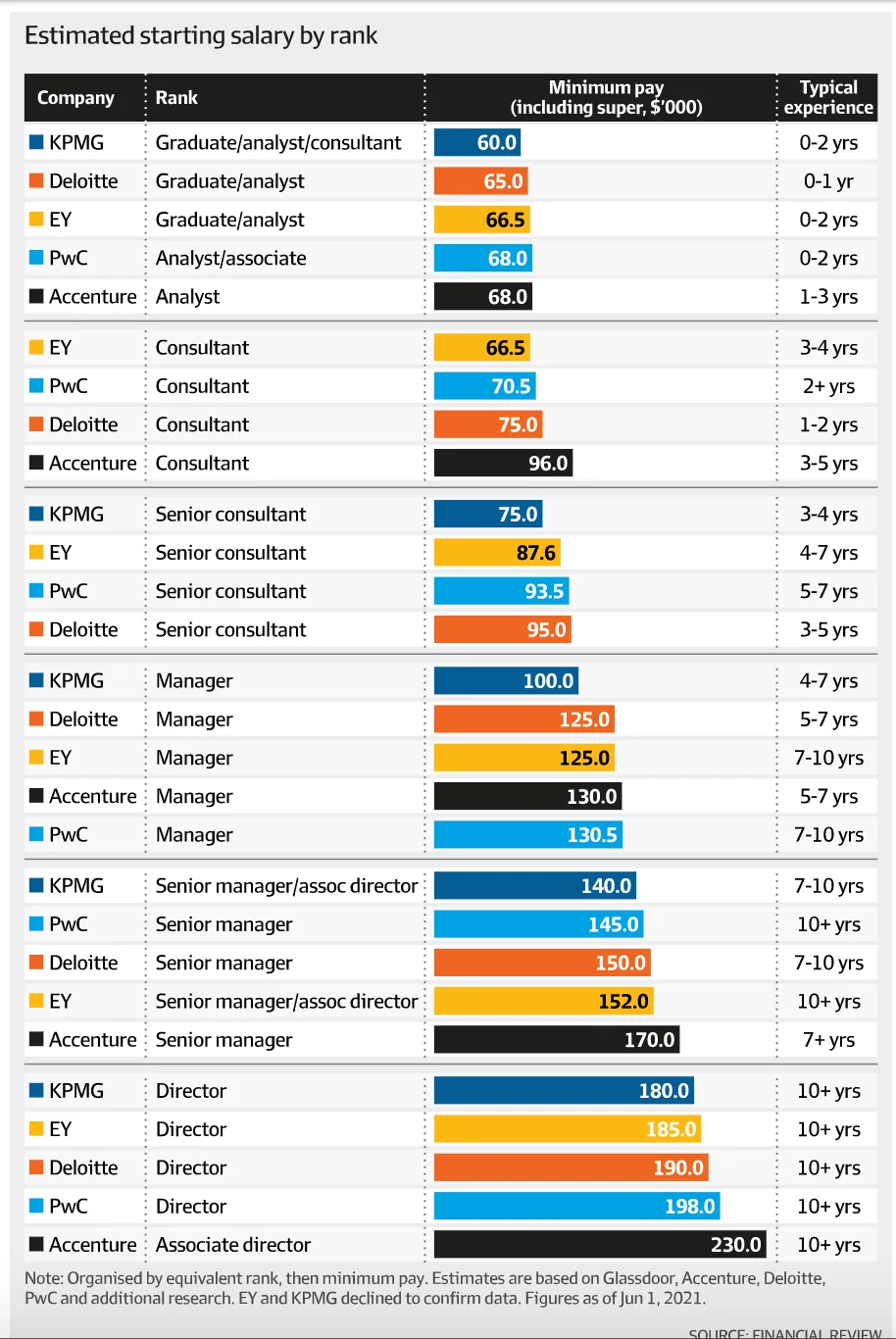
KPMG’s reward-and-recognition page says employees can expect a competitive salary and a broad range of benefits, including their birthday off. The brochure’s “Reward & benefits” and “Training & development” sections point in the same direction: the firm is packaging pay, learning and support together rather than treating salary as the only draw.
That matters in a business where early-career staff often work against tight deadlines, client demands and seasonal pressure. In audit, that can mean busy season; in consulting and deal work, it can mean unpredictable project cycles. KPMG’s careers pages lean on the idea of a collaborative and diverse environment that supports people professionally and personally, which is the language large firms often use when they know retention depends on more than compensation alone.
The broader workforce story behind the brochure
KPMG’s written evidence to UK Parliament said students, both graduates and apprentices, made up 20% of its workforce. That puts early careers at the center of the staffing model, not on the margins of it. If one in five people is still in a student category, the firm’s apprenticeship and graduate pipelines are doing real operational work.
The firm also has a long trail of pay-gap reporting behind it. KPMG first published its gender pay gap voluntarily in 2015. It has published ethnicity pay gap reporting since 2017. Since February 2021, it has also published sexual orientation, Black heritage and disability pay gap reporting. That history does not solve the usual professional-services questions about progression or representation, but it does show that early-career hiring sits inside a broader system of transparency and scrutiny.
How to read the brochure as a candidate
The practical takeaway is straightforward. If you want low-risk exposure, start with an insight programme or work experience route. If you already know the broad area but want to test the team, use a vacation programme or one-year business placement as the next filter. If you are ready to commit, the graduate routes are built to carry you through a three-year or 36-month qualification pathway in a named practice area.
That is the real value of the brochure. It does not just tell you where to apply. It shows how KPMG thinks careers should be built: staged, specialist and credential-led, with enough entry points for students to move from curiosity to offer without guessing at the route in between.
This article was produced by Prism’s automated news system from verified source data, official records, and press releases, then run through automated quality and moderation checks before publishing. The system is built and supervised by the people who set the standards it runs under. Read our full AI policy.
Did this article answer your question?