KPMG Senior Director Identified in Viral Altercation with Actor Alan Ritchson
A KPMG senior director's LinkedIn title became national news in 48 hours after a bodycam-documented street fight with Reacher star Alan Ritchson went viral, reaching TMZ and USA Today.
A LinkedIn profile turned national headline in under 48 hours. When Ronnie Taylor, a senior director in KPMG's Google Cloud Alliance practice covering financial services, life sciences, and AI in banking, was identified as the neighbor in a street confrontation with Reacher actor Alan Ritchson, his employer affiliation surfaced in entertainment and trade press within a single news cycle. By March 25, the incident had traveled from TMZ to Going Concern, the accounting profession's primary industry news outlet, guaranteeing it reached every KPMG employee with a browser.
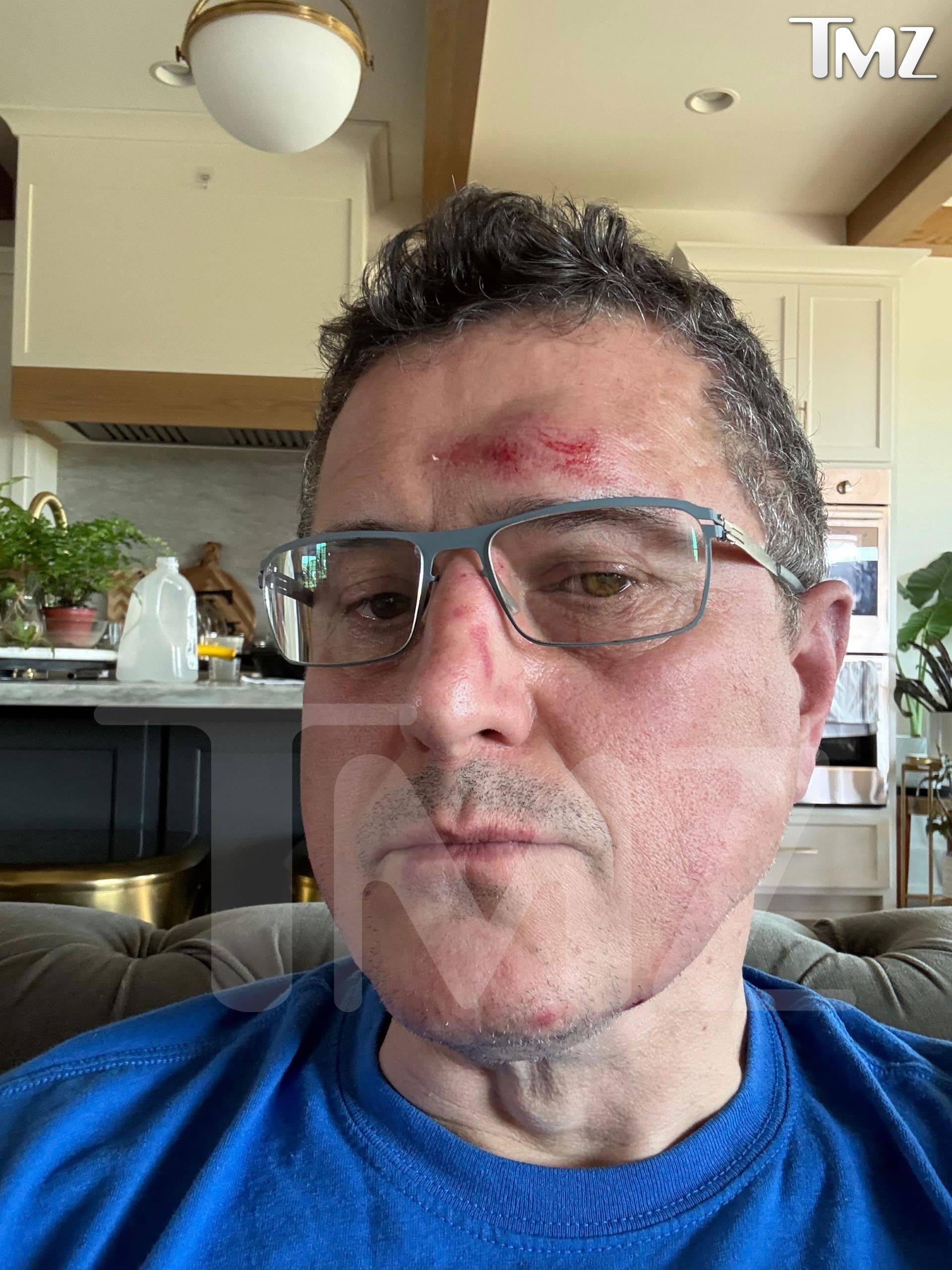
The altercation took place on March 21 in Brentwood, Tennessee, and began as a dispute over Ritchson riding his motorcycle through the neighborhood. Taylor confronted the actor on the street, later telling TMZ he believed Ritchson had been riding dangerously for two days. Bodycam footage released by Ritchson showed Taylor initiating the physical confrontation. The subsequent footage that went viral showed Ritchson striking Taylor multiple times; Taylor sustained a black eye and cuts across his forehead. The Brentwood Police Department reviewed video evidence and witness statements and closed the investigation, determining that Ritchson acted in self-defense. Taylor later said he dropped any pursuit of charges because he had "zero interest" in going to court.
The legal resolution changed nothing about the professional exposure. The moment Taylor's name and KPMG title appeared together across celebrity outlets and Going Concern, the firm's communications, HR, and legal functions faced a textbook off-duty incident response scenario with a compressed timeline.
The first 24 to 72 hours require a specific sequence of actions, and safety comes before reputation management. Taylor's visible physical injuries and the volume of public attention that follows viral identification both create secondary risks: harassment, threatening messages, and the kind of organized pile-ons that entertainment-adjacent controversies tend to generate. HR's first move should be direct contact with the employee, not to manage optics but to confirm what support is needed. The Employee Assistance Program covers crisis counseling and legal referral services; security teams should assess whether the online attention warrants a threat review. Employees on the receiving end of this kind of exposure should screenshot and date-stamp any threatening communications before reporting them through the firm's designated security or legal channels.

What KPMG can say publicly is narrow. Firms of this size do not comment on the personal legal matters of individual employees, and doing so typically amplifies rather than contains the story. The standard posture is to confirm employment only if already public, decline to characterize the incident, and monitor for client-side inquiries. Account managers on Taylor's active engagements should be briefed on the possibility of client questions, handled separately from any internal assessment of his status.
For colleagues on the same team, the practical reality is fielding questions on internal Slack channels and managing any service disruption during an active engagement period. Managers should treat this the way they would treat any acute personal crisis: coverage options, minimal performance pressure, and no public speculation about outcomes.
The structural lesson here runs deeper than one incident. Taylor's KPMG title was publicly visible on LinkedIn, the same platform the firm encourages for business development, recruiting, and partner-track visibility. In professional services, that visibility is an asset until a viral moment makes it a liability. When an off-duty event involves a recognizable public figure, bodycam footage, and national entertainment coverage, the professional identity does not stay out of the story. Firms that have rehearsed a response playbook anchored to employee protection, not brand protection, are better positioned to handle that 48-hour window than those that improvise it.
Know something we missed? Have a correction or additional information?
Submit a Tip