KPMG survey finds workplace friendships boost engagement and well-being
KPMG’s survey of 1,000 professionals says workplace friendships are a business issue: 81% call them highly important, and 78% tie them to better mental health.

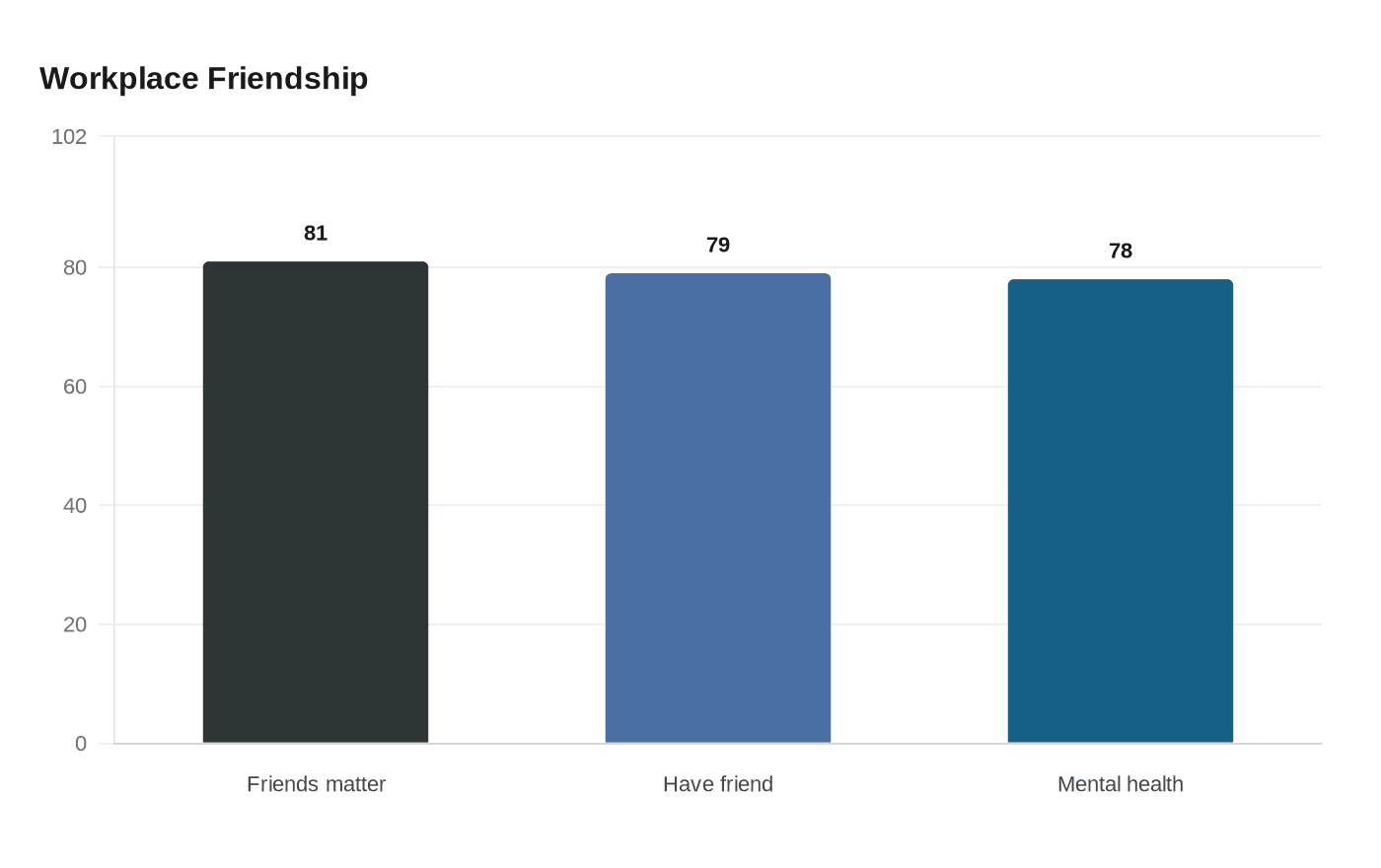
At KPMG, workplace friendships look less like office fluff and more like a management problem. In a survey of 1,000 full-time professional employees, 81% said friendships at work are highly important, 79% said they have at least one work friend, and 78% said those relationships provide positive mental-health benefits.
That matters in a firm where consultants, auditors and advisors spend long hours on project teams and often move between clients, deadlines and performance cycles with little informal time to build trust. KPMG said the Friends at Work research is meant to examine how workplace friendships affect mental well-being, engagement and job satisfaction in an increasingly technology-driven environment. The results point to a basic truth about professional services: connection is not a soft extra. It is part of how people learn, collaborate and stay engaged.

The survey suggests the issue is sharpest in hybrid work. KPMG said hybrid employees place the highest value on workplace friendships, which makes sense in a model that can thin out the everyday interactions that help people feel included. When work is split between home, office and client sites, camaraderie does not happen by accident. It has to be built into team routines, onboarding and manager expectations.
The findings also land differently for entry-level employees, who tend to rely on peer networks to understand how the firm really works. New joiners need more than technical training and staffing sheets. They need colleagues who can explain feedback, share context and help them recover when the workload spikes. In a business that depends on apprenticeship and eventual movement onto the partner track, weak workplace ties can make the early years feel colder and more isolating than they need to be.
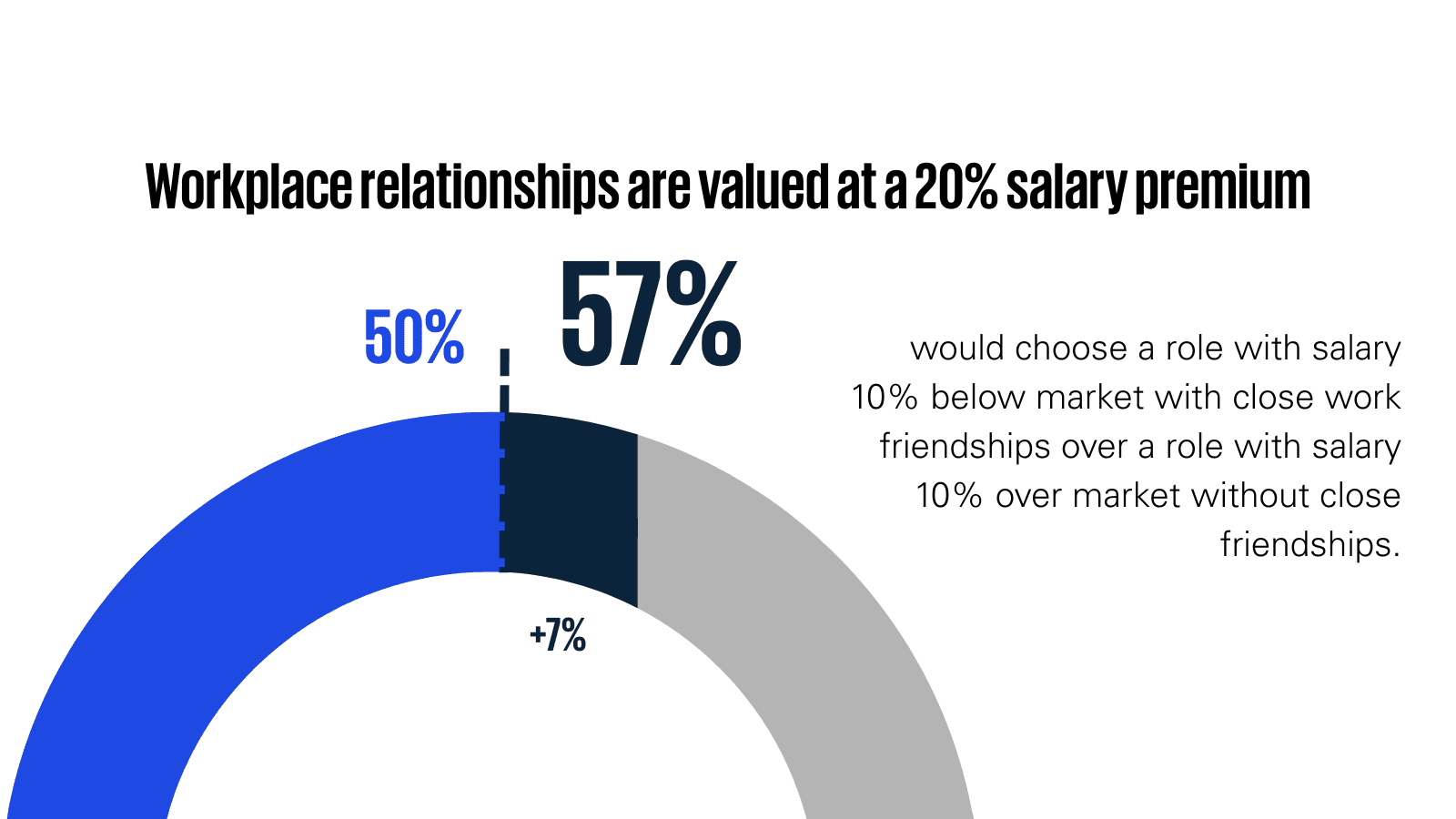
KPMG’s own framing is straightforward: employees with close friendships at work report stronger engagement, satisfaction and connection to the organization. For managers, that is not a morale talking point. It is a retention and productivity issue. Psychological safety and belonging can shape how well teams perform just as much as technical coaching or resource planning, especially when distributed work makes informal bonding easier to ignore.
The broader lesson for KPMG and its peers is that culture cannot be outsourced to individual employees. If firms want collaboration, resilience and loyalty in hybrid teams, they have to design for it. Otherwise, they are leaving one of the most important parts of professional life to chance.
This article was produced by Prism’s automated news system from verified source data, official records, and press releases, then run through automated quality and moderation checks before publishing. The system is built and supervised by the people who set the standards it runs under. Read our full AI policy.
Did this article answer your question?


.pdf%2F_jcr_content%2Frenditions%2Fcq5dam.thumbnail.319.319.png&w=1920&q=75)