ACCC Renews Push for Stricter Oversight, Licensing of Large Franchisors
Australia's competition regulator renewed its push for a licensing regime that could force large franchisors like McDonald's operators to gain government approval before selling new franchises.
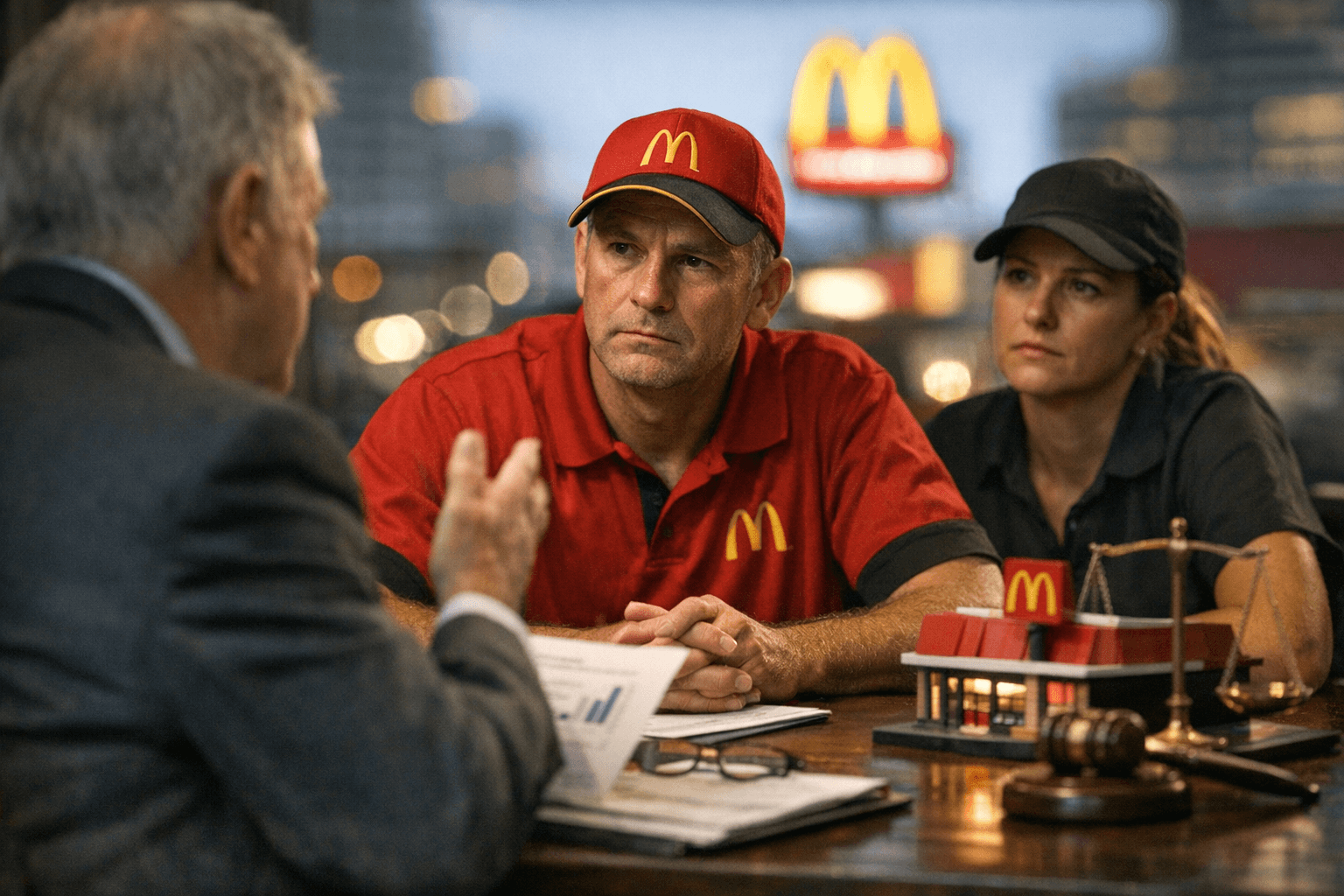
The key recommendation the ACCC has put forward is that a franchisor licensing regime should be implemented to address what it calls "persisting issues" dealing with the ongoing power imbalance in franchise arrangements. For the roughly 920 McDonald's locations across Australia, about 80 percent of which are owned and operated by local franchisees, the renewed push adds regulatory weight to a debate that could fundamentally change how operators acquire and hold their businesses.
The Franchising Code of Conduct regulates the conduct of franchising participants toward each other and addresses the imbalance of power between franchisors and potential and existing franchisees. But the ACCC has argued for years that the Code alone is not enough. The ACCC highlights that it operates in a reactionary capacity once harmful conduct has occurred and is therefore unable to proactively intervene and prohibit franchisors from engaging in problematic conduct.
The ACCC's overarching recommendation was to overhaul the sector by implementing a licensing framework for franchisors, which would, among other things, enable a regulator to quickly and cheaply suspend, cancel, and impose conditions on a franchisor's ability to promote and sell franchises.
A number of stakeholders, including the ACCC, have advocated for an ex ante licensing-based regulatory system. This stems from dissatisfaction with the current ex post approach to franchising regulation. Under the existing framework, recourse for a franchisor's misconduct is often after the fact with no pre-emptive management of problematic issues. As the Franchising Code review found: "The time and cost associated with court proceedings, and the financial position of the franchisor, limit the capacity for formal redress."
Under a formal licensing regime, the stakes for operators at McDonald's and other large franchise systems would shift considerably. A licensing system could impose requirements and conditions on franchisors that would address the power imbalance between franchisors and franchisees, and would also provide the ACCC with more powers to promptly address and prevent harm.
Franchisees are wanting quick and cost-effective processes, however litigation still remains the predominant means in dealing with disputes, which is cost-prohibitive to most franchisees. The licensing push directly targets that dynamic. This would ease the burden on the ACCC, which was already stretched in handling all disputes relating to franchising, as courts were slow, expensive, and adversarial.
A new Franchising Code of Conduct took effect from April 1, 2025, with some changes applying from November 1, 2025. But industry commentary has noted that the licensing question remains unresolved. The licensing regime has been advocated for by the ACCC on the basis that the existing system causes power imbalances between franchisors and small business franchisees, though any review and rollout would take longer than changes to the Code.
For workers at McDonald's Australia, the practical consequences of a licensing regime could run deeper than legal paperwork. A regulator empowered to suspend or cancel a franchisor's operating approval introduces a new layer of accountability over the operator sitting between crew members and the corporation. The ACCC has acknowledged that due to its own priority factors as a national regulator across various industries, many franchisee-related complaints are currently not able to be investigated. A licensing model would, in theory, change that calculus.
Overall, the licensing regime proposed by the ACCC would be a significant shake-up for franchisors, and extensive consultation and debate are still expected to come.
This article was produced by Prism’s automated news system from verified source data, official records, and press releases, then run through automated quality and moderation checks before publishing. The system is built and supervised by the people who set the standards it runs under. Read our full AI policy.
Did this article answer your question?