California fast-food wage law cuts hours, slows hiring at McDonald's
At McDonald’s California restaurants, a higher wage floor has become a fight over hours, staffing and kiosks, not just paychecks.

Higher pay at McDonald’s California restaurants is now being measured against smaller schedules. An April 21 analysis of AB 1228 argued that the state’s fast-food wage law has squeezed operators into cutting hours, slowing hiring and raising prices, making the day-to-day question for crew members not just what appears on a pay stub, but how many shifts the schedule still offers.
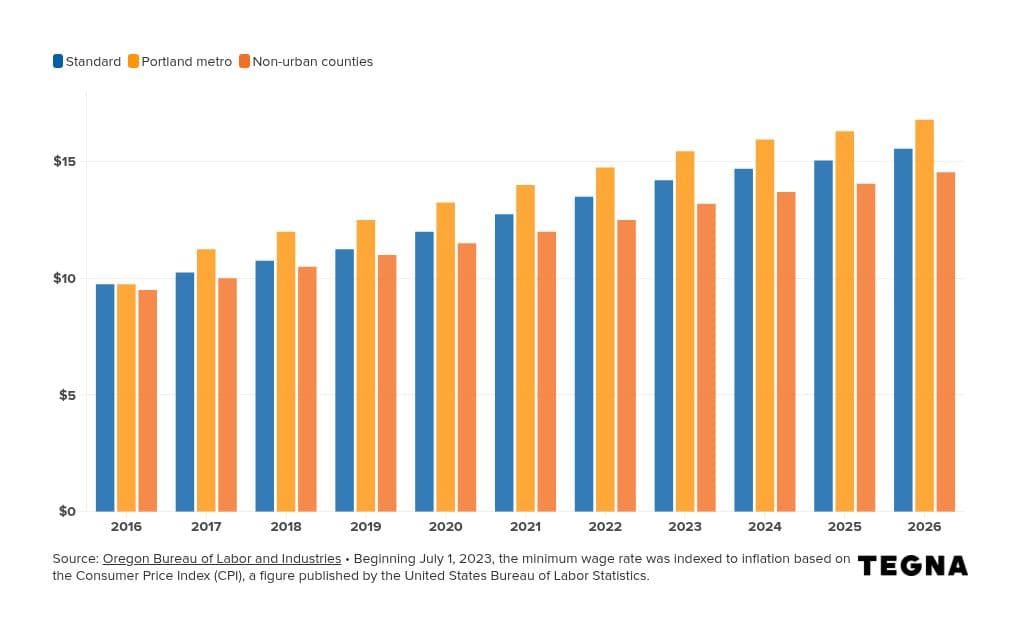
AB 1228, signed by Gov. Gavin Newsom on September 28, 2023, took effect on April 1, 2024, and set a $20 hourly minimum wage for fast-food workers at franchise restaurants with 60 or more locations nationwide. California said it had about 500,000 fast-food workers when the law was signed, and the governor’s office said the average hourly wage for the sector was $16.21 in 2022. Supporters, including Assemblymember Chris R. Holden and SEIU California leaders David Huerta and SEIU USWW, sold the law as long-overdue relief and a way to give workers more voice through the Fast Food Council.
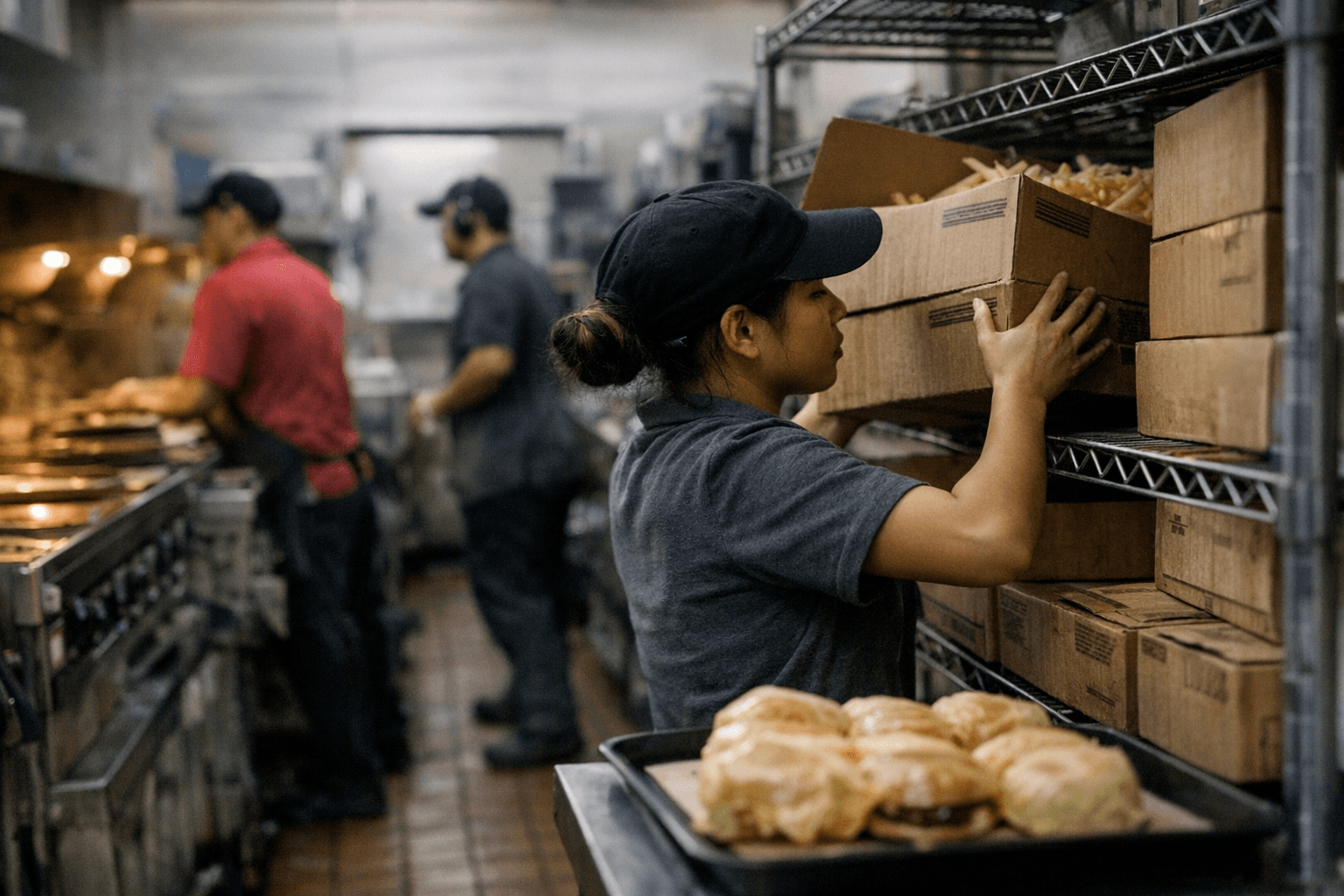
The latest critique of the law says the real fallout has landed in restaurants. It cites a study finding that McDonald’s locations in California reduced hours equivalent to 62 full-time jobs, while fast-food prices rose 8% to 12% and hiring slowed. For managers and franchisees, that translates into tougher labor budgets, tighter staffing grids and more pressure to protect margins when menu prices rise and customer traffic turns fragile.
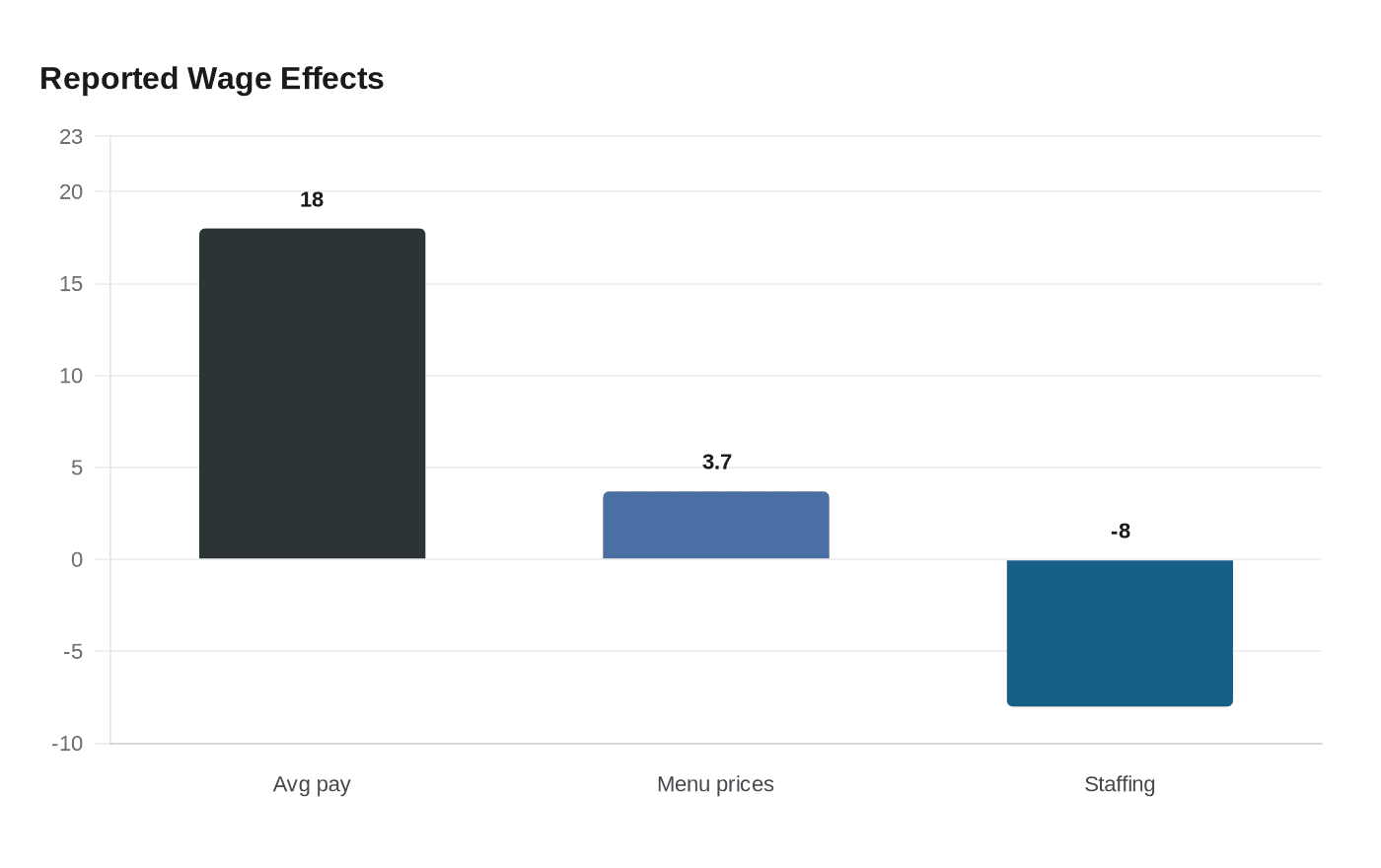
The dispute has become a scoreboard of competing studies. Researchers at the University of California, Berkeley Center on Wage and Employment Dynamics said the wage increase lifted average hourly pay by 18%, pushed menu prices up 3.7%, and did not cost jobs. A Pepperdine University School of Public Policy and Beacon Economics study, by contrast, said California’s fast-food industry had lost more than 23,100 jobs by April 2025. A UC Santa Cruz review of more than 100 franchise restaurants and independent interviews said the industry was still working through knock-on effects and unresolved disagreement.
The newest warning sign came from Northeastern University, which reported on April 24, 2026, that one study found an average 8% decrease in on-site staffing after the wage hike. That could mean fewer workers on the floor, fewer hours offered, or both. The same report said higher wage pressure could accelerate automation, including more kiosks at chains such as McDonald’s and Taco Bell.
That is why California’s fast-food fight has become a national proxy battle, including in Oklahoma’s SQ 832 debate. What started as a wage law is now a test of whether higher pay gets absorbed through prices, thinner staffing and more automation, or whether it can hold up without reshaping the whole shift.
This article was produced by Prism’s automated news system from verified source data, official records, and press releases, then run through automated quality and moderation checks before publishing. The system is built and supervised by the people who set the standards it runs under. Read our full AI policy.
Did this article answer your question?