California's $20 Fast-Food Wage Linked to Fewer Hours, Higher Prices
A UC Santa Cruz study found menu prices up 8-12% and overtime eliminated at California fast-food chains; state officials call the evidence too thin to trust.
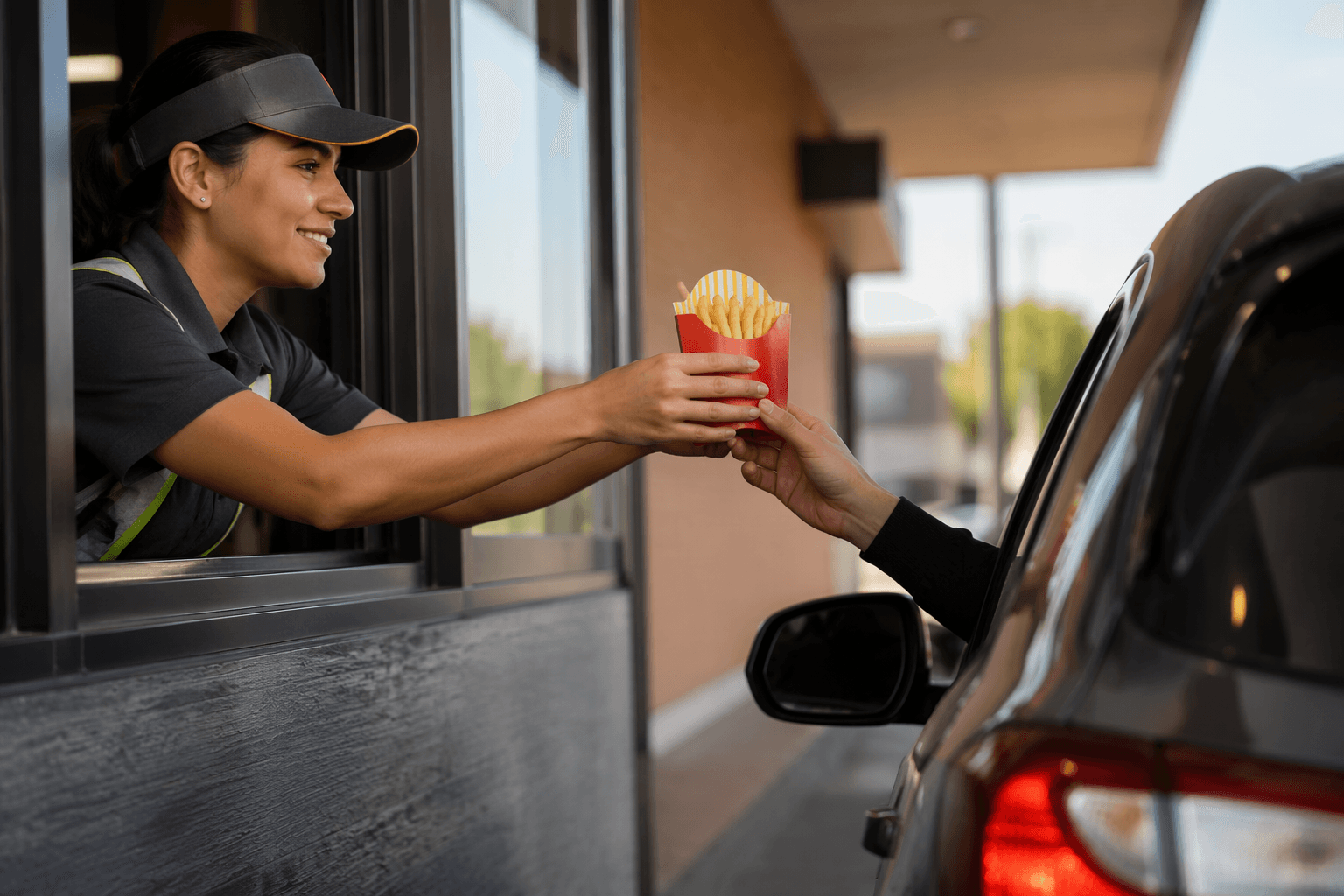
Two years after California's $20 fast-food wage mandate took effect, a UC Santa Cruz working paper landed with a finding that cuts against the straightforward narrative that higher pay means better outcomes: franchise workers in the study area earned more per hour and, in many cases, took home less each week.
The paper, titled "Let Them Eat Big Macs, Crunch Wraps, and Whoppers," was produced by UCSC economics lecturer Stephen Owen and four student researchers. The team combined public labor market data with in-person manager interviews at more than 100 fast-food outlets across Santa Cruz and the Central Valley, with particular focus on restaurants clustered within a mile of each other along Mission Street. Their findings point to menu price increases of 8 to 12 percent, reduced scheduled hours, widespread elimination of overtime, new eligibility barriers to hour-based benefits, and accelerating investment in labor-saving technology.
McDonald's, Burger King, and Taco Bell locations the research team examined had all installed automated ordering kiosks and payment terminals. Several were also piloting AI voice ordering at drive-throughs and automated dishwashing. Owen argued those investments are not coincidental. "Competitiveness in the fast food industry has always been about progressions in sophistication and efficiency, so the industry is really ripe for automation," he said.
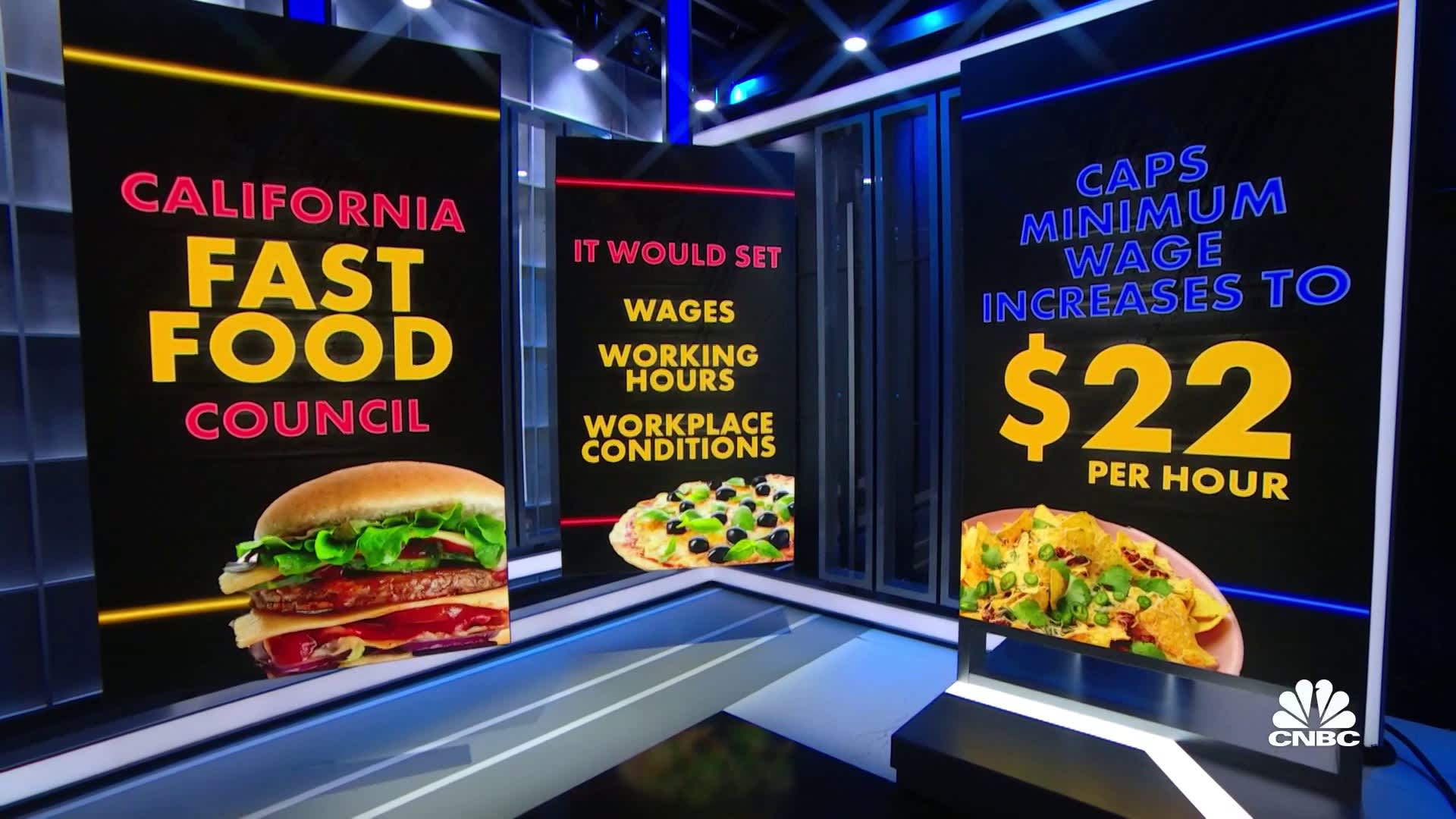
Assembly Bill 1228 took effect April 1, 2024, requiring $20-per-hour minimum pay at chains with 60 or more locations nationwide, a floor now more than $3 above California's general minimum wage of $16.90. For crew members who kept their hours intact, the arithmetic is positive. The problem the UCSC paper documents is that some operators responded by trimming total hours per employee, removing overtime that longer-tenured workers had relied on, and scheduling fewer people per shift.
"Based on what we've found, I think this legislation is a classic case of 'no good deed goes unpunished,'" Owen said. "There are unintended consequences and knock-on effects, and overall, I think the results have definitely not been as positive as policymakers had been expecting."
The governor's office rejected the framing. Tara Gallegos, a spokesperson for Gov. Gavin Newsom, said the paper is "based on a handful of interviews on one street in Santa Cruz," is not peer-reviewed, and that "its claims are flat wrong," adding that higher wages are "strengthening our economy and lifting workers out of poverty."
The dispute sharpened a day later when UC Berkeley researchers Michael Reich and Denis Sosinskiy released a competing analysis using mobile device location data at individual restaurants nationwide. That study found the mandate "did not reduce employment." The UCSC paper directly criticized Berkeley for making "no mention of fast food restaurants responding to the increase in the cost of labor through automation," the mechanism Owen identified as the deeper threat to crew hours even when headcounts hold steady.
That methodological gap is where a McDonald's worker's lived experience falls. Eliminating overtime does not appear in employment totals. Cutting a shift from eight hours to six does not either. A worker can remain technically employed while earning considerably less each week.
Under AB 1228, the Fast Food Council can raise the sector wage annually through 2029, capped at the lower of 3.5 percent or the rate of inflation. Franchise operators who have not yet committed to automation are watching each rate cycle run the same margin math that, according to the UCSC findings, has already started replacing crew members at the order counter with kiosks.
This article was produced by Prism’s automated news system from verified source data, official records, and press releases, then run through automated quality and moderation checks before publishing. The system is built and supervised by the people who set the standards it runs under. Read our full AI policy.
Did this article answer your question?