General Strike 2026 Could Draw McDonald's Workers Into April Protests
Fast-food worker centers have signaled participation in tomorrow's Strike26 action, putting McDonald's managers on alert for call-outs and possible store-front pickets.

By tomorrow's opening shift, some McDonald's managers may be fielding more call-outs than usual. A decentralized national coalition operating under the banner of Strike26 has called for coordinated work stoppages, pickets, and public demonstrations across multiple cities on April 5, urging participants to avoid going to work and to boycott major companies. Fast-food worker centers and labor unions have signaled possible participation or solidarity actions in targeted cities, a development that puts the chain's hourly crews squarely inside a protest moment organizers have framed as a major escalation.
The April 5 action is the second phase of a campaign that opened with a January 30 nationwide action Strike26 described as foundation-building. The more instructive precedent may be January 23, when a citywide general strike in Minneapolis drew more than 100,000 people into the streets despite temperatures that hit -30 degrees, ultimately pressuring a partial retreat of federal ICE and Border Patrol agents from the state. That mobilization, sparked by the killing of Renée Good during an ICE enforcement operation earlier in January, demonstrated how fast-moving local conditions can push a day of protest into something with measurable consequences.
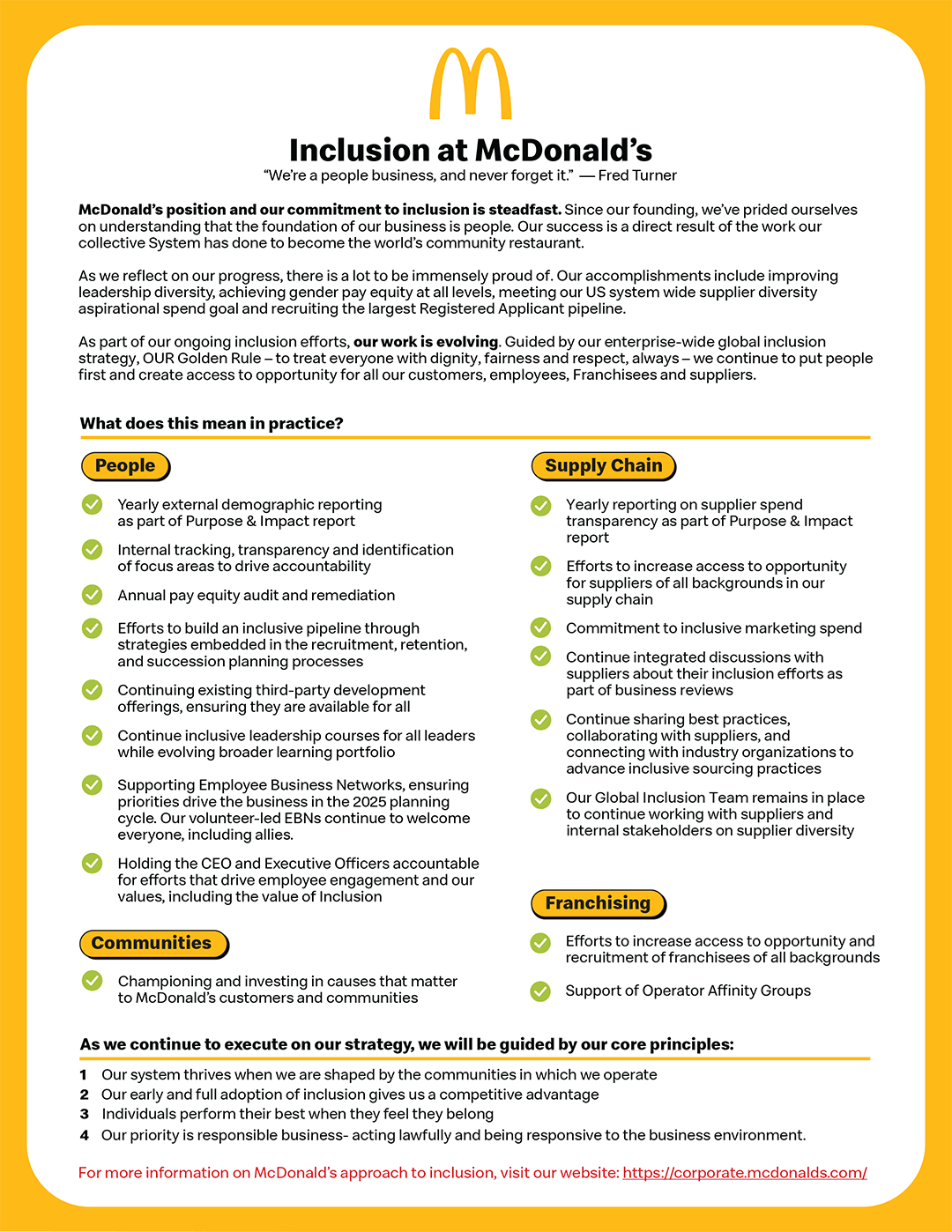
Strike26's demands center on immigration enforcement and broader political change, issues that intersect directly with the workforce demographics of fast-food restaurants, where many workers are immigrants or low-wage hourly employees. McDonald's has been the visible target of organized labor's fast-food campaigns since 2012, when Fight for $15 launched its first strike actions in New York. Strike26 is structurally different from that campaign; it requires no registration and publishes no list of participating organizations. But its core arguments map onto the same terrain that Fight for $15 has occupied for more than a decade.
For store managers, April 5 comes down to four concrete decisions. The first is coverage: contingency staffing plans should account for voluntary call-outs and ensure cross-trained employees can absorb gaps before the shift starts, not during it. The second is whether to operate at normal hours, reduce service, or temporarily close, a call that hinges on local safety assessments, municipal guidance, and any advisories flowing from the franchisee network. The third is escalation protocol: if a picket forms near the location, managers should know in advance who handles media and law enforcement contact and what the documented response looks like. The fourth is legal. Any discipline issued to an employee for participating in protected concerted activity creates exposure under the National Labor Relations Act, a risk that has been central to McDonald's organizing disputes for years. Today is the time to clarify that line internally, not tomorrow on the floor.
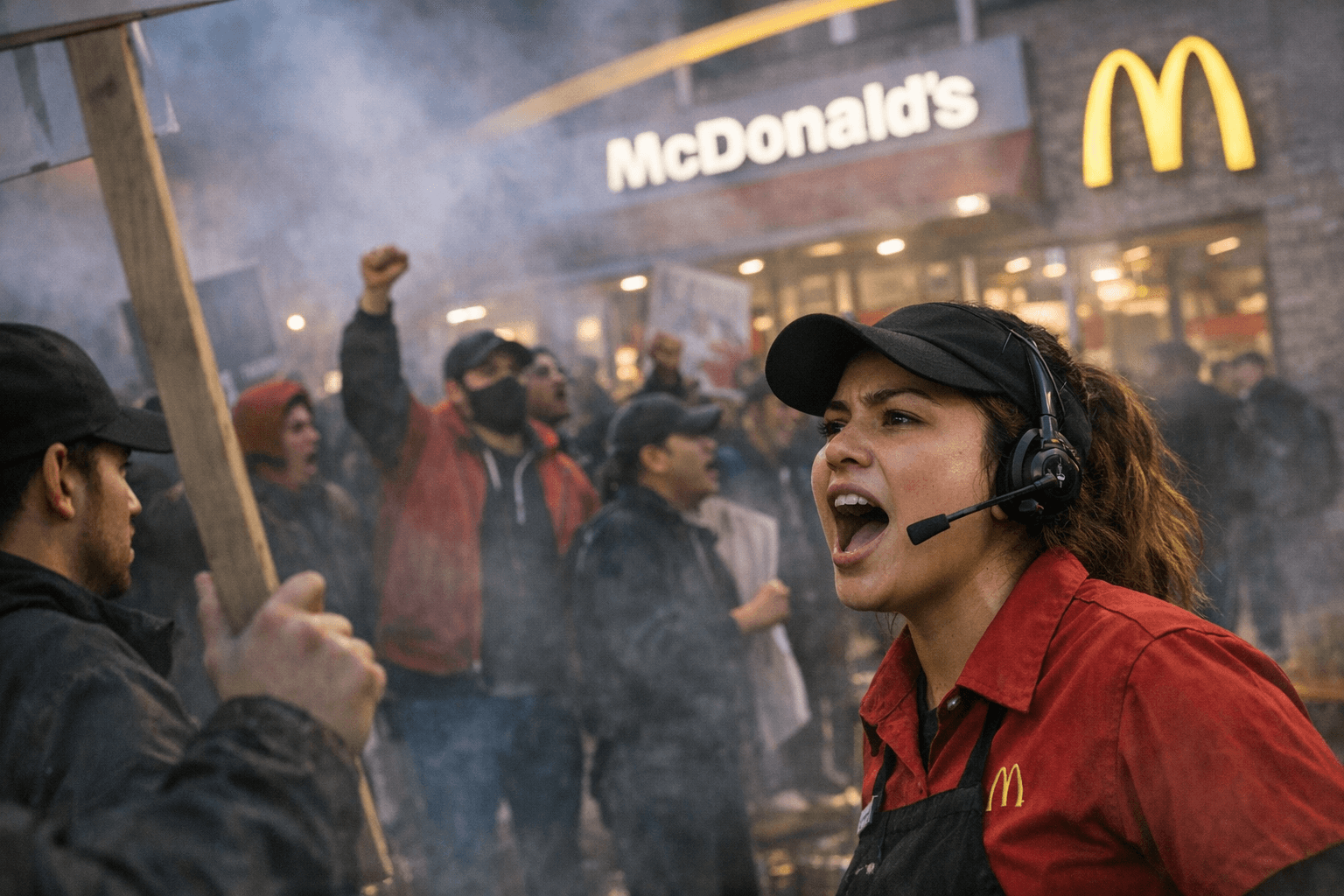
Crew members thinking about participating should note their scheduled shifts, keep records of any changes to hours or pay in the days after April 5, and understand that protected concerted activity under the NLRA can include participation in public demonstrations connected to workplace issues.
If participation is widespread, the April 5 strike could affect workplaces, schools, retail activity, and transportation, particularly in areas where large numbers of workers choose to stay home. If tomorrow's action produces visible disruptions across multiple cities, it is likely to accelerate further coordinated days of action focused on wages and scheduling reforms, the same issues that have defined daily life for McDonald's hourly workers since Fight for $15 first put the Golden Arches in front of a picket line.
This article was produced by Prism’s automated news system from verified source data, official records, and press releases, then run through automated quality and moderation checks before publishing. The system is built and supervised by the people who set the standards it runs under. Read our full AI policy.
Did this article answer your question?