Carl’s Jr. operator bankruptcy highlights wage pressure across fast food
A major Carl’s Jr. operator in California filed for Chapter 11, putting 65 restaurants in play and putting fresh pressure on fast-food franchise economics.
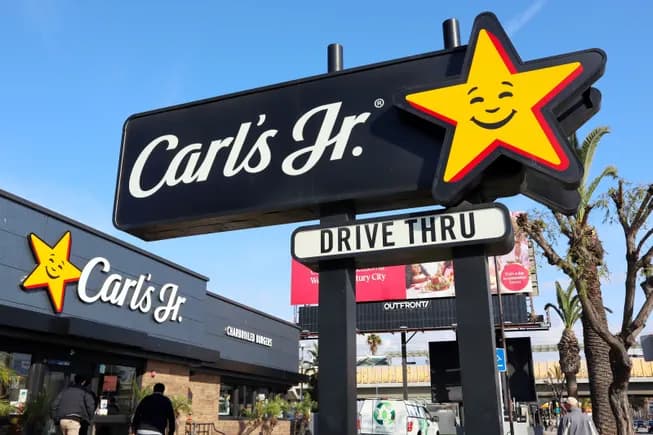
A major Carl’s Jr. operator in California has filed for Chapter 11, putting 65 locations at risk and turning one franchise’s balance-sheet stress into a warning sign for the rest of fast food. Friendly Franchisees Corporation, after more than two decades running restaurants, said the math had become hard to sustain in California’s higher-cost labor market.
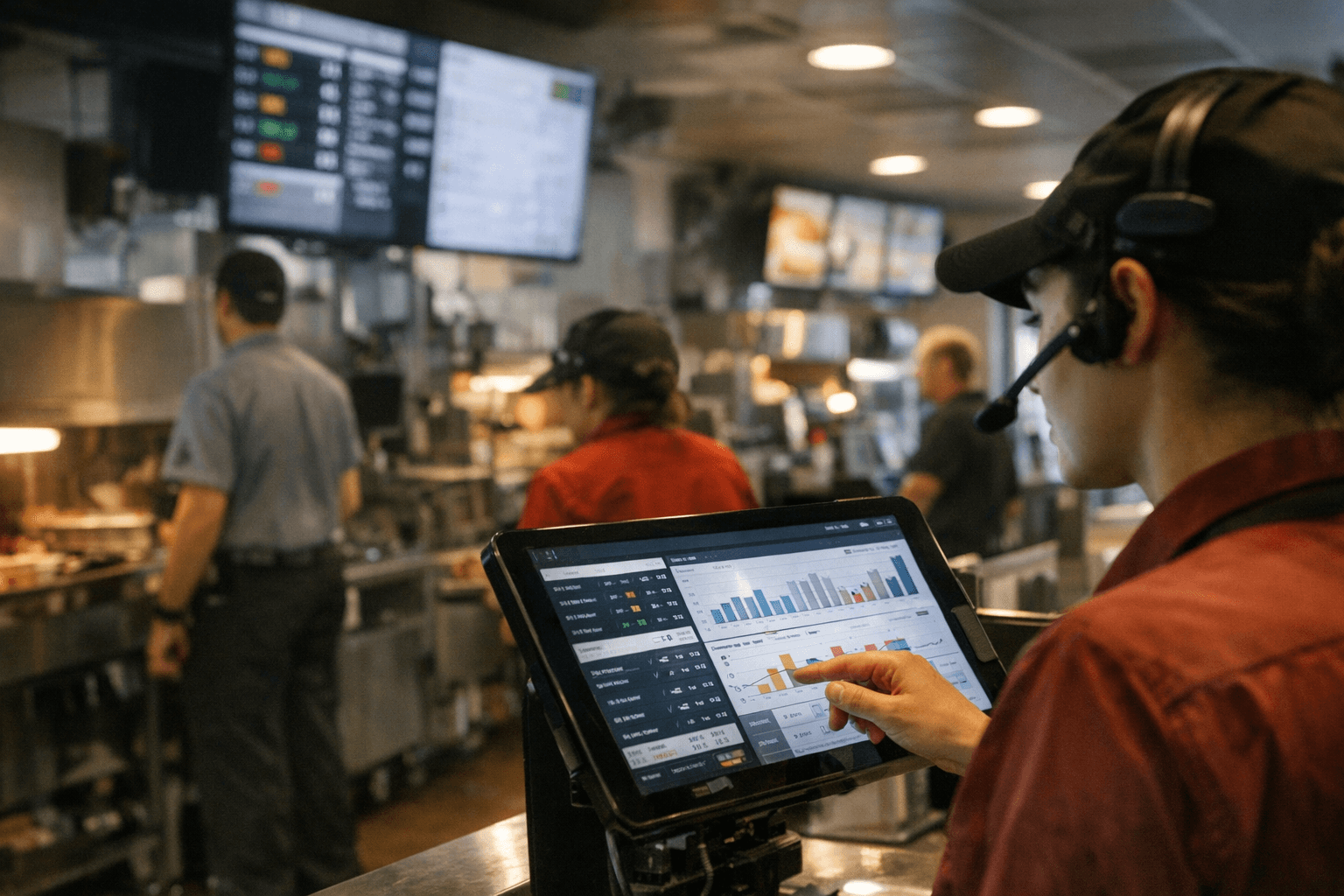
The filing matters well beyond one burger chain because the pressure point is the same one McDonald’s franchisees have been talking about since California’s fast-food wage law took effect. The state set a $20-an-hour minimum wage for covered fast-food workers on April 1, 2024, and created the Fast Food Council with authority to raise the rate annually within limits. California said more than 500,000 workers would be covered. For operators, that has meant a sharper focus on labor hours, staffing levels, pricing and menu mix, all of which can show up quickly in unit-level margins.
McDonald’s is especially exposed to franchisee economics because it remains overwhelmingly franchised. In its 2024 annual report, the company said about 95% of its restaurants worldwide were franchised at the end of 2024, and it operated 43,477 restaurants globally. When labor costs rise in a state as large as California, the strain does not stay local. Lenders and operators across the system watch whether stores can absorb higher wages without cutting hours, slowing remodels or passing more costs to customers.
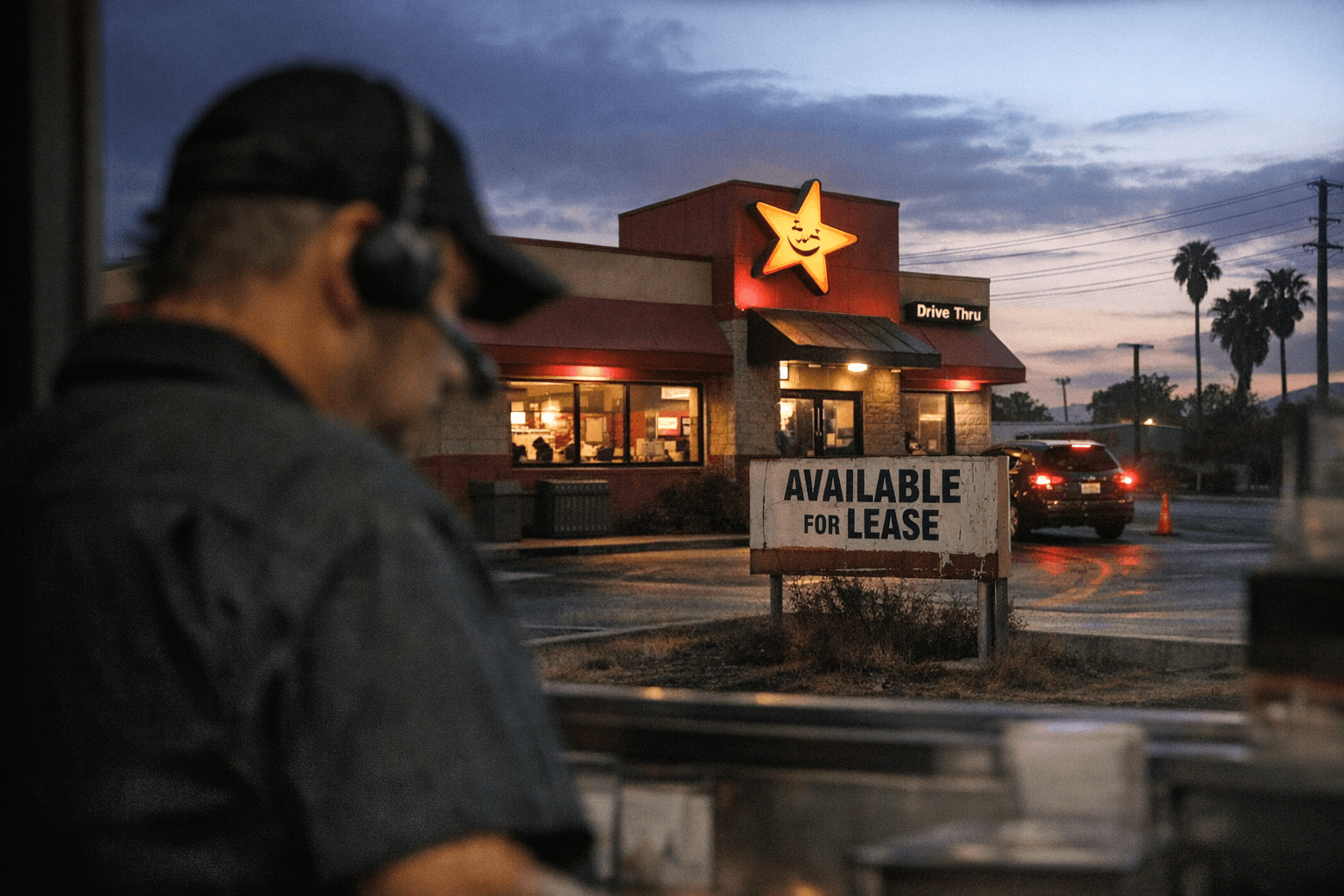
That tension has already surfaced inside McDonald’s California system. Franchisees there publicly discussed raising prices, trimming hours or delaying renovations after the wage increase took effect. Kerri Harper-Howie, a Los Angeles franchise owner, said sales declined after she raised prices to help cover the higher wage floor. Scott Rodrick, another California franchisee, called the new wage an unprecedented survival challenge and said it forced him to consider higher prices and shorter hours.
Friendly Franchisees’ bankruptcy, which covered multiple subsidiaries including Sun Gir, Senior Classic Leasing, DFG Restaurants, Second Star Holdings and Third Star Investments, adds another concrete data point to a fast-food industry still working through the effects of wage policy. For McDonald’s operators, the signal is clear: in California, labor law is no longer just a payroll issue. It is a test of whether the franchise model can still support the staffing levels, pricing and cash flow that store-by-store operations require.
Know something we missed? Have a correction or additional information?
Submit a Tip