Convenience stores intensify pressure on McDonald's breakfast and snack sales
Yesway’s top executive said convenience stores were stealing fast-food customers, raising the stakes for McDonald’s breakfast, snack and lunch traffic.
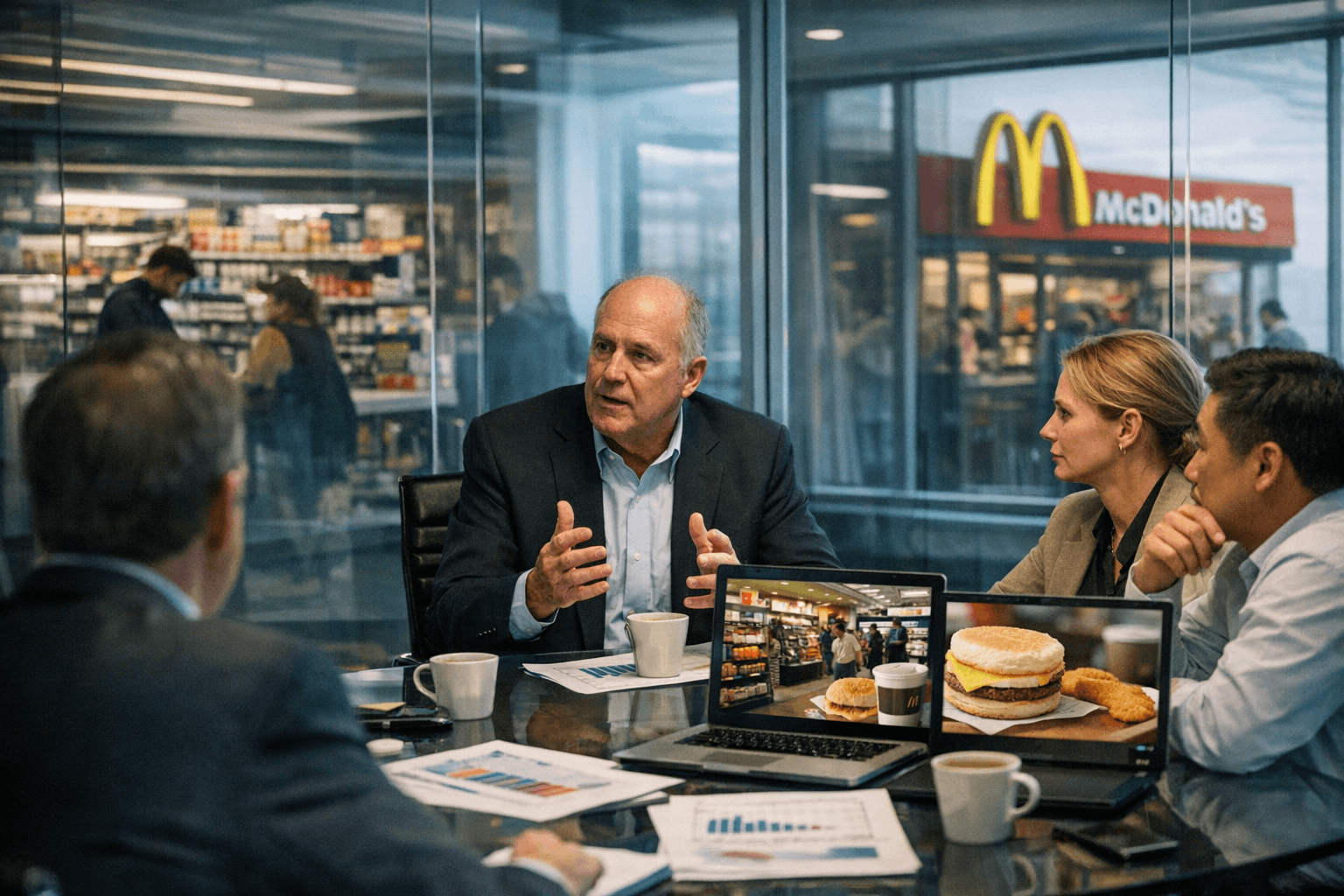
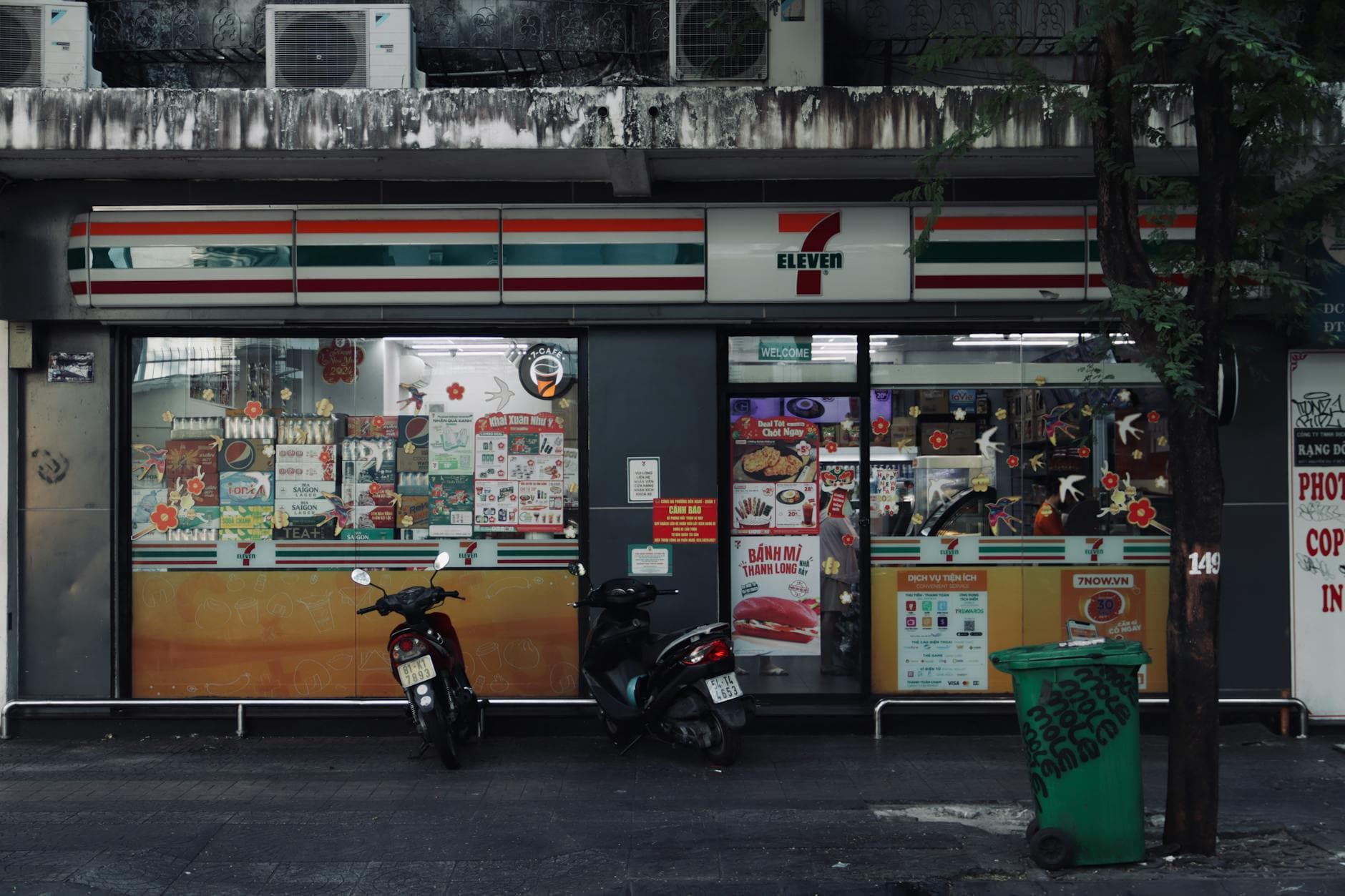
A convenience-store warning landed directly on McDonald’s breakfast and snack business: Yesway’s chief executive said c-stores were stealing customers from fast food. That was more than a market sound bite. It pointed to a broader fight for the same guest who wants coffee, a breakfast sandwich, a snack or a quick lunch with as little friction as possible.
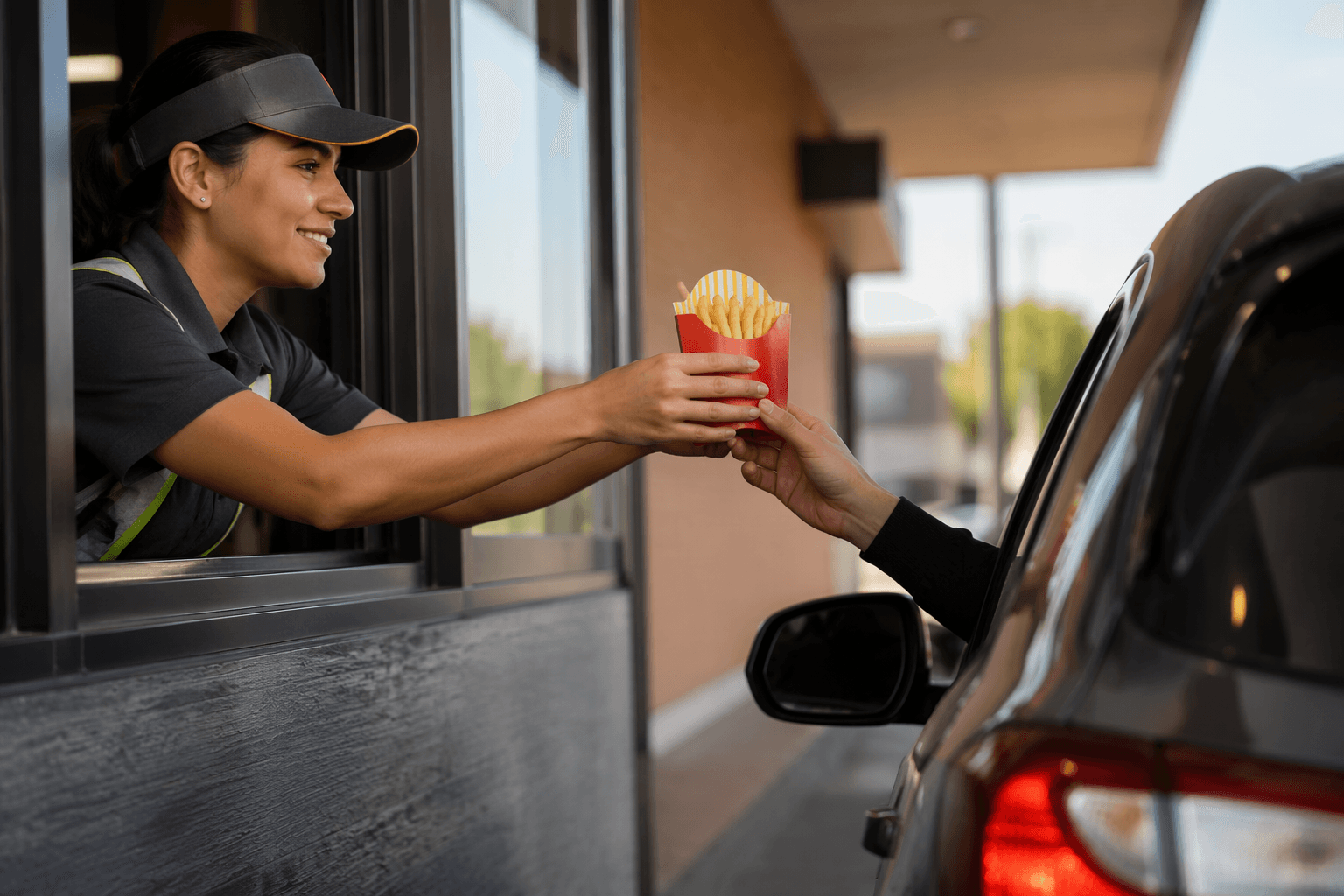
For McDonald’s crews and shift leaders, that pressure showed up in the parts of the day that are already hardest to keep steady. Managers could lean harder on beverage bundles, watch the breakfast window more closely and put even more emphasis on drive-thru speed and order accuracy. When a nearby convenience store can sell a coffee or snack with less waiting, every delay at the McDonald’s counter or speaker box becomes more expensive.
The threat also went beyond direct competitors like Burger King or Wendy’s. McDonald’s was competing against any nearby stop that could grab a meal occasion before the customer got back on the road. That mattered most in breakfast, snack and late-night traffic, where convenience often beat menu variety. It also put more pressure on lunch, especially the quick-service customers who may have once defaulted to a familiar McDonald’s run without comparing options.
On the corporate side, the response usually came back to the same levers: value, speed and consistency. Those are not abstract branding words for restaurant workers. They translate into tighter labor planning by daypart, more scrutiny on service times and more pressure to keep attachment selling moving, whether that means drinks, coffee or a side item tacked onto the order. In franchise stores, that can collide with staffing limits and thin margins, especially when owners are asked to deliver faster service without much room to add labor.
The competitive shift made one thing clear on the store floor. McDonald’s was no longer just defending burgers and fries. It was defending the simplest habit in food service: the fast stop that feels worth the money. When customers have more places to choose from, the pressure lands first on the people taking the orders, building the bags and trying to shave seconds off every transaction.
This article was produced by Prism’s automated news system from verified source data, official records, and press releases, then run through automated quality and moderation checks before publishing. The system is built and supervised by the people who set the standards it runs under. Read our full AI policy.
Did this article answer your question?