What it takes to move from crew to shift lead at McDonald's
At McDonald’s, moving up means proving you can read the rush, coach on the fly, and keep the whole store moving when pressure hits.
The real test is not station mastery
Moving from crew to shift lead at McDonald’s is usually less about being the best person on one station and more about being the person who can see the whole restaurant at once. In a store that has to juggle drive-thru, digital ordering, delivery, and walk-in traffic, the job changes from doing one task well to making sure every task keeps moving together.
That is why the biggest upgrade is not authority. It is judgment. A shift lead has to know which problem needs a fast fix and which one can wait, because the wrong call can back up the line, slow the kitchen, and throw off guest service for the whole shift.
What managers notice during the rush
The habits that separate a solid crew member from a likely shift-lead candidate are usually visible before anyone says the word promotion. Reliability matters because managers need to know who will show up, stay steady, and follow through without constant reminders. Clean handoffs matter because the next person in line should not have to guess what was done, what was missed, or what needs attention.
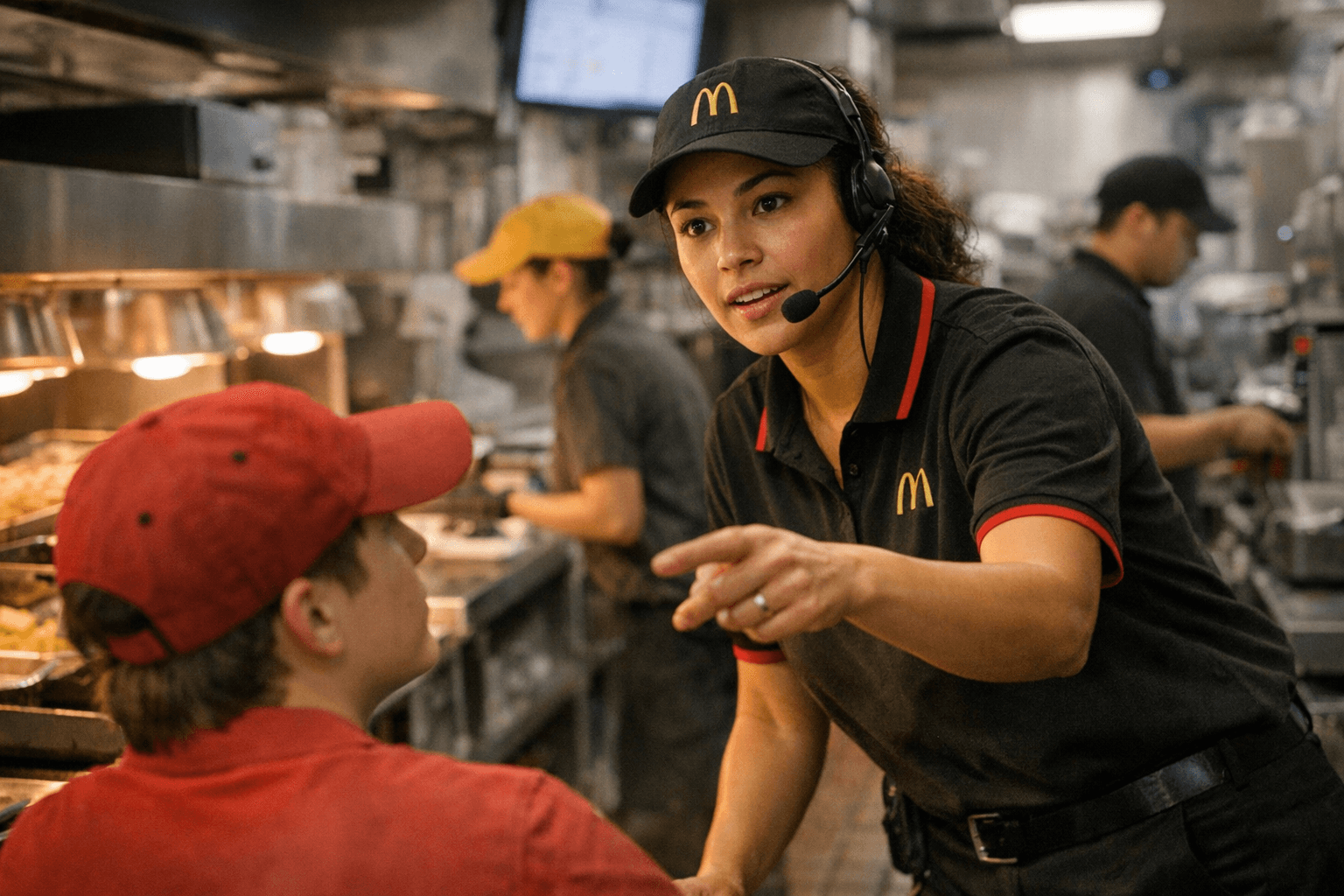
Strong communication matters just as much. A future shift lead has to be able to speak up early, keep the team informed, and help without being asked every minute. In a McDonald’s rush, that often means spotting a bottleneck before it spreads, then saying the right thing at the right moment so the line does not lose speed.
Why calm under pressure is a promotion skill
The best crew members are not the ones who never face problems. They are the ones who can keep their cool when the kitchen and the front counter are both under pressure. That matters because McDonald’s stores do not run on one simple flow anymore. They run on overlapping flows, and when one part slips, the others feel it fast.
A person who can switch stations without losing quality shows more than versatility. They show that they can absorb pressure without passing it on. That is the kind of behavior managers remember when the shift gets difficult and they need someone who can steady the room instead of adding to the noise.
How to make yourself easier to trust
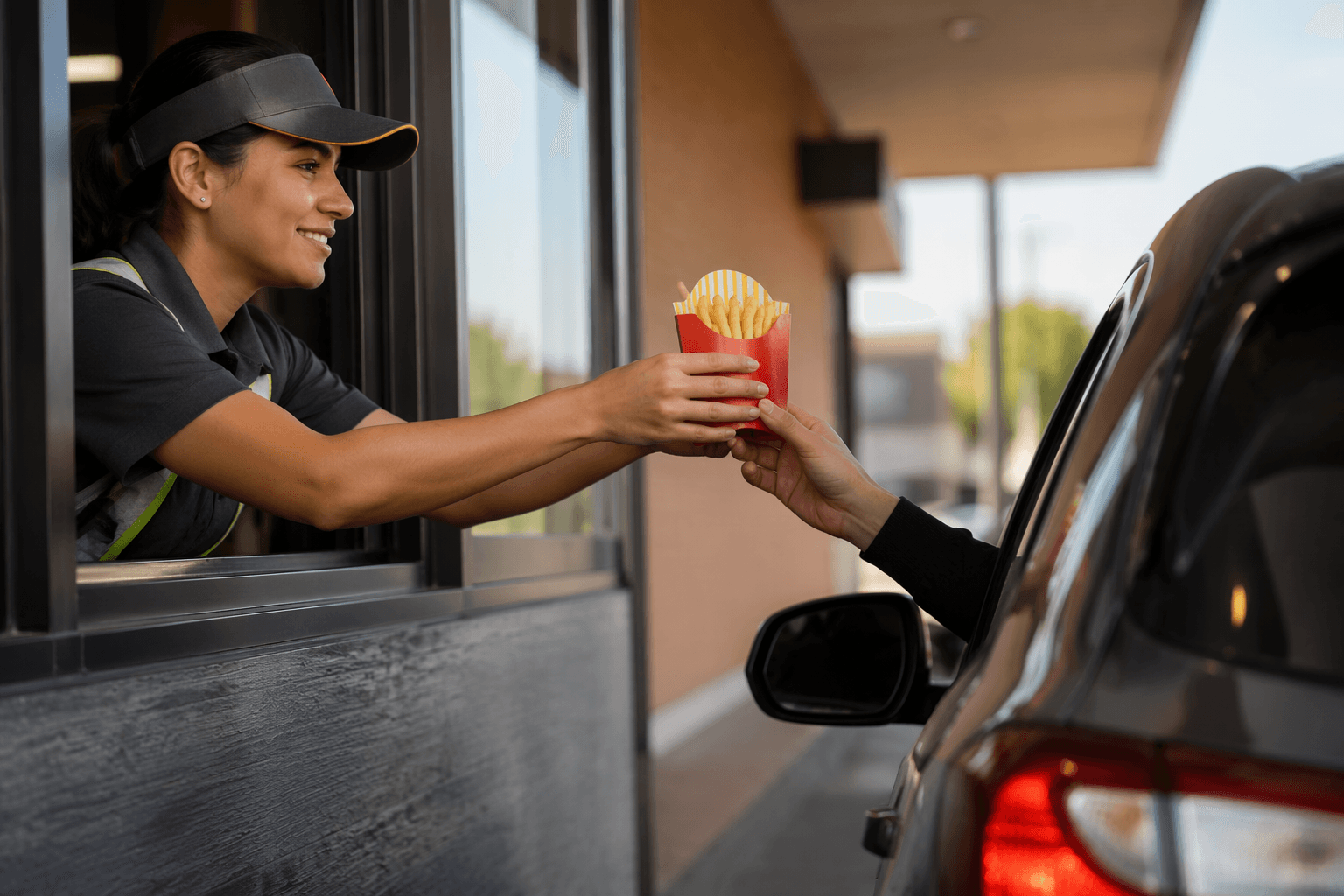
If you want the next step, the work starts with learning how your store actually runs. Know the busiest patterns, the common guest complaints, and the quickest ways to recover after an error. That kind of awareness tells management you are paying attention to more than your own screen, your own lane, or your own station.
It also helps to train newer teammates without losing focus on the rush. That is one of the clearest signs that someone is already thinking like a supervisor, because it shows you can teach, observe, and keep production moving at the same time. In practice, the person who can calm a new hire and keep the line accurate is often more valuable than the person who only works fast when nobody else needs help.
Why this matters more in a franchise-heavy system
McDonald’s is a franchise-heavy system, and that changes how promotion decisions are made on the ground. Local managers often need people they can trust to run a shift smoothly with limited oversight, which means consistency can matter more than flash. A crew member who makes everyone else faster, calmer, and more accurate becomes the obvious person to lean on.
That reality also explains why the path up can feel less formal than workers expect. In a company known for its scale, the store-level decision still often comes down to whether leadership believes you can hold the line when it gets busy. For managers, the question is not simply who works hard. It is who can be trusted to keep the restaurant stable when the pressure rises.
What the next step really looks like
For workers trying to move up, this is where the old language about “leadership” can get vague, and at McDonald’s it usually needs to be translated into concrete behavior. The person ready for shift lead is the one who notices what needs fixing, fixes what can be fixed, and brings other people along without slowing service. That is especially important in an era when digital ordering and automation handle more routine tasks, because the human value shifts toward coordination, judgment, and pace-setting.
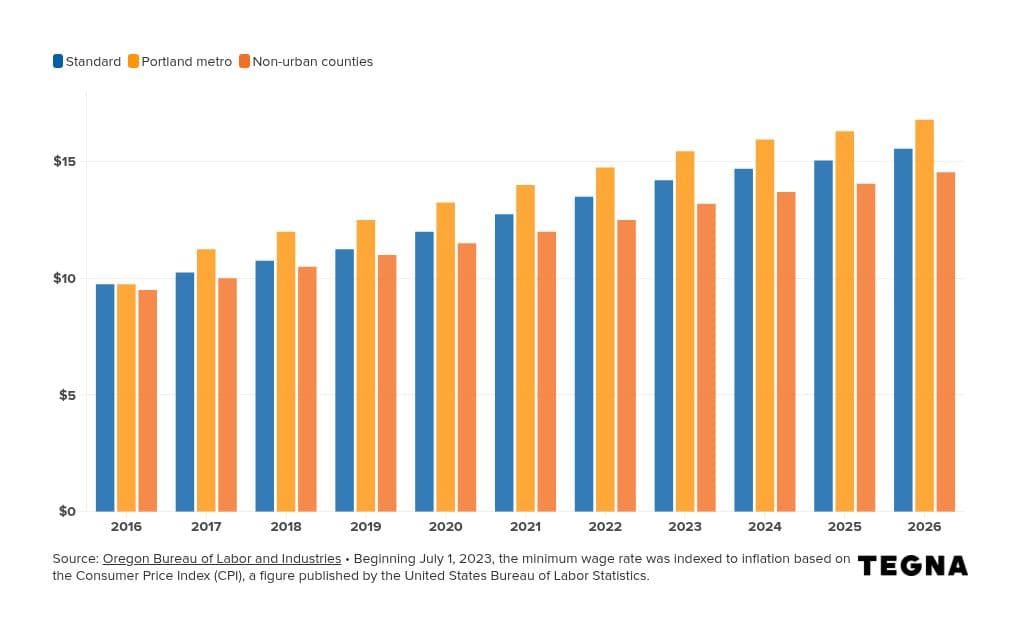
That also makes the promotion more than a title change. In the background is the broader fight over pay, staffing, and whether fast-food jobs can offer a real path forward, the same pressure that has fueled Fight for $15 and minimum wage legislation. For a crew member, moving into shift lead is often the first proof that the company is willing to reward not just labor, but responsibility.
The workers who make that leap are usually the ones who can handle the rush without drama, keep the whole store in view, and make the team around them stronger. In a McDonald’s restaurant, that is what promotion looks like before the paperwork catches up.
This article was produced by Prism’s automated news system from verified source data, official records, and press releases, then run through automated quality and moderation checks before publishing. The system is built and supervised by the people who set the standards it runs under. Read our full AI policy.
Did this article answer your question?