McDonald's global scale grows, but local operations still shape restaurants
McDonald’s scale gives workers a portable playbook, but the restaurant you walk into still runs on local menus, local rules, and local customer habits.
Scale sets the baseline, not the whole job
McDonald’s can feel the same from city to city because the system is built that way. The company says it has more than 38,000 locations in over 100 countries, while its homepage currently describes 44,000 locations and 68 million people fed daily. Its 2025 restaurant count reached 45,356, up from 43,477 in 2024 and 41,822 in 2023, a reminder that the chain is still expanding even as it gets harder to describe with one clean number.
That matters for workers because global scale creates a real advantage: a station skill, a speed habit, or a guest-service routine learned in one store can usually help in another. But scale also hides a lot of local variation. McDonald’s is large enough to be standardized and regional at the same time, and that is the reality crew members, shift managers, and franchise employees live with every day.
What travels well from store to store
The most portable part of McDonald’s work is the core operating discipline. Speed, accuracy, guest service, cleanliness, and teamwork are the basics that travel across markets. If you can keep a line moving without blowing up order accuracy, stay calm during a rush, and communicate clearly with a kitchen team under pressure, you already have the kind of foundation that transfers.
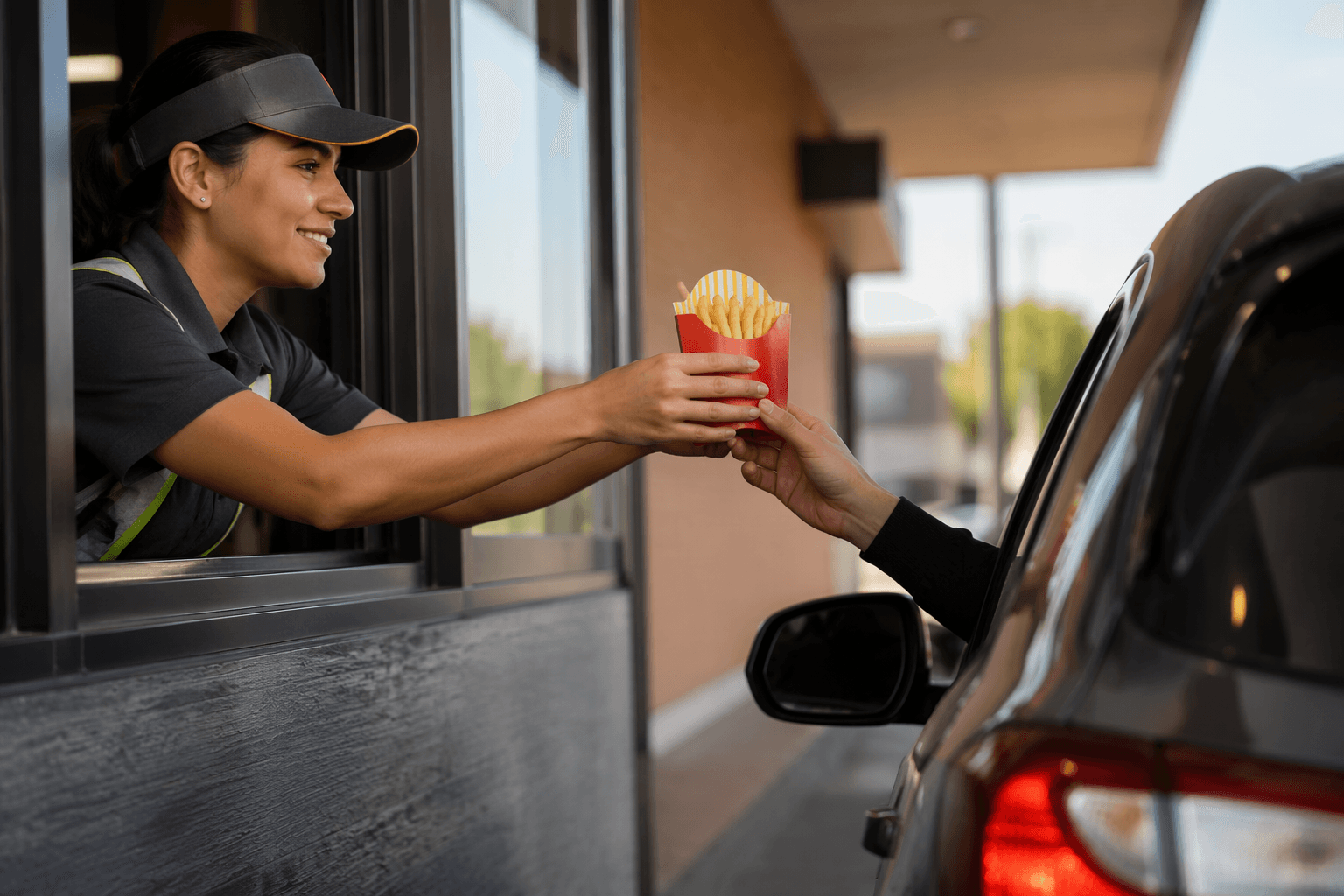
That is one reason the brand can be useful for workers trying to build a resume. A crew member who has learned to handle breakfast rushes, drive-thru timing, closing routines, or a front-counter surge at one location can bring those habits to another market and still be useful on day one. Even in a business where automation and AI are starting to change some tasks, those human skills still matter: speed without losing accuracy, and service without losing composure.
For workers who have moved through the McDonald’s system before, the best mindset is to treat each transfer as a reset on the details and a continuation of the fundamentals. The basics do not change much. The order in which they are enforced often does.
What changes is the restaurant around you
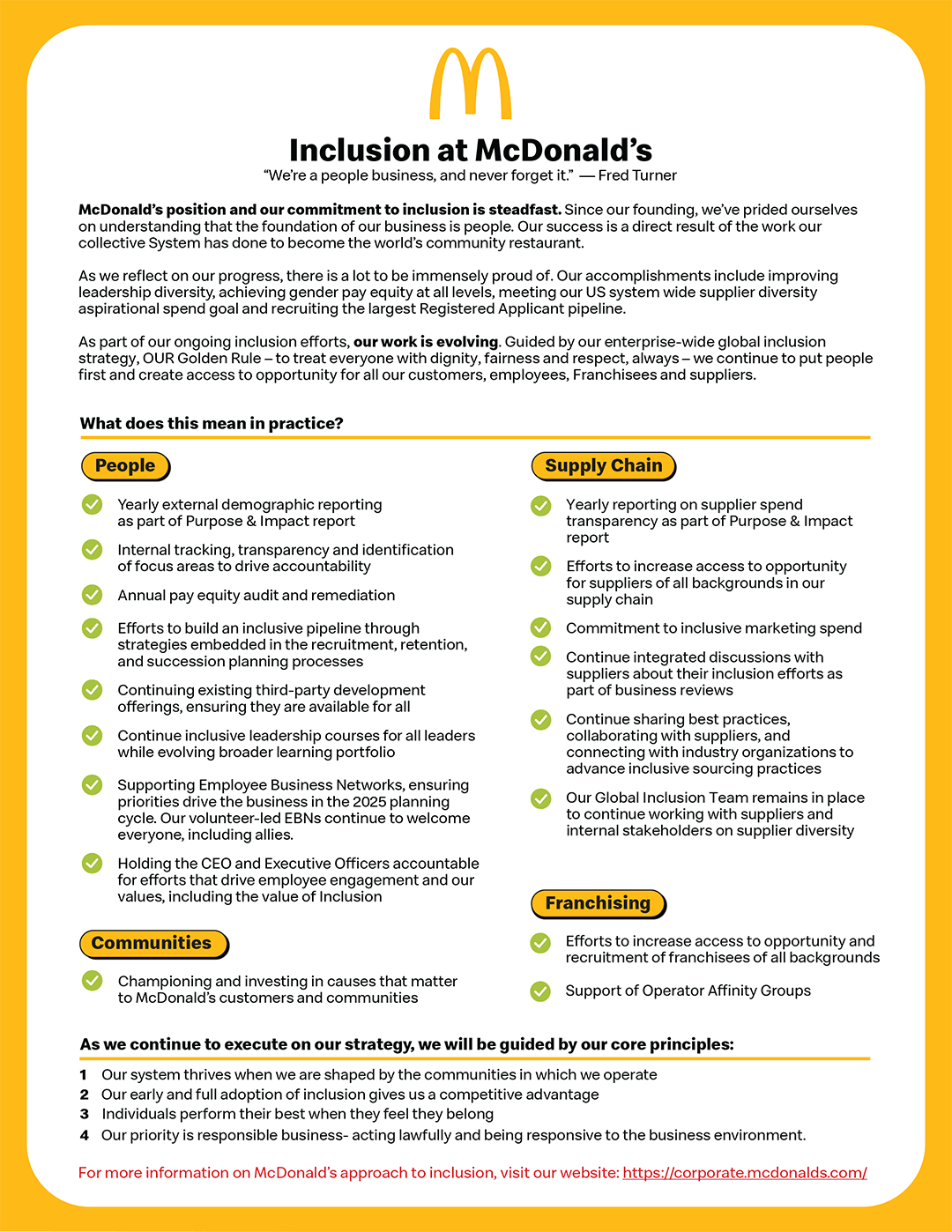
The exact execution is not portable in the same way. McDonald’s says markets and countries have latitude on menu, marketing, community involvement and local business management, and the company describes itself as “a global family of local businesses.” That is not a slogan for customers only. It is a warning label for employees who assume one store will run exactly like the last one.
McDonald’s Europe puts that idea plainly, saying local teams are empowered to adapt offerings to local tastes. France, Italy and Portugal are named as examples of that regional menu adaptation. So even if your station work feels familiar, the food flow, prep load, and customer expectations can still change a lot from one market to another.
For workers, that means the first lesson in a new restaurant is not “how does McDonald’s work?” It is “how does this McDonald’s work?” Learn the local menu before you assume the old station map still fits. Learn which items drive the rush before you assume breakfast, lunch, or late-night behaves the same way. And learn the local pace before you decide whether the store is fast, slow, understaffed, or simply organized differently.
Franchise structure shapes the day-to-day reality
McDonald’s scale is not just corporate scale. It is a system of ownership and operator layers that affects everything from scheduling to service standards. The company says the United States is its largest market and that almost 95% of U.S. restaurants are owned and operated by conventional licensees. It also says International Operated Markets are run alongside licensees who own and operate almost 90% of restaurants, while International Developmental Licensed Markets use local developmental licensees and sometimes sub-franchisees.
That structure explains a lot of workplace friction people feel inside the brand. Headquarters can push a standardized brand image, but local operators still decide how a lot of the work gets done. That tension is familiar to anyone who has watched corporate messaging collide with labor reality, whether the issue is staffing, scheduling, wage pressure, or the gap between a polished app experience and the person taking the order in front of you.
It also helps explain why McDonald’s can look uniform from the outside while feeling very different from one store to another. Two restaurants can have the same arches over the door and still have different labor patterns, different local labor-law constraints, different manager styles, and different levels of crew turnover.
Why the global model can help workers
A chain this large can create more room to move. There are more chances to learn new stations, move between high-volume and lower-volume locations, or build experience that makes sense well beyond one city. That is especially important in a company where the footprint is spread across the U.S., International Operated Markets, and International Developmental Licensed Markets, and where local operators still carry much of the day-to-day load.
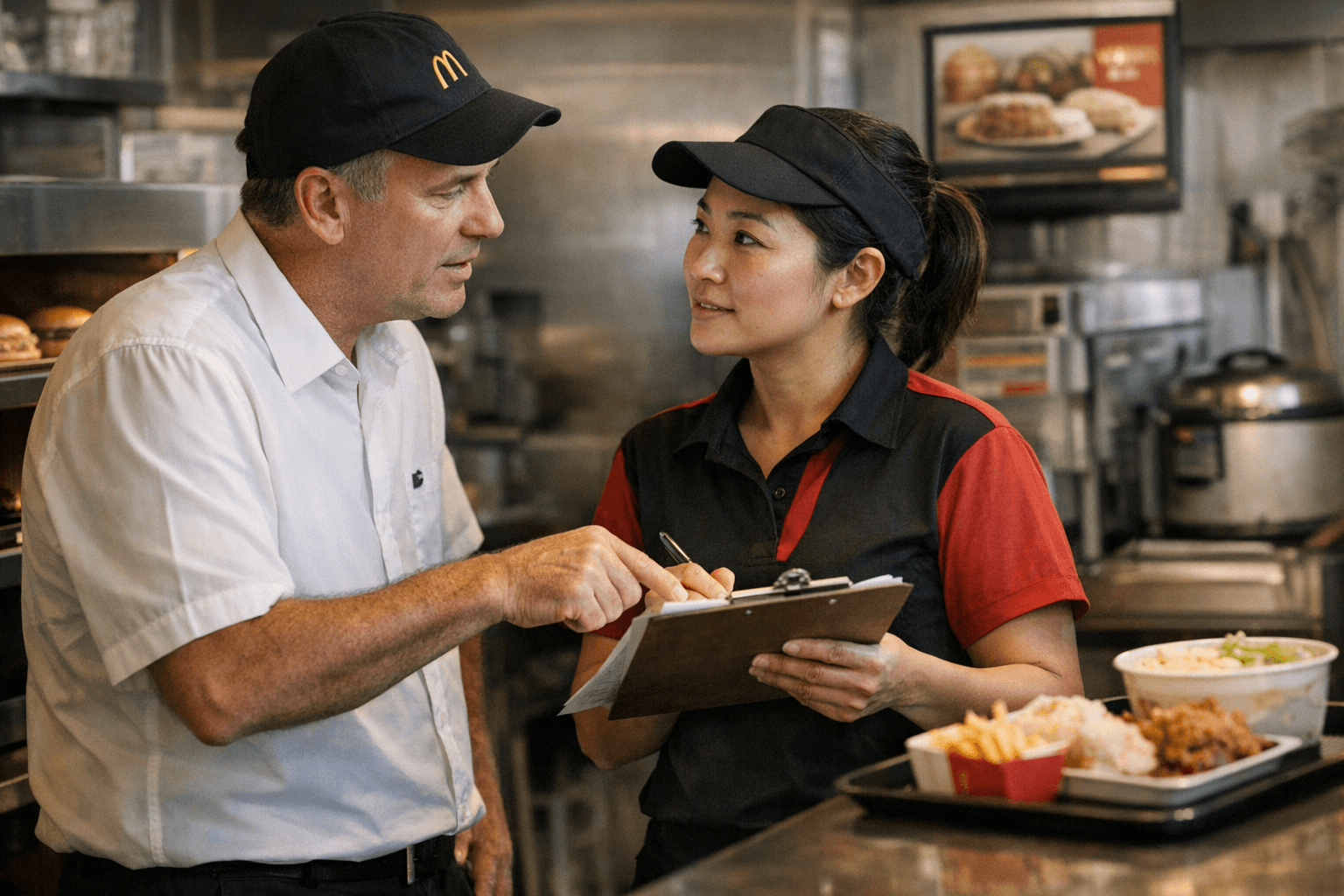
For workers trying to move up, that means the strongest path is not memorizing one store’s habits. It is building a reputation for consistency. If you can handle rush periods, train quickly, adjust to a different manager’s style, and keep guest-service standards intact while the menu or workflow changes, you become valuable in a system that depends on portable labor.
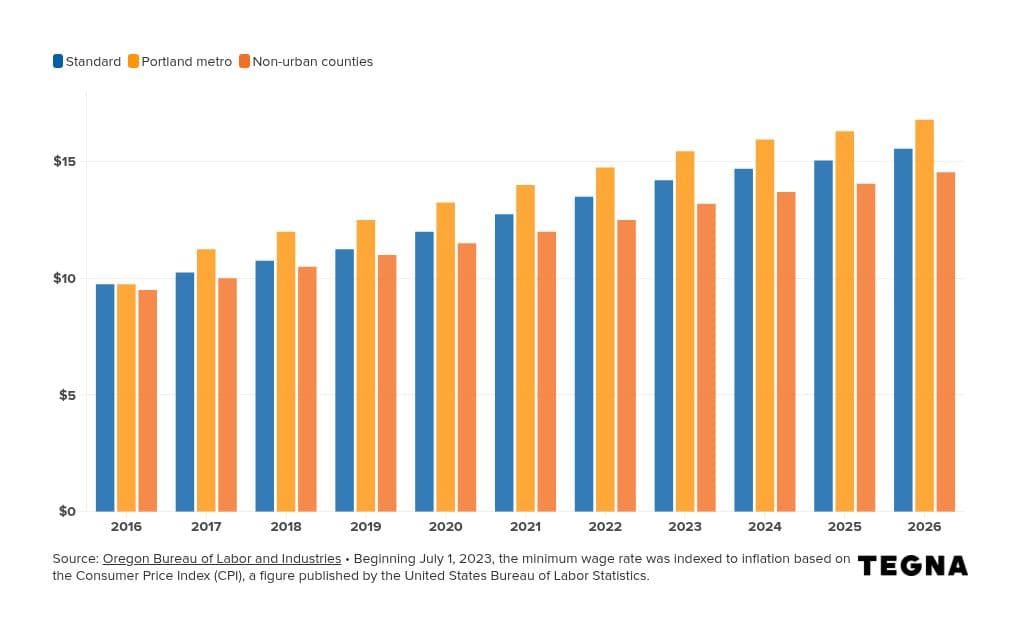
That portability matters in the broader labor picture too. McDonald’s has long been part of the Fight for $15 era, minimum wage debates, and the larger argument over whether fast-food jobs are stepping-stone work or durable careers. A company with this much reach can offer both opportunity and instability: more openings, but also more pressure, more standardization, and more room for labor disputes to spread across markets.
What to watch when you step into a new market
A move inside McDonald’s is less about learning a brand and more about learning a local version of the brand. The details worth checking first are usually the ones that create the biggest surprises on the floor.
- Menu differences: local items, regional promos, and country-specific preparation can change prep speed and station flow.
- Local rules: labor law, scheduling rules, and workplace expectations can be very different depending on the market.
- Customer patterns: some stores run on breakfast traffic, some on late-night demand, and some on local buying habits that shift the whole shift rhythm.
- Management style: a store under one licensee may run very differently from another, even inside the same country.
- Technology and automation: digital ordering and machine-assisted tasks may change what crew members do most, but they do not remove the need for judgment, speed, and guest handling.
The lesson for workers is simple: the brand is global, but the job is local. McDonald’s keeps expanding, with 45,356 restaurants at year-end 2025, yet the daily reality of the work still depends on who owns the store, what the market allows, and what the neighborhood orders. That is the real balance inside the arches.
This article was produced by Prism’s automated news system from verified source data, official records, and press releases, then run through automated quality and moderation checks before publishing. The system is built and supervised by the people who set the standards it runs under. Read our full AI policy.
Did this article answer your question?