DOL joint-employer proposal could reshape McDonald's franchise accountability
The Labor Department opened a 60-day clock that could make McDonald's corporate brand more exposed when franchise crews fight over pay, schedules, or conditions.
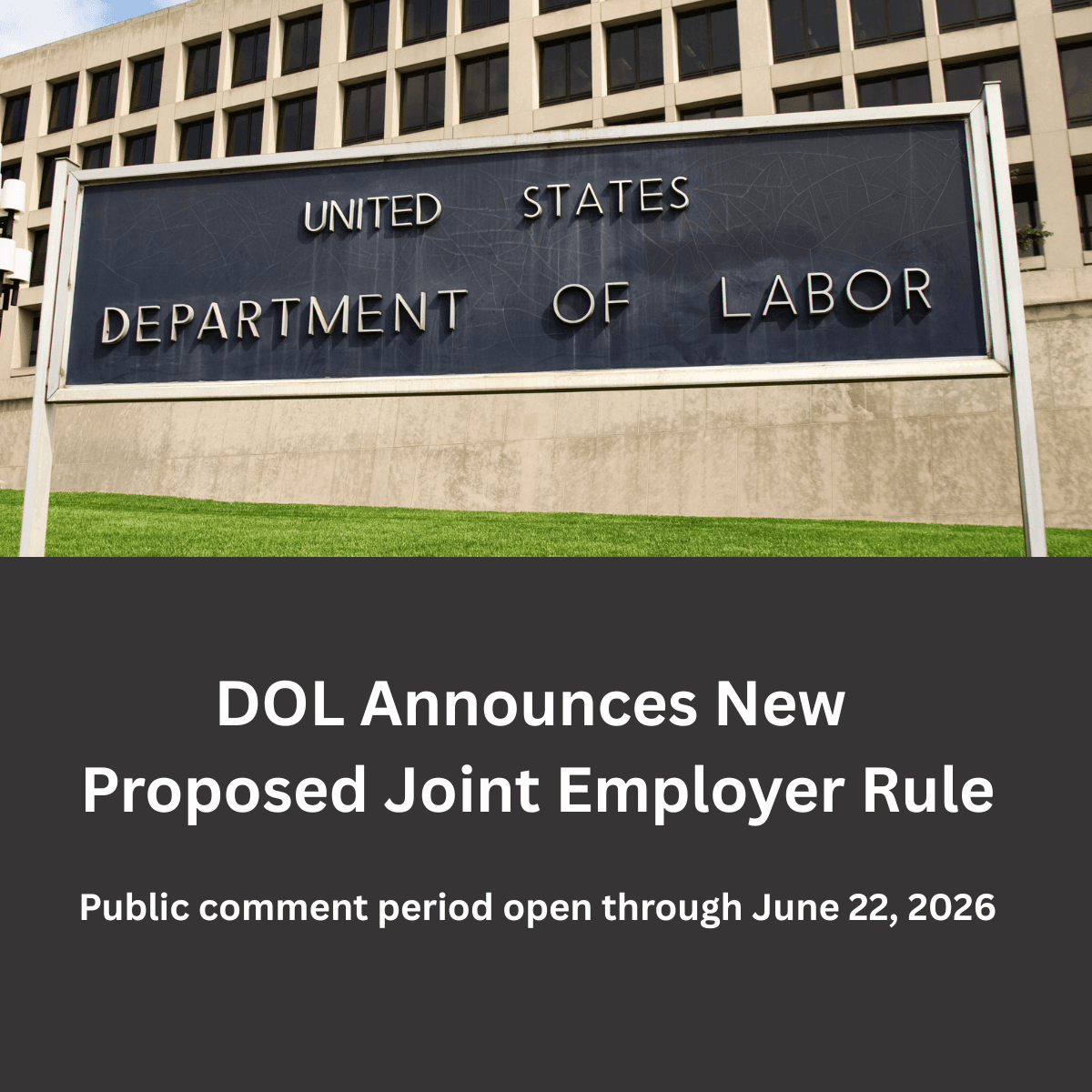
The Labor Department has put a new deadline on one of the biggest unresolved questions in the franchise system: when does McDonald’s corporate oversight become legal responsibility for what happens inside a restaurant run by a franchisee? The agency’s joint-employer proposal, announced April 22 and published in the Federal Register the next day, could make control over schedules, pay, supervision, and records far more important in wage-and-hour fights, and that would change the pressure points for both workers and operators.
The proposal would create one framework for joint employment under the Fair Labor Standards Act, then carry that same analysis into family leave and migrant worker rules. In vertical joint-employment cases, the department would look at whether a company hires or fires a worker, substantially supervises schedules or working conditions, determines pay, or keeps records. For McDonald’s restaurants, that matters because the brand relies on a mix of corporate standards, franchise independence, and local management. If the rule is tightened, disputes that now look like a local payroll issue could become questions about whether the larger brand shares responsibility.
Wage and Hour Division Administrator Andrew Rogers said the rule would provide “much-needed regulatory clarity.” The department said it has not offered regulatory guidance on joint employer status under the Fair Labor Standards Act since 2021, and it set a public comment deadline of 11:59 p.m. EDT on June 22, 2026. The proposal would revise 29 CFR part 791 for the FLSA and then modify the FMLA and MSPA regulations so the same approach applies across all three laws.
That broader reach is what makes this round different from the last few years of joint-employer chaos. The National Labor Relations Board adopted a broader standard in 2023, but its effective date was put on hold pending litigation, and the board later withdrew that rule in February 2026. The current NLRB framework still uses a case-by-case test for whether two employers share or codetermine essential terms and conditions of employment. The Labor Department is now trying to write its own rule into wage-and-hour law, family leave, and migrant worker protections at the same time.
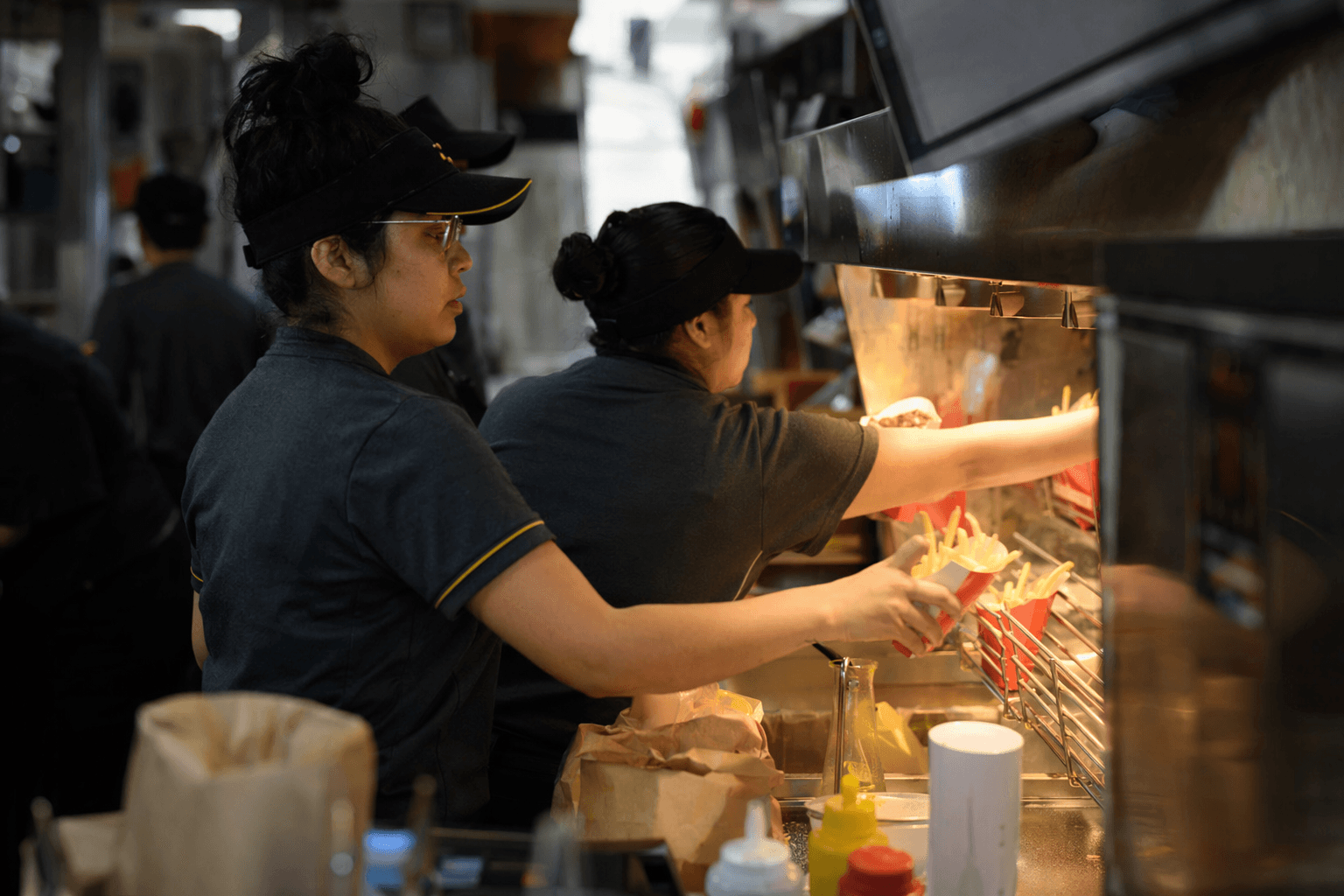
Franchise groups have warned for years that shifting standards create real operational risk. The International Franchise Association said the franchise model needs a stable joint-employer standard and has pushed the American Franchise Act. For McDonald’s franchisees, that translates into exposure over who sets the schedule, who handles records, and who gets named when a wage claim or labor dispute lands. For crew members, it raises a practical question that is bigger than any one restaurant: when a problem starts at the store level, how far up the chain of command does accountability now run?
This article was produced by Prism’s automated news system from verified source data, official records, and press releases, then run through automated quality and moderation checks before publishing. The system is built and supervised by the people who set the standards it runs under. Read our full AI policy.
Did this article answer your question?