McDonald's franchisee speeds hiring, trims labor pain with software
Leigh Chamness’s McDonald’s family cut hiring to about two days with software, showing how labor pressure is pushing operators to fix speed, scheduling, and workflow.
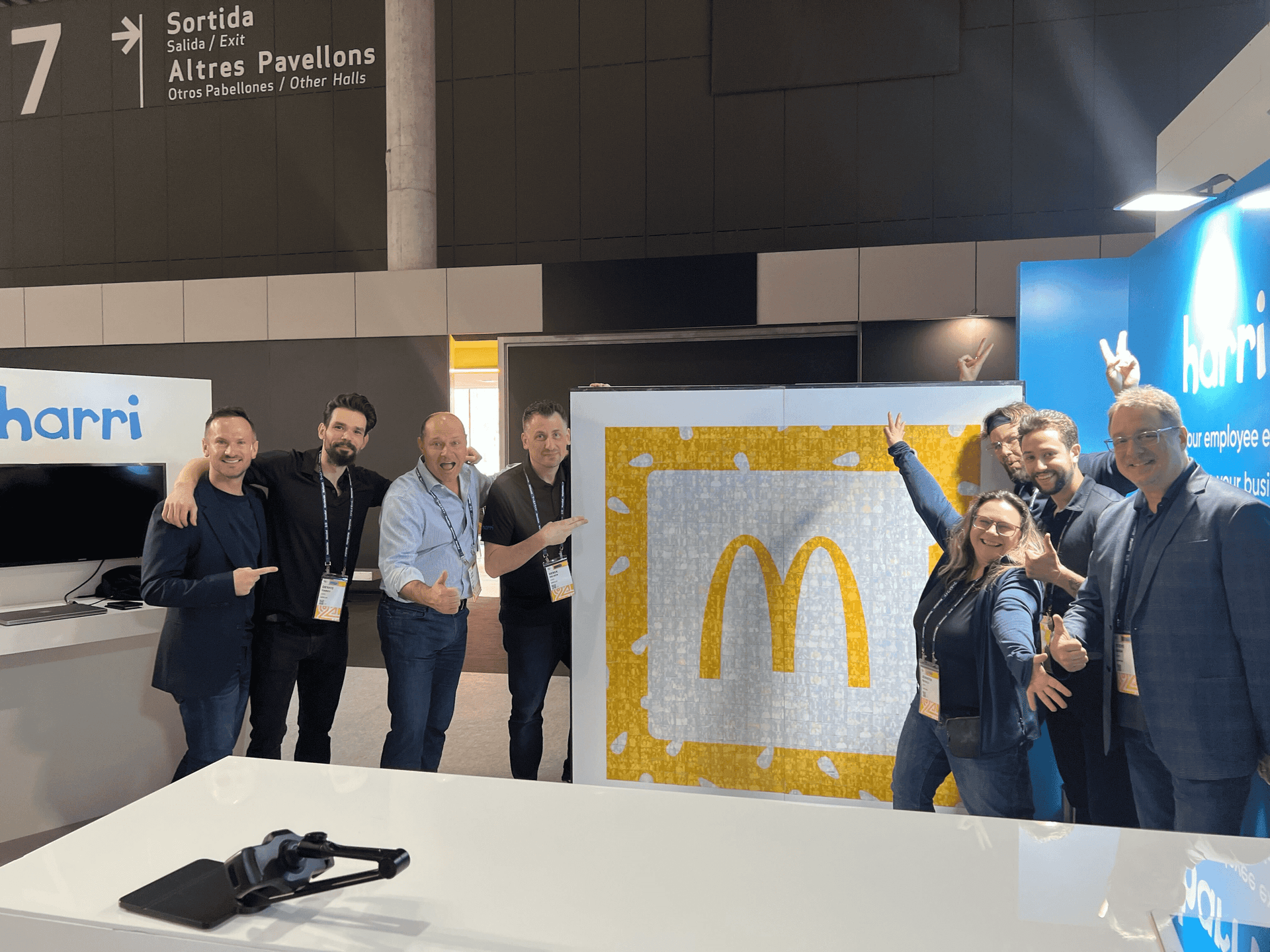
Leigh Chamness is treating labor like an operating system
Leigh Chamness’s McDonald’s family cut application-to-hire time to about two days after adopting software, and that speed matters in restaurants where a short-staffed lunch rush can unravel the whole day. The larger lesson is bigger than one franchise family: McDonald’s operators are being pushed to solve labor problems through systems, not just pay.
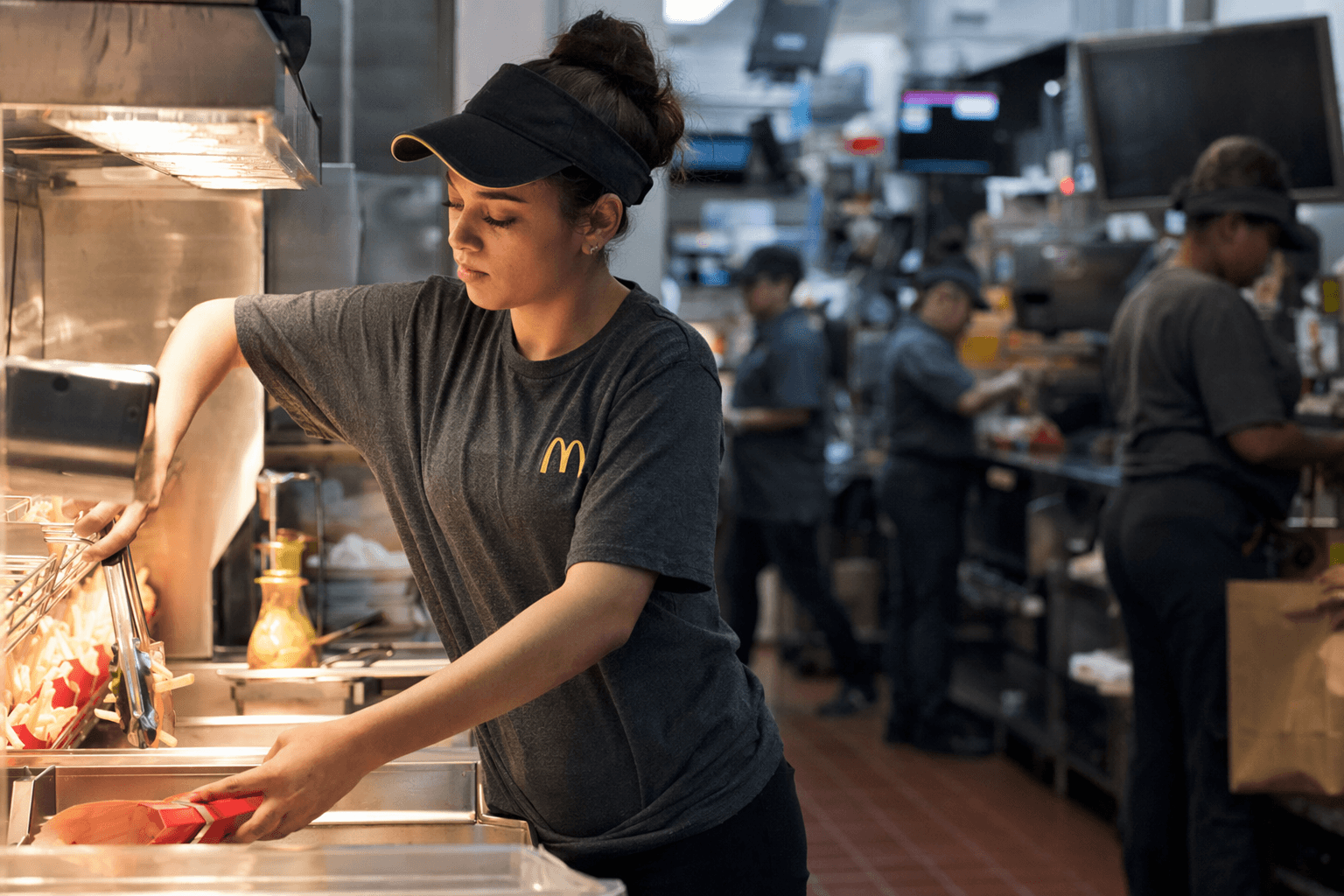
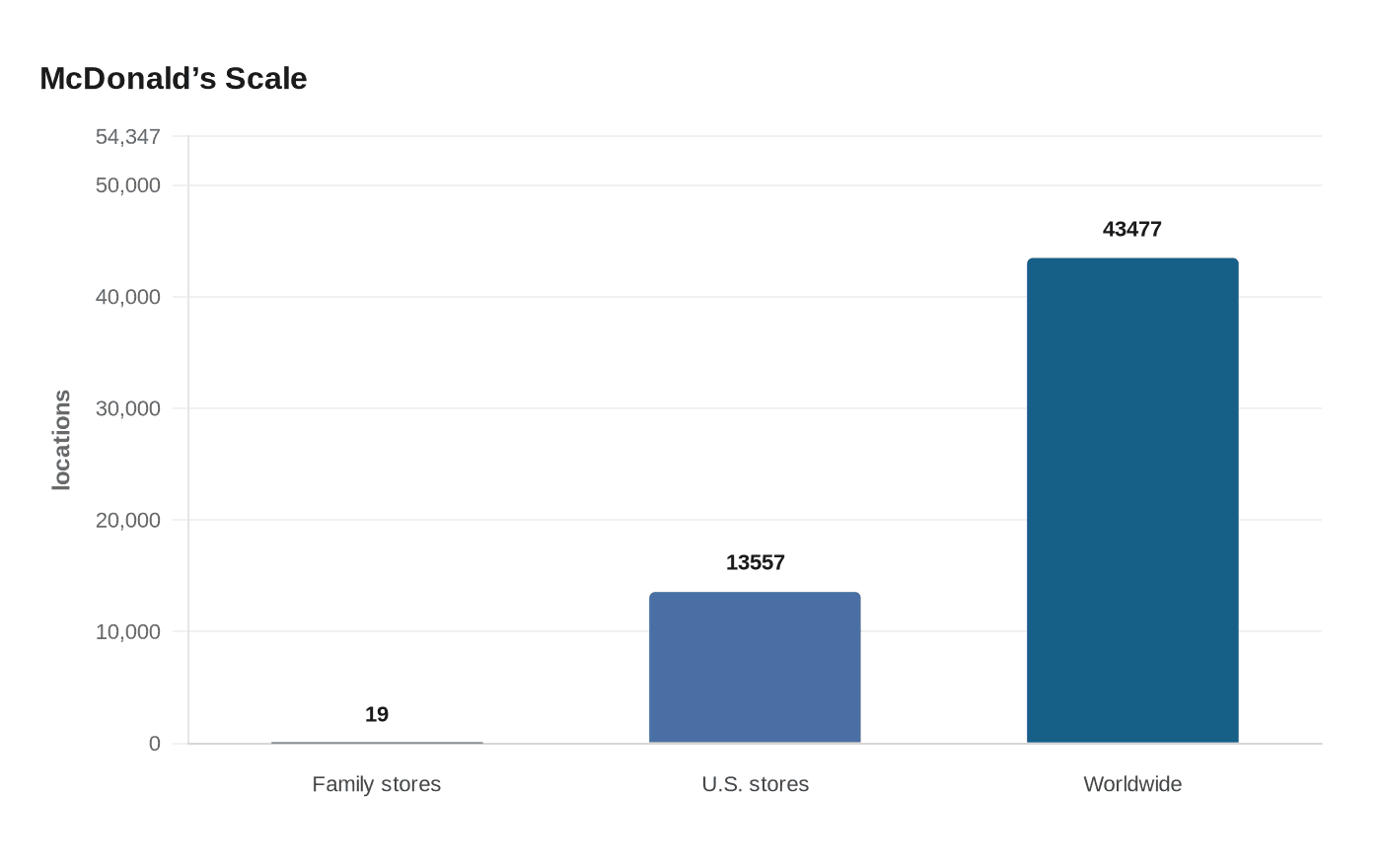
Chamness runs a family business with 19 McDonald’s locations, and some of those stores employ as many as 100 people. That scale makes staffing, training, and manager workload constant management problems, especially now that margins have tightened since the pandemic and operators are under pressure to simplify how restaurants run.
The hiring bottleneck has become a business risk
What changed in Chamness’s operation was not just the number of applications. After the software rollout, the family business saw five times as many applications, which gave managers a much larger pool to work from and cut the time from application to hire to roughly two days. In a high-turnover business, that kind of turnaround can decide whether a store is ready for the meal period or scrambling to cover a register and a fryer.
For crew members, faster hiring can mean stores fill open shifts sooner and new teammates are onboarded before the schedule starts breaking down. For managers, it means recruiting is no longer a side task handled between drive-thru tickets and shift handoffs. It becomes a process that has to be tracked, measured, and improved the same way a kitchen line or labor schedule is.
That shift reflects a bigger change in restaurants. The labor market is still difficult even after the panic of the pandemic era eased, and the National Restaurant Association said restaurant employment declined for the second time in three months in mid-2024. McDonald’s and its franchisees also planned to hire up to 375,000 workers in summer 2024, which shows how much headcount the system still needs just to keep restaurants running.
Why operators are leaning harder on systems
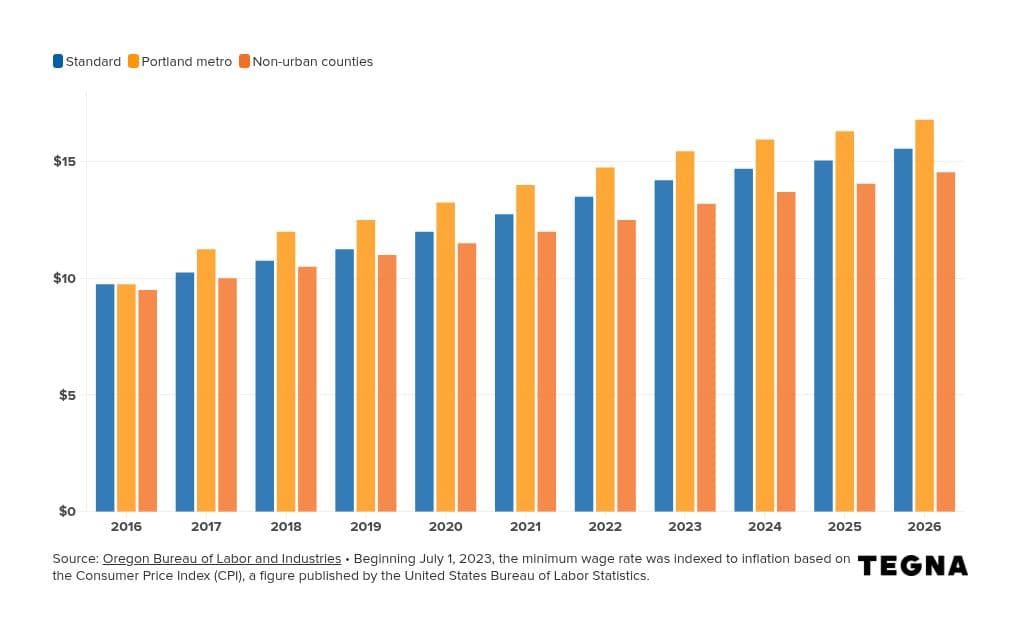
Chamness’s story is a reminder that the labor fight at McDonald’s is no longer only about hourly wages. The International Franchise Association’s 2024 Franchisor Survey said franchise businesses were prioritizing efficiency through technology rather than relying only on higher wages and benefits, and that pressure fits what operators are seeing on the ground: thinner margins, harder recruiting, and more demand for consistency.
That is why Chamness talks about making it easier to do the right thing than to do the wrong thing. In restaurant terms, that means simplifying processes so managers and crew are not forced to improvise every time a shift gets busy or a worker calls out. It also means automation and efficiency are no longer side conversations. They are core questions for operators trying to survive with less friction and more control.
The practical effect is that hiring, onboarding, and scheduling are becoming more data-driven. Instead of treating labor as a single wage decision, the strongest operators are looking at the whole journey from application to training to retention. For employees, that can feel like a more organized workplace. For managers, it can mean fewer fires to put out and fewer decisions made on instinct alone.
What this says about the McDonald’s franchise model
McDonald’s own structure makes these decisions especially important. The company says franchisees are the sole and exclusive employers of employees at franchised restaurants, and about 95% of the chain’s restaurants were franchised at year-end 2024. McDonald’s reported 43,477 systemwide restaurants worldwide at year-end 2024, including 13,557 in the United States, so changes at the franchise level affect a huge share of the chain’s workforce.
That also explains why labor practices can vary so much from store to store. Corporate may set broad expectations, but the operator often decides how to recruit, schedule, train, and retain workers. That tension between corporate scale and franchise control has long shaped McDonald’s labor story, and it matters now more than ever because the restaurants doing the best work may be the ones that can move fastest on local staffing decisions.
The chain’s hiring pages still point applicants to the local restaurant or franchisee, which reinforces the reality that the front line of labor management sits with operators. That structure gives franchisees flexibility, but it also leaves them carrying the burden when labor gets tight, turnover rises, or a store needs a better system to keep shifts covered.
Chamness’s career shows how operator expertise is being built
Chamness is not speaking about labor as an outsider. Harri said she was part of McDonald’s MTech board and an early deployment group for new workforce-management systems, which puts her inside the company’s broader push toward better labor tools. That matters because it suggests the software she is using is not a novelty tacked onto the business. It is part of how McDonald’s operators are expected to run modern restaurants.
Her family history also helps explain why she sees the business this way. A 2026 profile said her parents, Dan and Pam Ison, acquired a McDonald’s restaurant in Cincinnati in 1994. QSR said her mother was the administrative assistant to three brand presidents and her father led franchising across the Southeast, buying and selling stores. Chamness herself worked in nearly every role growing up before taking over the family restaurant business.
That background matters for workers because it shows how McDonald’s labor strategy is being shaped by people who know the floor as well as the books. Operators like Chamness have lived through the older model, when labor was mostly about finding bodies to fill slots. The newer model is more demanding: keep applications moving, get people trained faster, reduce mistakes, and make the schedule flexible enough to hold onto staff.
What workers should take from this shift
The biggest takeaway is that the old labor model is under strain. McDonald’s operators are still dealing with wage pressure and the legacy of Fight for $15, but the center of gravity has shifted toward systems that improve speed and retention. Better software, better workflow, and better training are becoming competitive necessities, not optional upgrades.
For crew members, that can mean faster answers on whether a job is real, faster onboarding, and a better chance that a store is staffed well enough to avoid constant chaos. For managers, it means the job is less about fighting the same staffing fires every week and more about building a process that can absorb turnover without collapsing.
Chamness’s experience shows where the chain is headed: not away from labor pain, but toward a more disciplined way of managing it. In McDonald’s restaurants, the winners are increasingly the operators who can make hiring faster, schedules smarter, and daily work easier to execute.
This article was produced by Prism’s automated news system from verified source data, official records, and press releases, then run through automated quality and moderation checks before publishing. The system is built and supervised by the people who set the standards it runs under. Read our full AI policy.
Did this article answer your question?